
Last updated November 15, 2026
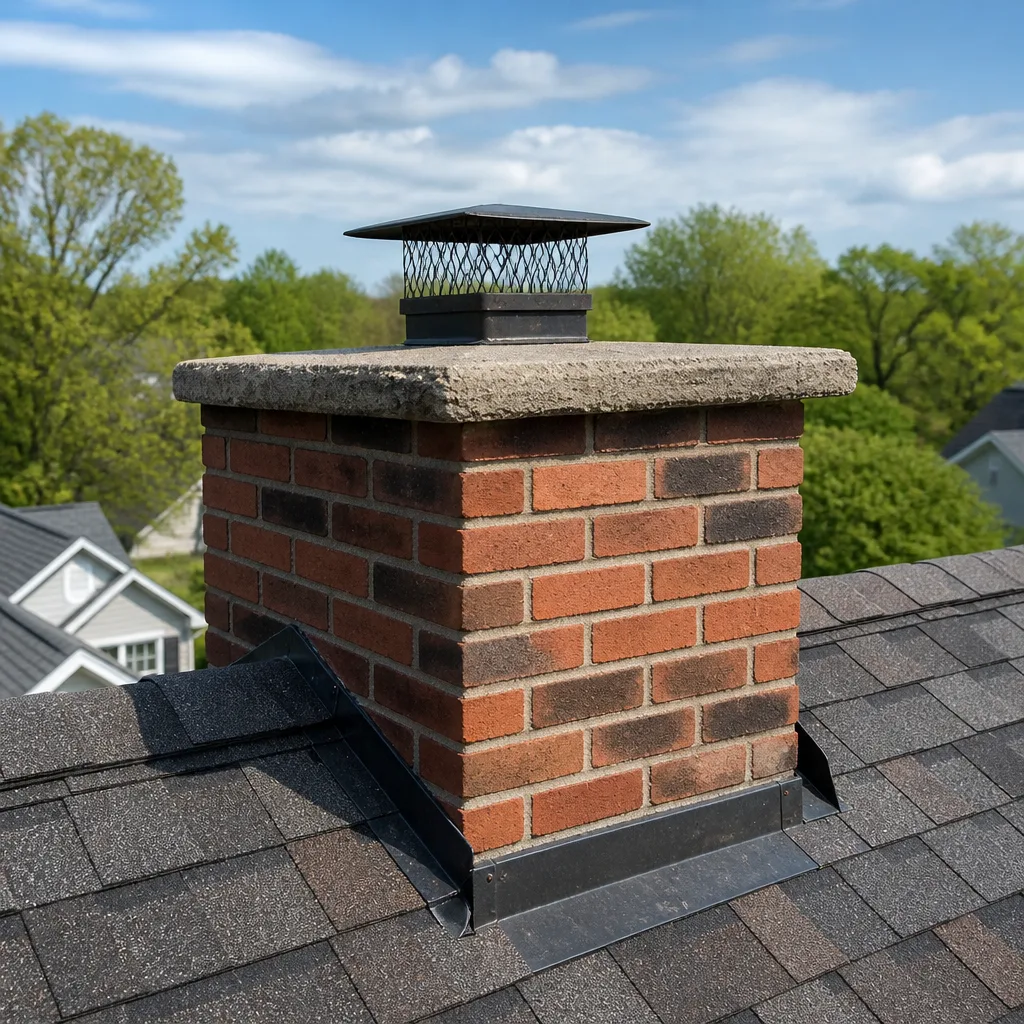 Sweep & inspection
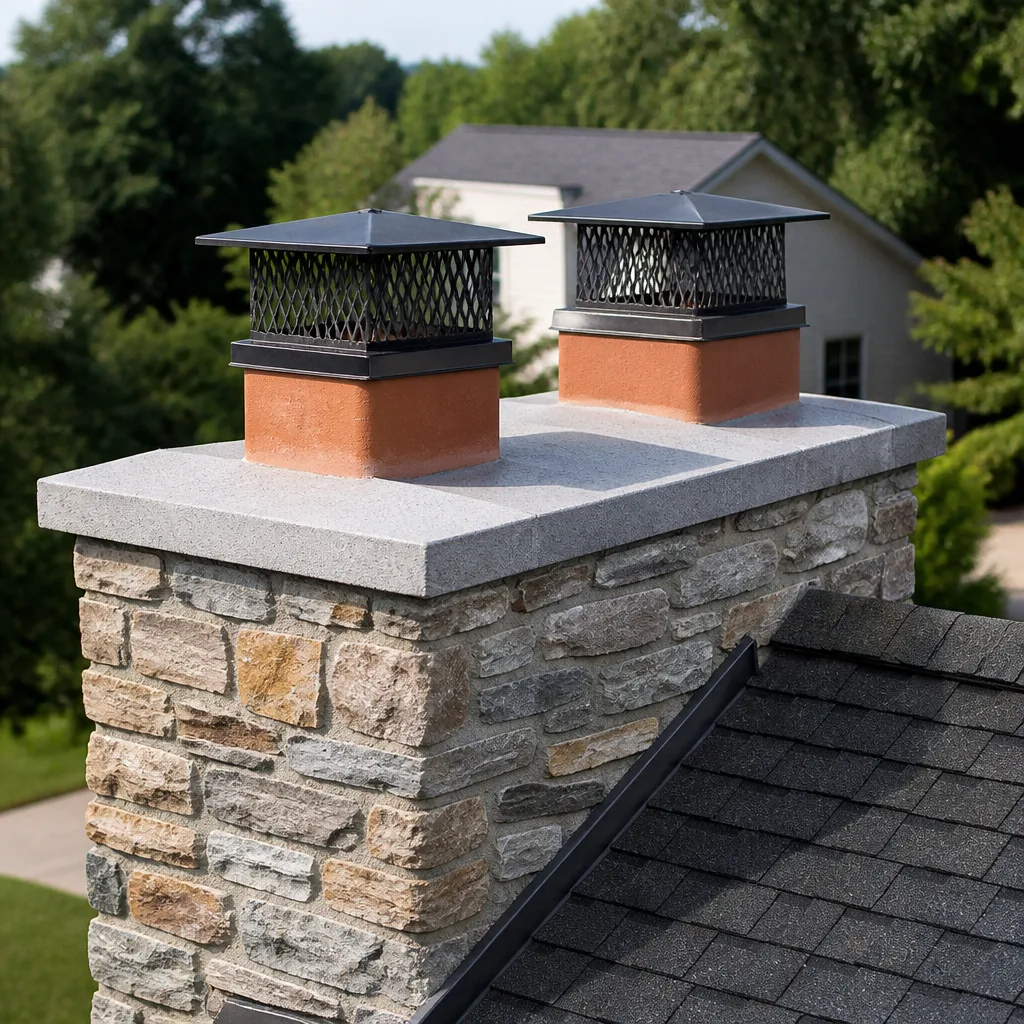 Caps & crowns
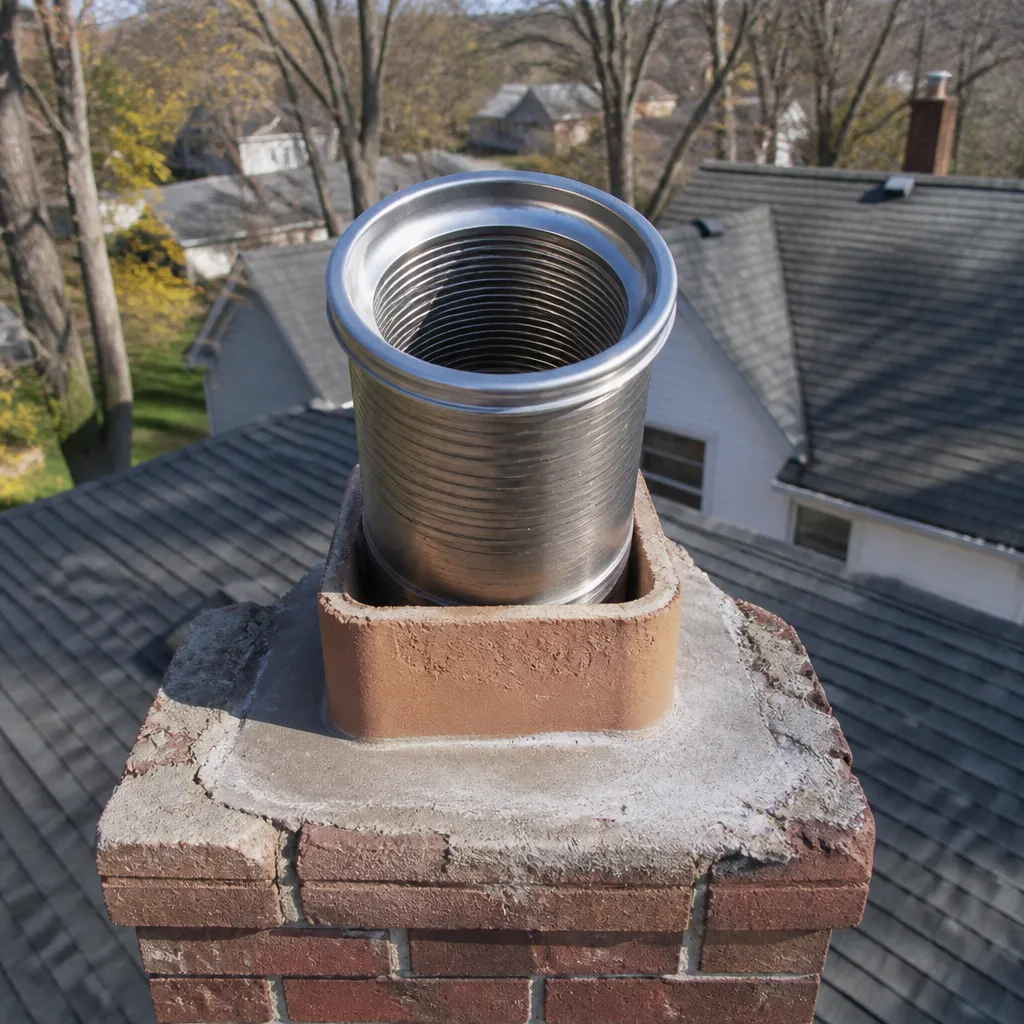 Flue relining
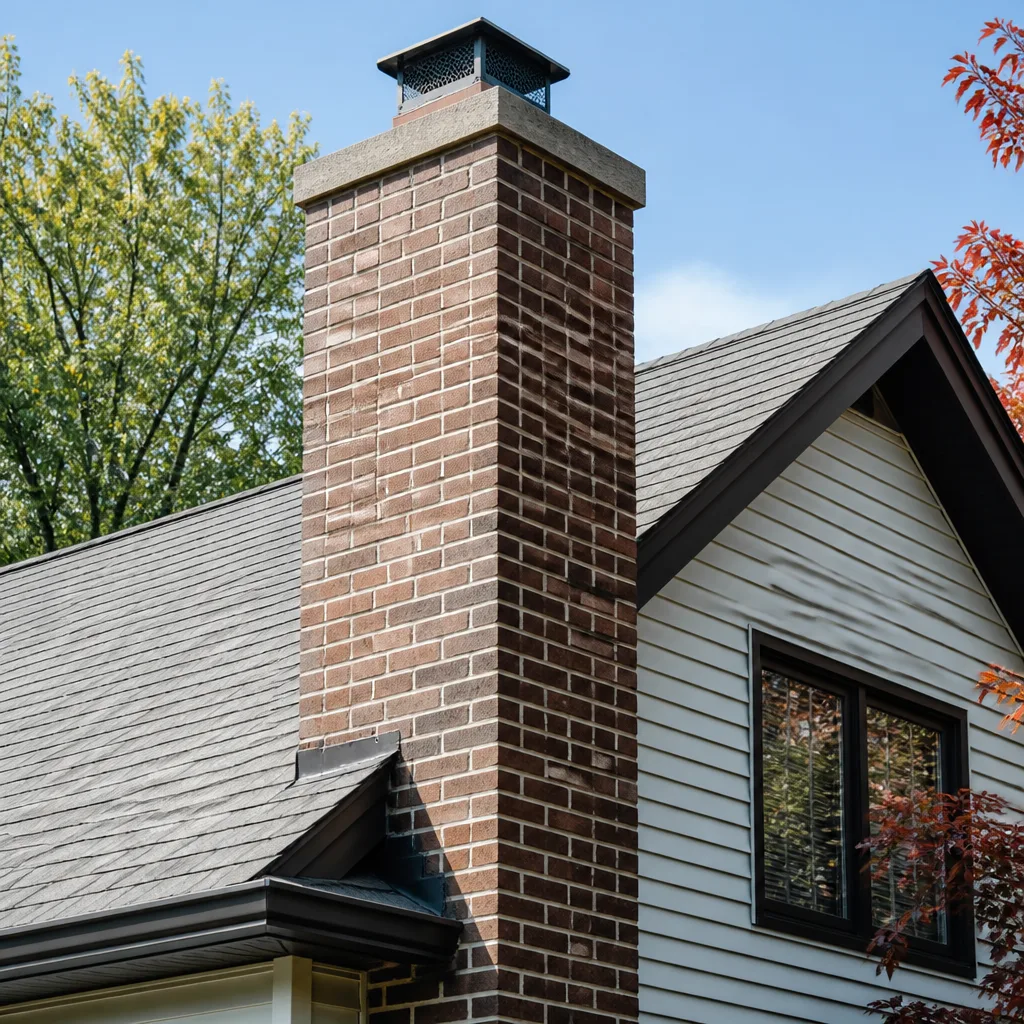 Masonry repair
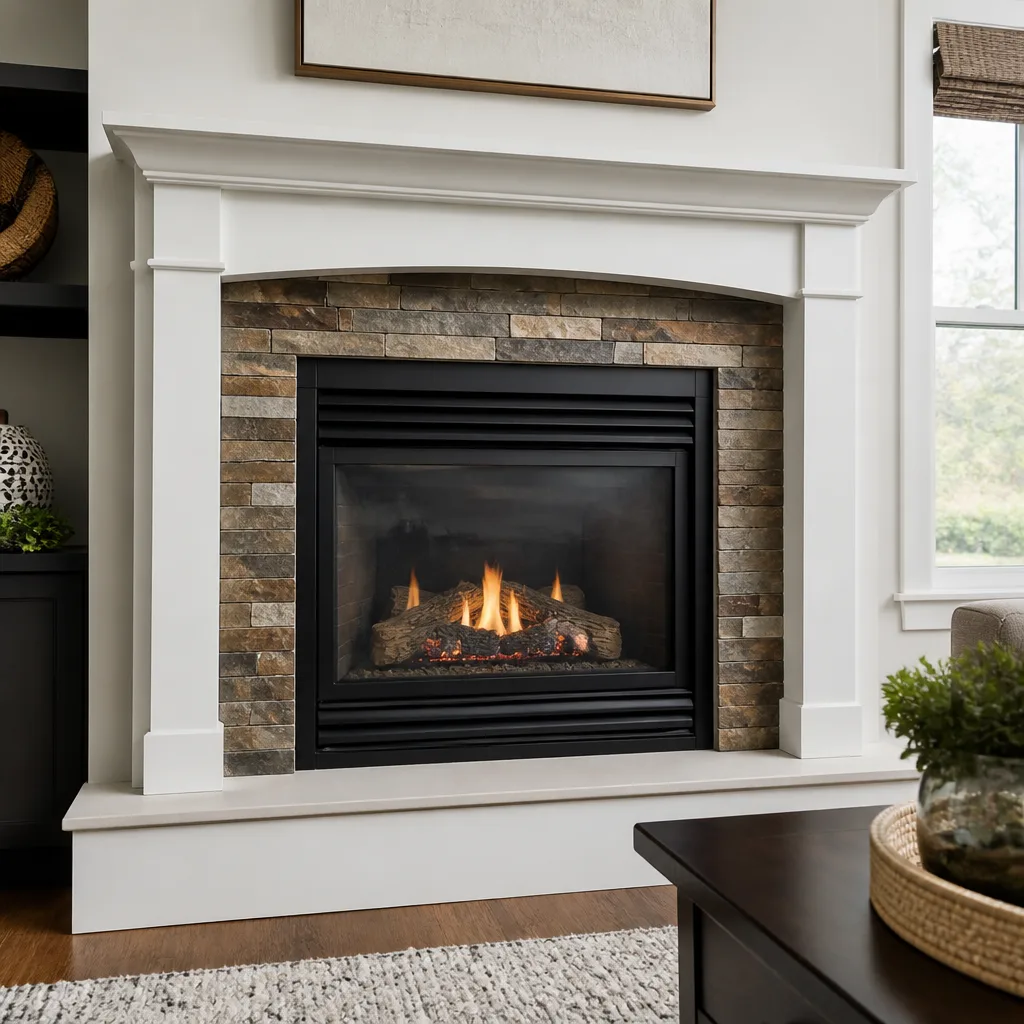 Gas fireplace service
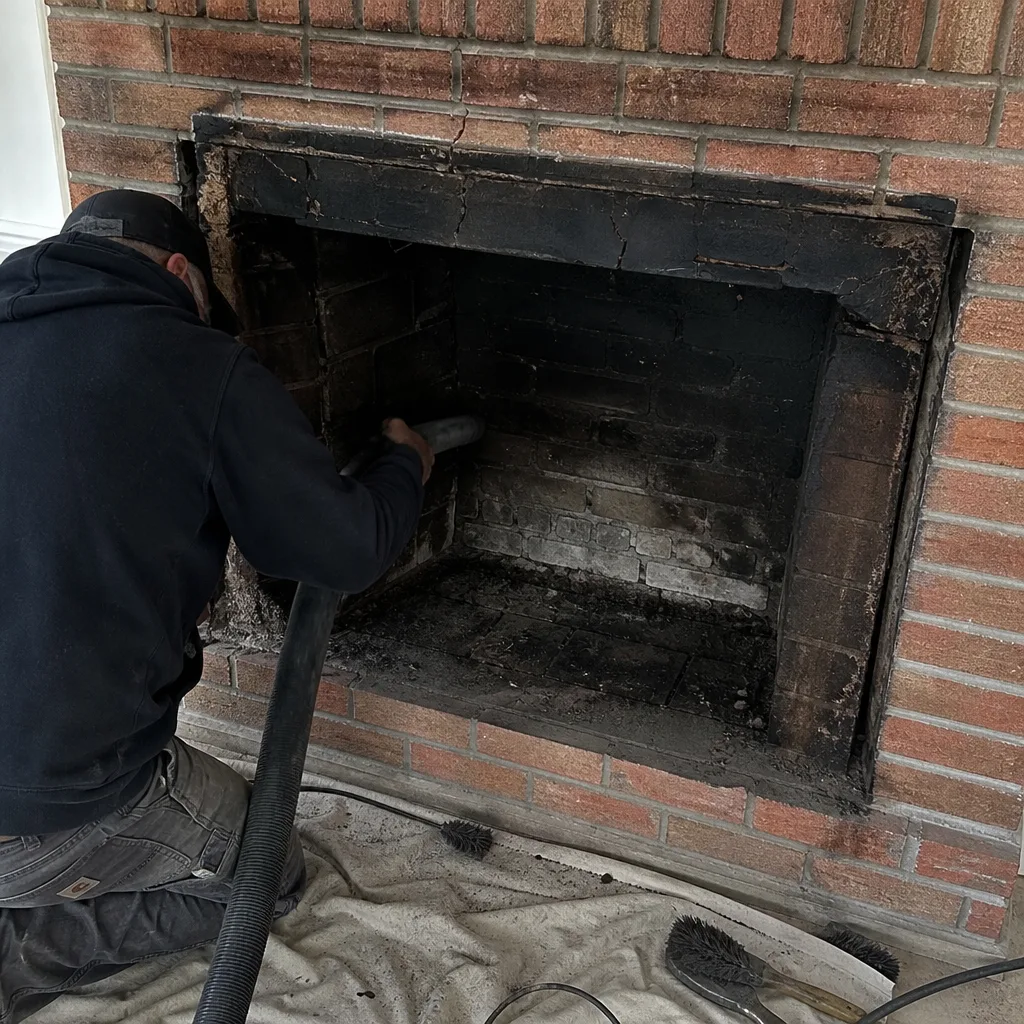
Level 1 sweep and inspection to the NFPA 211 annual standard - flue, crown, cap, and flashing checked and photographed
Chimney sweep logs do not sweep chimneys. They loosen some creosote - which then falls where a brush and vacuum still have to collect it.
Seasonal Chimney Cleaning Care for Spokane Valley: Year-Round Homeowner’s Guide
Most homeowners here think about the chimney twice: once when the first cold snap hits and once when they notice a stain on the ceiling. That timing is backwards. The most expensive chimney damage we see in Spokane Valley doesn’t start during burning season, it starts in April, when snowmelt works its way into mortar joints that froze and cracked over the winter. By the time you notice a draft or an odor the following November, that quiet spring moisture has had seven months to widen a hairline crack into a path for creosote and carbon monoxide. This guide breaks the year into four distinct risk windows and gives you specific tasks and things to watch for in each one, so you’re acting ahead of the damage instead of paying to reverse it.
Quick Answer
Seasonal chimney care in Spokane Valley means inspecting for freeze-thaw damage in spring, scheduling liner inspections and waterproofing in summer, sweeping before first use in fall, and monitoring draft and odor through winter. Because heating season here runs six to seven months, the maintenance calendar is compressed, and work pushed into October lands in the busiest scheduling window of the year. A sweep booked in late summer and an inspection done in spring keeps the whole system ahead of the weather.
Styles & brands we work with
- Sweep & inspection
- Caps & crowns
- Flue relining
- Masonry repair
- Gas fireplace service
Table of Contents
- Why Spokane Valley’s Climate Compresses the Chimney Calendar
- Spring: The Freeze-Thaw Damage Window
- Summer: The Repair and Inspection Season
- Fall: Sweep Timing and Creosote Staging
- Winter: Operational Monitoring
- The Four-Season Maintenance Checklist
- Common Mistakes to Avoid
- When to Call a Professional
Why Spokane Valley’s Climate Compresses the Chimney Calendar
Spokane Valley sits in a valley basin east of Spokane, and that geography shapes chimney conditions in ways a homeowner coming from a milder Pacific Northwest city won’t expect. Heating season here often stretches six to seven months, which means your flue accumulates creosote and condensation over a much longer stretch than a coastal Washington home where the furnace runs a few months and the fireplace sits idle. More burning hours per year means more deposits per year, and it means less downtime to clean them out.
The bigger factor is the temperature swing. Spokane Valley’s winters bring hard freezes, and its shoulder seasons bring repeated thaw-and-refreeze cycles. Masonry is porous, and any moisture that soaks into a brick or a mortar joint expands when it freezes. That expansion is what spalls brick faces and opens mortar joints. The crack that forms during a February thaw is the same crack that lets creosote-tainted smoke reach combustible framing months later.
What that means practically is that the seasons don’t divide neatly into “burning” and “not burning.” Each season hands the chimney a different job:
- Spring is the damage-assessment season. Freeze-thaw has done its work; now you look at it.
- Summer is the repair season. Dry, stable weather is right for relining, crown work, and waterproofing.
- Fall is the preparation season. Sweep before first use, not after.
- Winter is the watch season. Monitor draft, odor, and performance; stop using anything that’s misbehaving.
The homeowners who avoid big repair bills in Spokane Valley are the ones who treat these as four separate jobs rather than one annual sweep. Our technicians have up to 13 years of experience, and the pattern we see is consistent: chimneys that get a spring look-over and a summer repair window almost never need emergency work in January.
Spring: The Freeze-Thaw Damage Window
Spring is the season most Spokane Valley homeowners ignore their chimney entirely, and it’s the season when the most cumulative damage gets locked in. Snowmelt and repeated freeze-thaw cycles attack the exterior of the chimney system, and the cracks that form in April are the fire hazards that get discovered the following November. A spring walk-around takes fifteen minutes and tells you whether the rest of the year needs to be reactive or proactive.
Here’s what to look at after the last freeze, in order of how often it matters:
- The crown. The concrete cap at the top of the chimney. Hairline cracks are common after a hard winter; a crown that’s cracked through lets water run straight down into the flue instead of shedding it off the top.
- Mortar joints. Look for joints that have receded or turned sandy between the bricks. Receding joints in a valley climate usually mean the joint took on water and froze.
- Spalled brick faces. Brick that has popped off in thin flakes on the chimney’s exterior. Spalling is the classic freeze-thaw signature, and it happens more on the sides facing prevailing weather.
- The cap and spark arrestor. A cap that’s been pushed loose or bent by snow or debris lets water and animals into the flue.
- Interior staining. Water stains on the firebox, smoke chamber, or ceiling near the chimney. Any staining means moisture is getting in from somewhere.
If you find cracked mortar or a failing crown, this is the moment to get it on a repair schedule rather than wait. Water damage is cumulative: a joint that’s a little eroded this spring is likely to be significantly eroded by fall. That’s why we inspect before we recommend anything – no upselling guesswork, and no telling you a crown needs rebuilding unless you can see the condition yourself. A spring inspection through chimney repair is a small line item compared to rebuilding a chimney from the roofline up.
Summer: The Repair and Inspection Season
Summer is the ideal window for the work that actually fixes a chimney: liner inspection, crown repair, waterproofing, and cap replacement. The weather is dry and stable, which matters because waterproofing products need to cure without rain, and because a technician can spend time on the roof without fighting ice. It’s also the window before fall demand spikes, when the calendar fills and jobs get pushed into a season they shouldn’t wait for.
What should get done in summer, and why each one matters here:
- Liner inspection. A video inspection shows the condition of the flue lining from top to bottom. In a six-month heating season, liners take a lot of thermal cycling. Cracks in a clay liner that go undetected let heat and gases reach the chimney’s framing.
- Liner restoration and relining. Where the clay liner has cracked or spalled, resurfacing with HeatShield restores the flue’s inner surface, and a full reline with a DuraFlex liner system is the durable fix for a liner that’s beyond resurfacing. Both are summer jobs, because both need stable conditions to cure or install.
- Crown waterproofing and repair. A cracked crown gets rebuilt or sealed before fall rain. Crown coating products such as ChimneySaver are made for this specific job, and a properly coated crown sheds water instead of absorbing it.
- Cap replacement. A cap keeps rain, snow, birds, and squirrels out of the flue. Replacing a damaged cap in summer with a Famco cap or a comparable professional-grade component is far cheaper than dealing with the moisture and animal problems a missing cap invites.
- Chase cover and venting components. If your chimney has a chase cover rather than a masonry crown, summer is the time to check it for rust and seal failure. Copperfield and Gelco components cover most chase and venting configurations.
There’s a scheduling reality behind all of this. Every Spokane Valley homeowner who put off their chimney work in spring calls in September, and the first cold snap drives a second wave. Booking summer work means you’re not competing for a slot in October. It also means a repair that needs a week of cure time gets a week of cure time instead of a rushed job. The sweep, inspection, and repair work done in summer is the same team doing all three, which means nobody hands you off to a second contractor halfway through the project. If you want to know what a professional liner inspection looks like, our chimney sweep service covers the sweep and the inspection together.
Fall: Sweep Timing and Creosote Staging
The right time to sweep is before the first fire of the season, not after. Creosote from the previous season has had all summer to harden, and a fall sweep clears it out before your first burn adds to it. Sweeping after the first fire means the deposits from last winter have already been subjected to a fresh round of heat, which makes them harder to remove and gives them more opportunity to ignite.
Creosote stages are the reason timing matters. The deposits in a flue come in three general forms:
- Stage 1: soot and light flaky deposits. The easiest to remove, and the most common when a chimney is swept on schedule.
- Stage 2: hard, crusty deposits. These have been baked onto the flue surface. They need more mechanical work to remove, and they’re a sign the chimney has gone longer than it should between sweeps.
- Stage 3: glazed, tar-like deposits. The most flammable form, and the hardest to remove. Glazed creosote often requires chemical treatment or liner replacement, because brushing alone won’t take it off.
In Spokane Valley, the heating season is long enough that a chimney can build from Stage 1 to Stage 2 in a single season. That’s why a fall sweep isn’t just a seasonal ritual, it’s the maintenance interval that keeps you out of Stage 3. Waiting until October to book is the single most common fall mistake. The sweep gets done, but the inspection often gets rushed, and any repairs the inspection finds have to wait until after the holidays.
What “waiting until October” actually costs you
It’s not the sweep itself. It’s the scheduling bottleneck. If the sweep turns up a cracked liner or a failed crown, you’re now looking for a repair slot during the busiest weeks of the year, or you’re using a fireplace that needs repair while the repairs wait. If you book the sweep in late August or early September, you have a clean flue before the season and time to address anything the inspection finds. That’s the actual value of early fall scheduling: not speed, but a buffer.
Winter: Operational Monitoring
Winter isn’t a maintenance season, it’s a monitoring season. Once the fire’s going, your job is to watch the chimney’s behavior and stop using the appliance if it’s telling you something’s wrong. In our experience, the warning signs of a chimney problem get noticed in winter because that’s when the chimney is under load, but they’re caused by something that developed earlier in the year.
Watch for these and take them seriously:
- Draft problems. Smoke rolling into the room, a fire that’s sluggish to start, or a stove that won’t pull. A cold valley winter can create inversion conditions that affect draft, but persistent draft problems usually mean an obstruction or a liner issue.
- Odor changes. A stronger-than-usual creosote smell when the fire is out, or a chemical smell during burning. Creosote odor from a cold chimney can indicate Stage 2 or 3 deposits.
- Visible smoke from the chimney top. Some smoke is normal on startup, but thick, sustained smoke while the fire is burning can indicate a flue restriction.
- The smell of smoke in rooms the chimney doesn’t serve. Smoke finding its way into a room away from the fireplace is a backdrafting sign and needs a professional look before the next fire.
- A carbon monoxide alarm activation. Treat it as a stop-use signal. Vent the home, get everyone out, and don’t light the appliance again until a technician has evaluated the system.
If any of these show up, stop using the fireplace or stove and get an inspection. A wintertime inspection is far less expensive than a wintertime chimney fire or CO exposure. Mid-season we can’t repair in the way summer allows, but we can tell you what’s wrong and tell you honestly whether the appliance can safely wait until spring or needs to stay off. When you call, we answer 24/7, and fast dispatch from 7am to 7pm, Sunday through Friday runs the visit. If a call comes in outside that dispatch window, it’s booked into the next opening.
The Four-Season Maintenance Checklist
This is the year at a glance. Each item is a specific task for the season, not a generic reminder:
- Spring (March-May): Walk the exterior. Check the crown for cracks, the mortar joints for receding or sandy texture, brick faces for spalling, and the cap for damage. Look for interior staining at the firebox and ceiling. Book a repair if anything isn’t sound.
- Summer (June-August): Book the video liner inspection, any relining or resurfacing with HeatShield or a DuraFlex liner system, crown waterproofing with ChimneySaver, and cap or chase cover work with Famco, Gelco, or Copperfield components. Summer condition is stable enough for cure times.
- Early fall (August-September): Book the sweep before first use. Get a certified-level inspection at the same time, with a photo report you can review yourself. Address any repair the inspection finds while there’s still buffer time.
- Winter (October-March): Monitor draft, odor, and smoke. Stop using the appliance if you notice persistent warning signs, and get an inspection rather than waiting for spring.
Add two more checkpoints that don’t fit neatly in one season:
- After any major weather event (a hard freeze, heavy snow load, high wind), check the exterior chimney for new cracks or displaced caps. Freeze-thaw damage accumulates fastest in years with unusual swings.
- After any change in the appliance (a new insert, a new stove, a switch in fuel type), get an inspection. A chimney sized for one appliance may not draw correctly for another.
Common Mistakes to Avoid
- Treating the annual sweep as the whole program. The sweep is the starting point, not the finish line. A chimney that gets swept every year but never inspected can hide a cracked crown or a failing liner for years.
- Skipping the spring exterior check. Spring is when freeze-thaw damage is most visible and easiest to catch. Wait until fall and you’re seeing the same cracks after a full season of expansion.
- Waiting until October to book. The October crunch is real and predictable. Booking the sweep in late summer keeps you out of it and gives your inspection findings time to be repaired before the holidays.
- Relining with whatever’s on hand. A liner is a system, and it needs to match the appliance and the flue. Professional-grade product lines such as DuraFlex and HeatShield are specified for a reason, and off-the-shelf substitutes aren’t a fair swap.
- Ignoring winter warning signs. A draft problem or an odor change in January is a signal to get an inspection, not to burn hotter and hope. In a long Spokane Valley heating season, a small issue has a lot of months to grow.
- Letting one contractor sweep and a different one repair. When the sweep and the repair are done by separate contractors, the diagnosis and the fix get separated, and it’s easy for one to blame the other. Keeping the sweep, inspection, and repair under the same team closes that gap.
- Assuming the chimney is fine because the fireplace looks fine. Most of the chimney’s condition isn’t visible from the living room. The liner, smoke chamber, and crown condition show up in an inspection, not a glance at the firebox.
When to Call a Professional
Call for a professional inspection when you see any of these: a cracked or failing crown, receding mortar joints, spalled brick faces, water staining on the firebox or ceiling, a loose or damaged cap, persistent draft problems, a change in the smell of the chimney when it’s cold, or a carbon monoxide alarm activation. Call for a sweep when it’s been a full burning season since the last one, when you’ve moved into a home with a chimney you’ve never had inspected, or when you’re switching appliances or fuel type. Call for a repair estimate when the inspection finds something the technician flags as a hazard rather than a maintenance item. Bellmont Chimney Sweep offers free estimates in Spokane Valley – call (844) 734-4138. We answer 24/7. Fast dispatch from 7am to 7pm, Sunday through Friday.
Frequently Asked Questions
Once per burning season is the usual baseline, and Spokane Valley’s long heating season often means an annual sweep is the minimum. A chimney that burns regularly for six or seven months a year builds deposits faster than one in a milder climate, so a full-season homeowner should plan on a sweep every year and an inspection at the same time. If you burn green or unseasoned wood, or use the fireplace heavily, more frequent sweeping may be appropriate. Call (844) 734-4138 for an exact quote – estimates are free.
A sweep removes the creosote and soot from the flue; an inspection assesses the condition of the chimney system, including the liner, crown, cap, and smoke chamber. The two are usually done together, because a sweep tells you the flue is clean and an inspection tells you the flue is sound. A clean chimney can still have a cracked liner, so the inspection is what actually tells you whether the system is safe to use. Call (844) 734-4138 – estimates are free.
Warmer, more humid summer air can make creosote deposits in the flue release odor more strongly than they do in cold weather, and a chimney that sat all spring with deposits in it is more likely to smell. A sweep in late summer clears the deposits before the smell gets worse. If the odor is strong or persistent after a sweep, that’s a sign of heavier creosote buildup and worth an inspection. Call (844) 734-4138 for an exact quote – estimates are free.
Six to seven months of regular burning is typical, which leaves about five months of chimney downtime for spring inspection and summer repair work. That compression is why we recommend a spring look-over and a summer repair window: the actual maintenance season is shorter than homeowners expect, and work pushed into fall lands in the busiest scheduling period of the year. Call (844) 734-4138 – estimates are free.
Yes, and for a specific reason: freeze-thaw damage happens whether or not the fireplace is in use. A chimney that sat idle all winter still went through the spring thaw and freeze cycles that crack crowns and erode mortar joints. An unused chimney is actually more likely to have undetected moisture damage, because nobody was watching for warning signs during the season. Call (844) 734-4138 for an exact quote – estimates are free.
You can and should do a visual exterior check in spring – looking for spalling brick, cracked mortar, and a damaged crown – and you can watch for warning signs in winter. What you can’t safely assess yourself is the inside of the flue, the smoke chamber, or the liner condition, and those require a camera inspection. Climbing onto a roof to inspect a chimney carries real fall risk. A professional inspection with a camera and a photo report is the reliable way to know the condition of the system. Call (844) 734-4138 – estimates are free.
The Bottom Line
Chimney care in Spokane Valley is a four-season job, not a fall ritual. Spring is when you catch freeze-thaw damage to the crown and mortar while it’s still a small repair. Summer is when you get the liner inspection, relining, crown waterproofing, and cap work done in stable weather and before the fall crunch. Fall is when you sweep before first use, not after. Winter is when you monitor draft and odor and stop using the appliance if something’s off. The compression of a six-to-seven-month heating season means the maintenance windows are tighter than in milder Pacific Northwest cities, and the homeowners who plan around that calendar spend less on the repairs that come from being caught off guard. If you’d like to know where your chimney stands, Bellmont Chimney Sweep offers free estimates in Spokane Valley – call (844) 734-4138. We answer 24/7. Fast dispatch from 7am to 7pm, Sunday through Friday. From sweep to repair, handled by the same team.
Written by the team at Bellmont Chimney Sweep.
See the difference
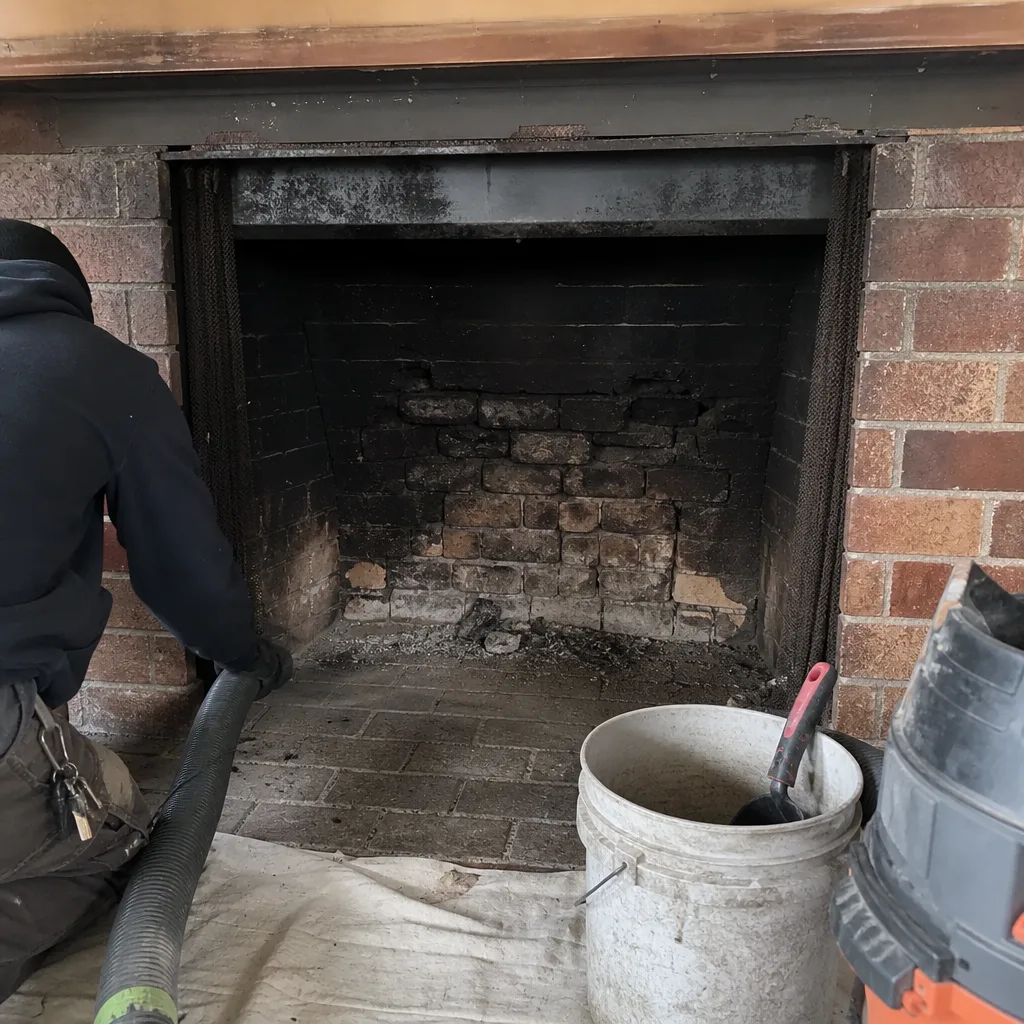 Before
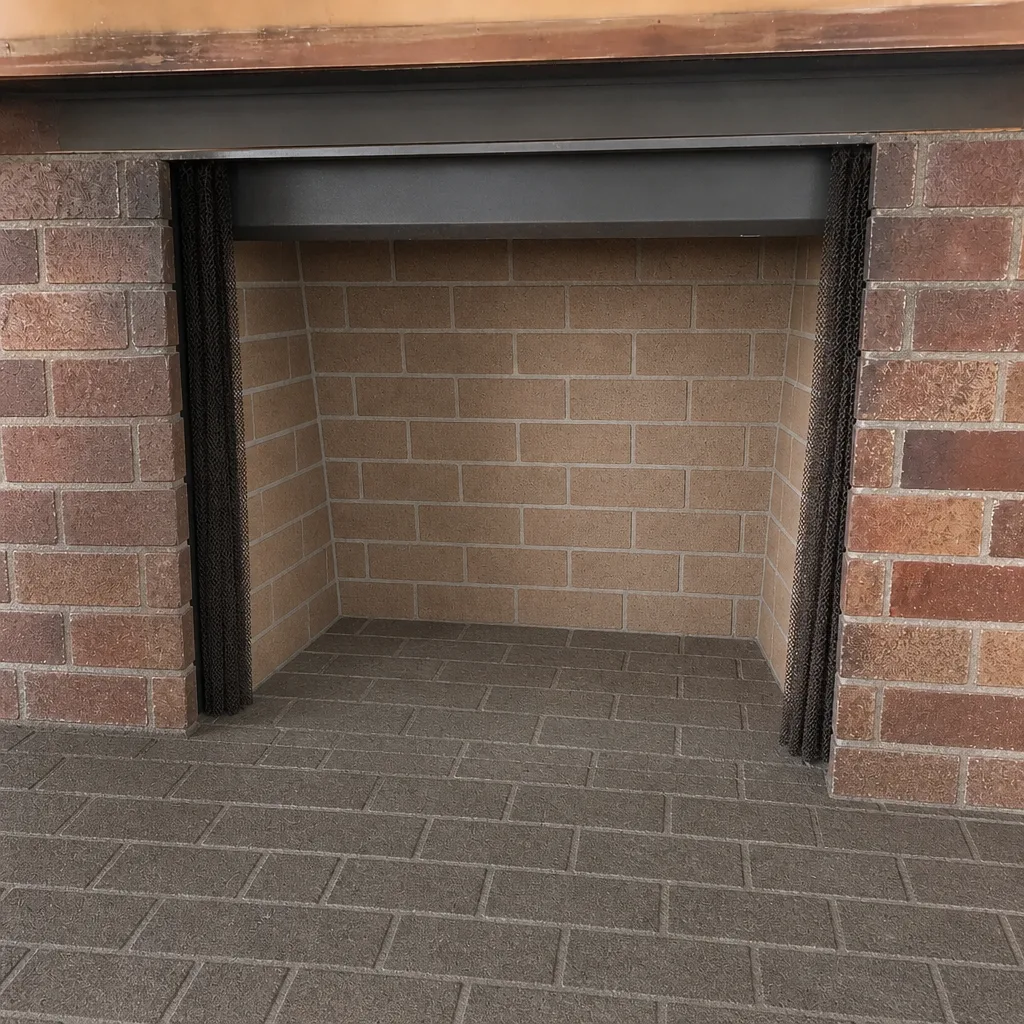 After
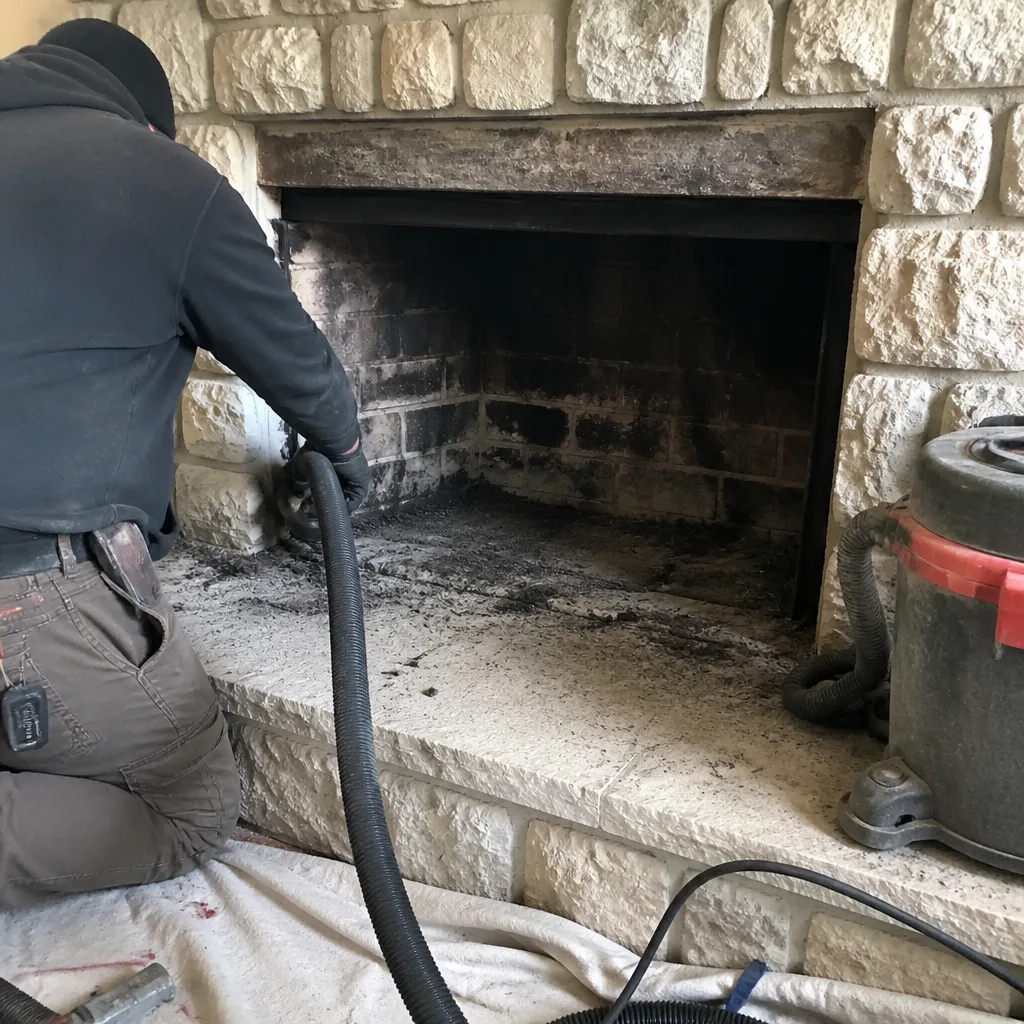 Before
 After
 Before
 After