
Last updated November 15, 2026
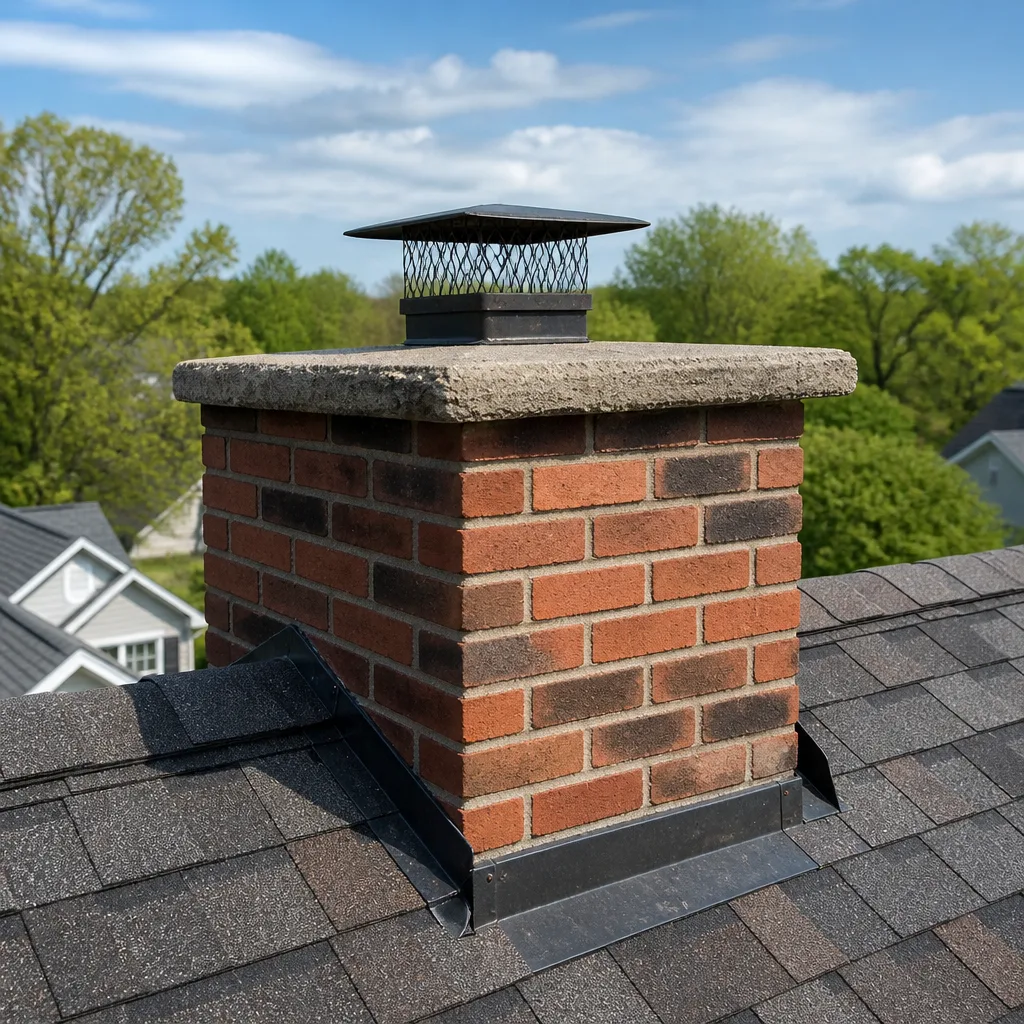 Sweep & inspection
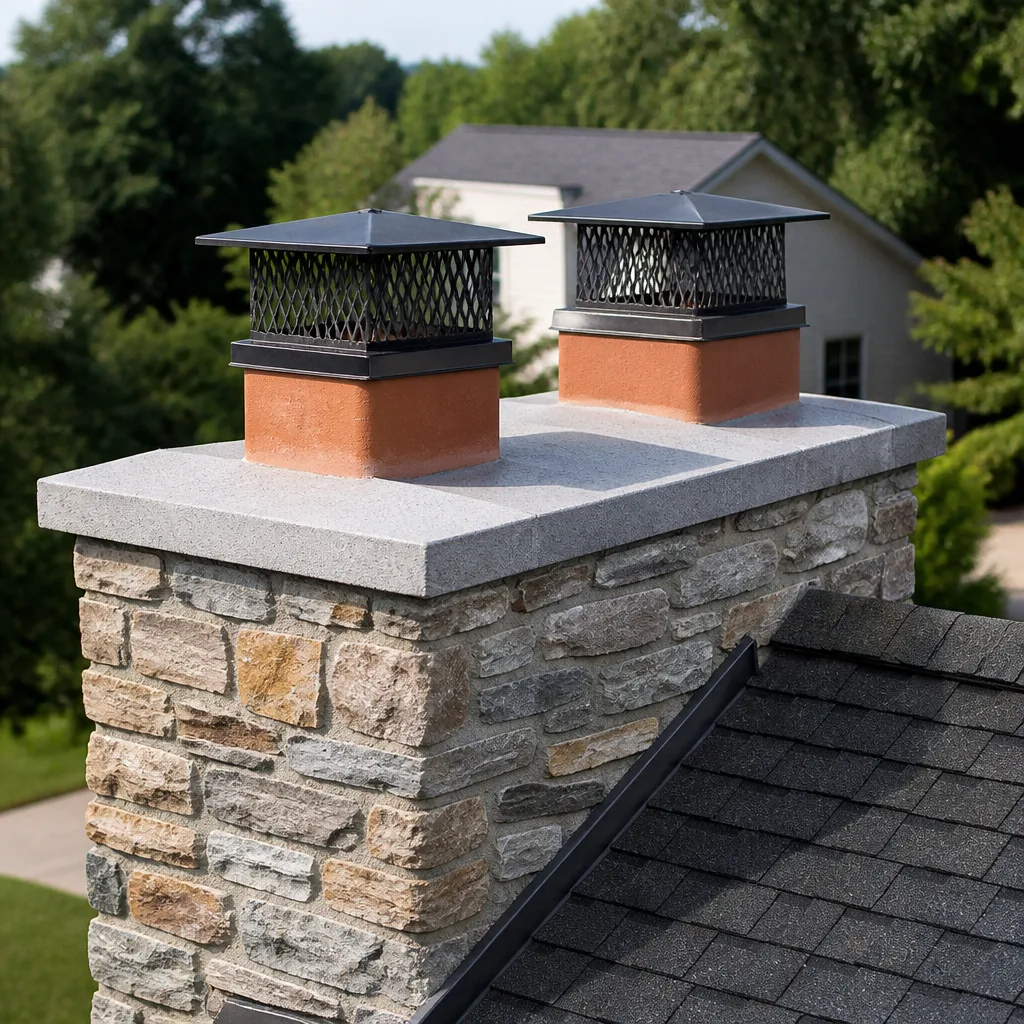 Caps & crowns
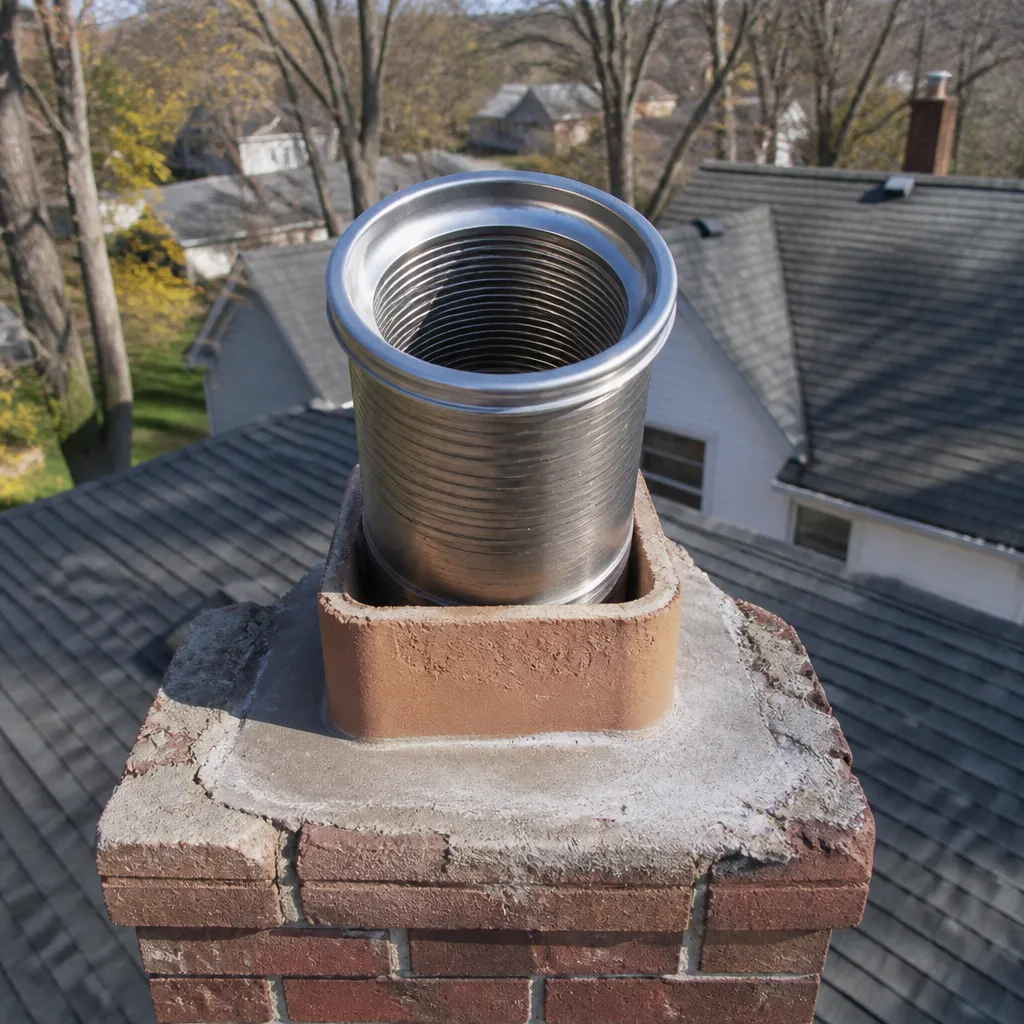 Flue relining
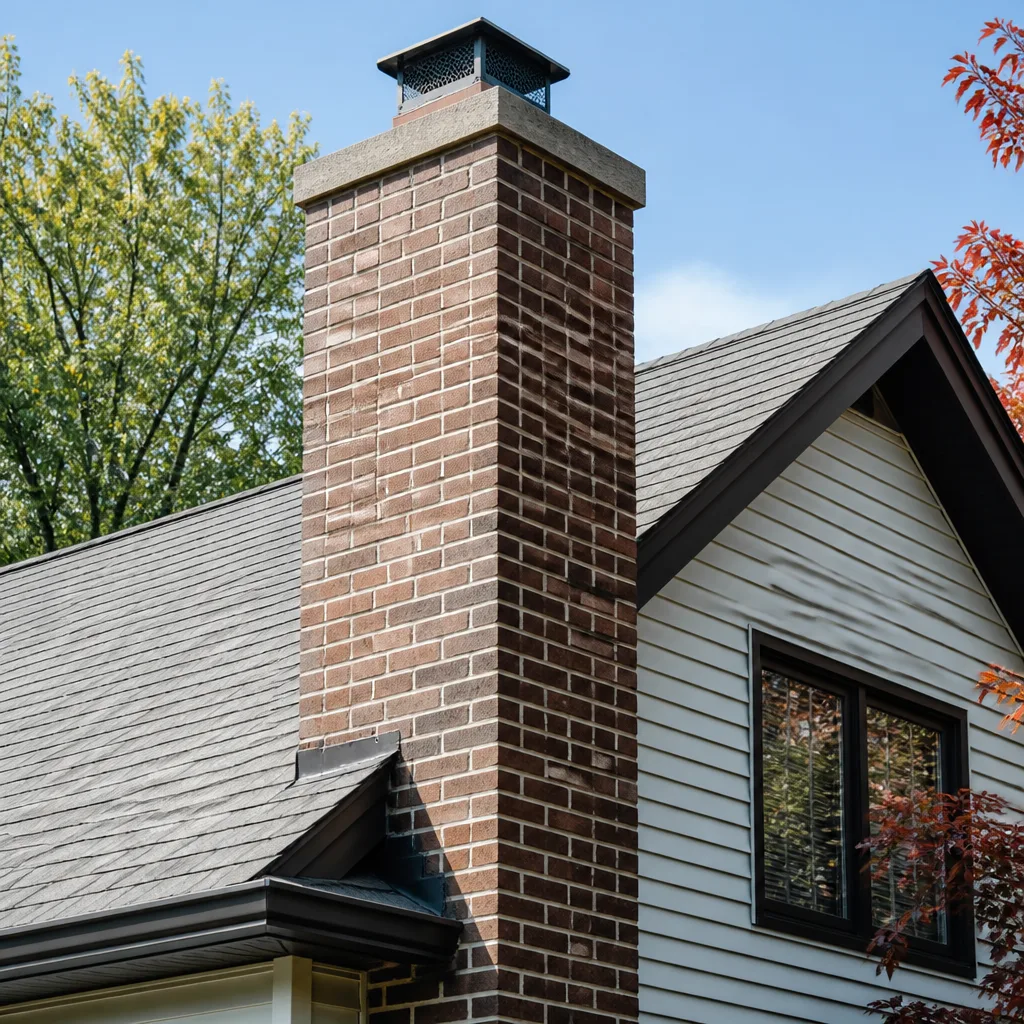 Masonry repair
 Gas fireplace service
Level 1 sweep and inspection to the NFPA 211 annual standard - flue, crown, cap, and flashing checked and photographed
Chimney sweep logs do not sweep chimneys. They loosen some creosote - which then falls where a brush and vacuum still have to collect it.
Chimney Cleaning Emergency Preparedness Guide for Spokane Valley Homes
Most homeowners think a chimney fire looks like a fireplace fire: big flames, visible smoke, obvious danger. It usually doesn’t. A chimney fire often burns inside the flue where you can’t see it, sounds like a low-flying jet or a rumble you feel through the floor, and can push the flue past 2,000°F in about two minutes. The people who come through one safely aren’t the ones who guessed right in the moment; they’re the ones who already knew what the sound meant and what to do first. This guide builds that plan for your Spokane Valley home before you ever need it: what a chimney fire actually looks and sounds like, the correct first three minutes, how carbon monoxide sneaks in through a bad flue, and what has to happen before a chimney that has had a fire gets used again.
Quick Answer
If you suspect a chimney fire: stop the air supply to the fireplace, get everyone out of the house, and call 911 immediately. Don’t pour water into the firebox, don’t wait to see if it “settles down,” and don’t reuse the chimney until a certified-level inspection has confirmed the flue is still sound. Every prepared home in Spokane Valley needs two pieces of hardware – working carbon monoxide detectors and a current inspection – before an emergency, and a written plan you’ve walked through as a family.
Styles & brands we work with
- Sweep & inspection
- Caps & crowns
- Flue relining
- Masonry repair
- Gas fireplace service
Table of Contents
- How to Identify a Chimney Fire in Progress
- The First Three Minutes: The Correct Response Sequence
- Carbon Monoxide: The Chimney Problem That Doesn’t Announce Itself
- After a Chimney Fire: What a Level 2 Inspection Looks For
- Prevention Hardware That Reduces Emergency Risk
- Why Spokane Valley Chimneys See Extra Stress
- Sweeping Frequency and the Creosote Cycle
- Building a Written Chimney Emergency Plan
How to Identify a Chimney Fire in Progress
The hardest part of a chimney fire is that homeowners don’t recognize it while it’s happening. Normal combustion is a fireplace doing what a fireplace does: a steady fire with an occasional crackle, warm smell of woodsmoke near the hearth, and clear smoke rising from the chimney outside. A chimney fire announces itself through a different set of cues, and once you’ve heard them described, you’ll recognize them if you ever encounter one.
What to watch for, inside and outside the house:
- Sound. A chimney fire is often described as a low-flying jet, a distant rumble, a roar, or a rapid tapping. It’s noticeably louder than the fire in your firebox and it doesn’t fade in and out the way a normal fire does.
- Smell. A sharp, hot, almost chemical smell that’s different from normal woodsmoke. Some homeowners notice a hot creosote odor that lingers in the room long after the fire is out.
- Draft reversal. Smoke backing into the room, a sudden change in how the fire draws, or a stove that stops pulling air the way it should.
- Visible sparks or smoke from the top of the chimney. Outside, you may see puffs of dark smoke, visible sparks, or heat shimmering above the chimney cap.
- Stains or heat marks on the chimney exterior. Blackened or blistered caps, discoloration on the chase, or heat cracks near the top of the chimney.
- Wall or chase temperature. Warmth you can feel through an interior chimney chase, or a hot zone on the chimney body.
If you hear a roaring sound inside the flue and can’t be certain what it is, treat it as a chimney fire. The cost of a false alarm is small. The cost of a missed one is not.
The First Three Minutes: The Correct Response Sequence
The actions you take in the first three minutes of a chimney fire matter more than anything that happens after. A chimney fire can spread into the chimney structure, the roof, or the surrounding framing quickly, and the difference between a contained problem and a house fire usually comes down to whether the homeowner knew what to do without having to think. Here is the sequence, in order.
- Get everyone out of the house first. No exceptions. Adults, kids, pets. If you have a staging spot at the end of the driveway, go there.
- Call 911 from outside. Tell them you have a chimney fire. Don’t wait to see whether it “gets worse.” Chimney fires can look calm for a minute and escalate inside the flue.
- Cut the air supply if you can reasonably do so. If you’re near the firebox on your way out and the fire is still in the fireplace, close the glass doors, close the fireplace damper, and close any outside air intakes. Cut the fuel and the oxygen and a chimney fire runs out of what feeds it. Never delay evacuation to do this.
- Do not pour water into the firebox. Water on a creosote fire inside a hot flue can flash to steam, cause a violent expansion, and crack the flue liner. It can also splash and spread the fire. Let the fire department handle it.
- Never burn a “cleaning log” or add wood to burn out a chimney fire. Adding fuel to a chimney fire feeds it.
- Stay out until the fire department says it’s safe to return. Even if the visible fire is out, the flue can stay dangerously hot for hours.
If the fire has already spread into a wall or the roof, get out and stay out. The plan for a fire that’s left the chimney is the same plan you’d have for any house fire, and it starts with calling 911 from outside. A chimney fire that stays in the flue is what you’re trying to catch; the fact that you caught it early is what makes a Level 2 inspection the next step instead of a partial rebuild.
Carbon Monoxide: The Chimney Problem That Doesn’t Announce Itself
When people think carbon monoxide, they usually think of a faulty furnace or a bad water heater. Those are real risks. But in our experience, the chimney itself is an underappreciated source of CO in Spokane Valley homes, and the reason is simple: the chimney is the exhaust pathway for every combustion appliance it serves. A blocked, cracked, or deteriorated flue doesn’t vent CO up and out – it lets it drift back into the living space.
The failure modes that turn a chimney into a CO pathway:
- A blocked flue. Nests, leaves, a shifted liner, or fallen masonry can restrict the flue enough that combustion gases back-draft into the house. This is one reason chimney caps matter.
- A cracked or spalled liner. The heat of a chimney fire, a sudden temperature shift, or age can crack the flue tile or liner. The gap lets exhaust reach the surrounding structure instead of the outdoors.
- A disconnected flue pipe. If the appliance connector has come loose, exhaust enters the room instead of the flue.
- A back-drafting flue. A flue that isn’t drafting properly pulls air down instead of exhausting it. Common with negative pressure in tight modern homes, or with a flue that has the wrong height or cap configuration.
- Creosote buildup narrowing the flue. A partially blocked flue moves less air. Less air means more CO in the living space.
CO gives you no useful warning. Early signs – headaches, nausea, dizziness, tiredness – feel like the flu. The defense is hardware and diligence: a working CO detector on every level of the home and outside each sleeping area, an annual inspection of every appliance and its flue, and a sweep on the schedule your chimney actually needs. If a detector alarms, get everyone outside and call 911 or the fire department’s non-emergency line before you re-enter. Do not try to find the source yourself.
For a deeper look at how our chimney sweep service handles the inspection side of this, we look at the entire flue, not just the firebox.
After a Chimney Fire: What a Level 2 Inspection Looks For
A chimney that has had a fire is not the chimney it was before the fire, even if it looks unchanged from the outside. High heat stresses flue tile, cracks mortar joints, warps metal liners, and opens gaps that weren’t there. This is why no one should reuse a chimney after a fire until a Level 2 inspection has confirmed the flue is still intact. Skipping that step is how a contained fire turns into a CO leak months later.
A Level 2 inspection is the standard after a chimney fire, a change in fuel type or appliance, or a property transfer. It covers everything a Level 1 visual inspection does plus access to concealed areas, a video scan of the flue, and a close look at the chimney’s exterior. In Spokane Valley, we arrive with cameras and get the full flue on record before we recommend anything.
What the inspection specifically checks, in order:
- Flue liner integrity. Tile-by-tile condition, with attention to cracks, spalling, and mortar joint gaps. A camera scan shows us the full length of the flue, not just the portion we can see from the top.
- Joints and connector pipe. Where the appliance connects to the flue, and where flue sections meet. The heat of a fire is often hardest on the joints.
- Chimney interior. Efflorescence, staining, and any sign that heat has escaped the flue or water has been getting in.
- Exterior and crown. Cracks, spalling, and crown condition. A cracked crown lets water into the chimney, which sets up freeze-thaw damage through winter.
- Cap and chase cover. Whether the cap survived, is seated correctly, and is still keeping animals and rain out.
- Creosote levels after the event. What stage the remaining deposits are in, which tells us how hard the next sweep will be and whether the fire was fueled by a glazed creosote layer.
If the liner has failed, the fix is usually a reline, not a rebuild. We install DuraFlex liner systems for exactly this situation; they’re a professional-grade, listed liner that lets a damaged tile flue be restored rather than torn out. The important point is that the recommendation follows the inspection, not the other way around. Nothing gets recommended without camera evidence you can see for yourself.
If you’re already seeing signs of damage, or you’ve had a fire and want the flue checked, our chimney repair page walks through what the fix typically looks like.
Prevention Hardware That Reduces Emergency Risk
Most chimney emergencies aren’t caused by a single failure. They’re the result of an ordinary condition that went unnoticed for a season or two: creosote that built up past a safe level, a cap that came loose and let water in, a flue that started drawing poorly and was never checked. A few pieces of hardware, correctly installed, close most of those gaps before they open.
The four pieces of prevention hardware we see make the biggest difference for Spokane Valley homes:
- A properly sized chimney cap. A cap keeps rain, snow, animals, and debris out of the flue. It also acts as a spark arrestor. A missing or damaged cap is one of the most common reasons we find a blocked flue on inspection. Gelco and Famco product lines cover cap installation and chase covers, and the fit matters more than the brand.
- A top-mount damper. A top-sealing damper sits at the top of the chimney instead of the throat, which seals the flue completely when the fireplace isn’t in use. It stops the constant air leak that costs you heat in winter, and it prevents the downdraft that can push exhaust back into the house. It also closes the flue to animals and weather when the fireplace is off.
- CO detectors placed near combustion appliances. One on every level of the home, plus one outside each sleeping area, plus one in the room that contains the furnace or the wood stove. Placement near the appliance is what catches a chimney-side CO problem early.
- A flue liner in good condition. This isn’t a bolt-on, but it’s the single most important piece of “hardware” in the system. If the tile liner has cracks or gaps, no cap or damper will make the flue safe. HeatShield resurfacing can restore a liner with limited damage; a full DuraFlex reline handles a liner that has failed.
None of these are expensive in the scheme of what one chimney fire does. All of them are cheaper than the inspection and repair that follows an event. If you want an honest read on where your hardware stands, our Bellmont Chimney Sweep team covers cap installation, damper work, and liner service under the same roof as the sweep and inspection. You won’t get handed off to a different contractor halfway through.
Why Spokane Valley Chimneys See Extra Stress
Chimneys in Spokane Valley work harder than chimneys in a lot of places, and it comes down to the seasons. Cold winters mean the fireplace runs long and often. The valley’s freeze-thaw cycle works masonry and mortar joints back and forth through late fall and early spring, opening hairline cracks that grow a little each season. And the shoulder months – cool mornings, warmer afternoons – are the hardest on a chimney because short, cool burns produce more creosote than a hot, steady fire does.
Three local patterns we see repeat across Spokane Valley homes:
- Late-season creosote buildup. A wood stove or fireplace that gets run “a little” through October and November, on and off, builds up creosote faster than a fire burned steadily at temperature. That creosote is what a chimney fire burns.
- Freeze-thaw damage to the crown and exterior. A hairline crack in the crown in October is a water pathway in January. Water freezes, expands, opens the crack further, and the cycle repeats. By spring, the crown can be a real repair.
- Downdrafts from the terrain. Chimneys near a ridge, a tree line, or a taller neighbor can draft inconsistently. A cap designed for the flue and chimney height fixes most of it; a fire burned in a back-drafting flue is a CO risk.
If your fireplace lights hard, smokes when it shouldn’t, or smells off when it’s not in use, that’s a draft or flue condition worth checking – not a chimney that’s behaving normally. A home in Spokane Valley that gets swept on schedule tends to catch these patterns at the inspection stage instead of the repair stage.
Sweeping Frequency and the Creosote Cycle
The single best preparation for a chimney emergency is a sweep before the season starts, and the timing matters more than most homeowners realize. Creosote – the tar-like residue left by wood smoke – builds in stages. Stage 1 is soot and light flake that brushes off easily. Stage 2 is a crust that takes more work. Stage 3 is glazed, hardened creosote that bonds to the flue and is what fuels the most severe chimney fires. The jump from Stage 2 to Stage 3 isn’t a matter of months for a heavy user. It can happen within one burning season.
A few working rules for Spokane Valley households:
- Sweep annually if you burn wood regularly – roughly a cord or more a season. The standard recommendation is once a year, and it’s the right default here.
- Sweep more often with heavy use, a wood stove, or unseasoned wood. A stove that runs hard through winter benefits from a mid-season check.
- Sweep if you’ve moved into a home and don’t know the last sweep. The prior owner’s maintenance history is the one piece of information you can’t assume.
- Sweep after any chimney fire, before the Level 2 inspection if the sweep can be done safely. The inspection needs a clear flue to see what the fire did.
- Sweep if you’re only seeing smoke, not a full burn. A slow, smoldering fire produces more creosote per log than a hot one.
If you want the sweep and inspection treated as one appointment, that’s how we do it. The camera comes out either way; the sweep is what makes the inspection accurate. Call (844) 734-4138 to get on the schedule before the burning season rather than during it. We answer 24/7. Fast dispatch from 7am to 7pm, Sunday through Friday.
Building a Written Chimney Emergency Plan
A plan that lives only in your head doesn’t survive the first thirty seconds of a real chimney fire. The whole point of writing it down is that you and everyone in the home have walked through the same steps, the same staging spot, and the same sequence enough times that you act instead of debate. This is a one-page exercise, and it’s worth doing today.
Write it down and review it as a family:
- Identify the staging spot. The end of the driveway, or the front yard away from the house. Everyone in the home should know the spot.
- Identify the alarm sounds. Both the smoke alarm and the CO detector. Everyone should recognize both, and know that a CO alarm means get outside first, call 911 second.
- Write the first three steps on a card. Close the air supply if it’s safe. Get everyone out. Call 911. Stick the card inside a kitchen cabinet, near the fireplace, so it’s findable under stress.
- List the utilities shutoffs. Gas, electric, water. Know where they are and how to turn them off if the fire department asks.
- Note the chimney’s last inspection and sweep date. The fire department or a chimney professional will ask. A dated record tells them what the flue looked like going in.
- Post the chimney company’s number next to the phone. Not in a notes app – on the wall, where a panicked family member can find it. Our number is (844) 734-4138.
- Review once a year, before burning season. Add new household members. Update the staging spot if the yard changes.
Three minutes of planning buys you the one thing you can’t get back in a chimney fire: the difference between reacting and freezing.
Common Mistakes to Avoid
- Treating a roaring flue as normal combustion. A steady roar, a jet-like sound, or a rumble that comes through the floor is a chimney fire until proven otherwise. If you’re not sure, treat it as one and call 911 from outside.
- Pouring water into the firebox. Water on a hot flue can flash to steam and crack the liner, which turns a containable fire into a reline. Let the fire department handle it.
- Waiting to see if it “settles down.” Chimney fires often look calm for a minute. The fire is not out because the firebox looks quiet. Get out and call.
- Reusing a chimney after a fire without a Level 2 inspection. A flue that survived the fire can still be cracked, warped, or separated at the joints. Using it again before an inspection is how a fire becomes a CO event.
- Skipping the cap because “it’s just a lid.” A cap keeps animals, rain, and debris out of the flue. A cap that’s missing or undersized is one of the most common causes of a blocked flue we find on inspection.
- Burning unseasoned wood or short, cool fires. Wet wood and smoldering fires produce the creosote that makes the next chimney fire severe. Spokane Valley’s shoulder months are the worst time for short, cool burns.
- Relying on a CO detector on one floor only. CO spreads. One detector covers one floor. A home with a fireplace, a furnace, and a water heater needs detectors on every level and outside each sleeping area.
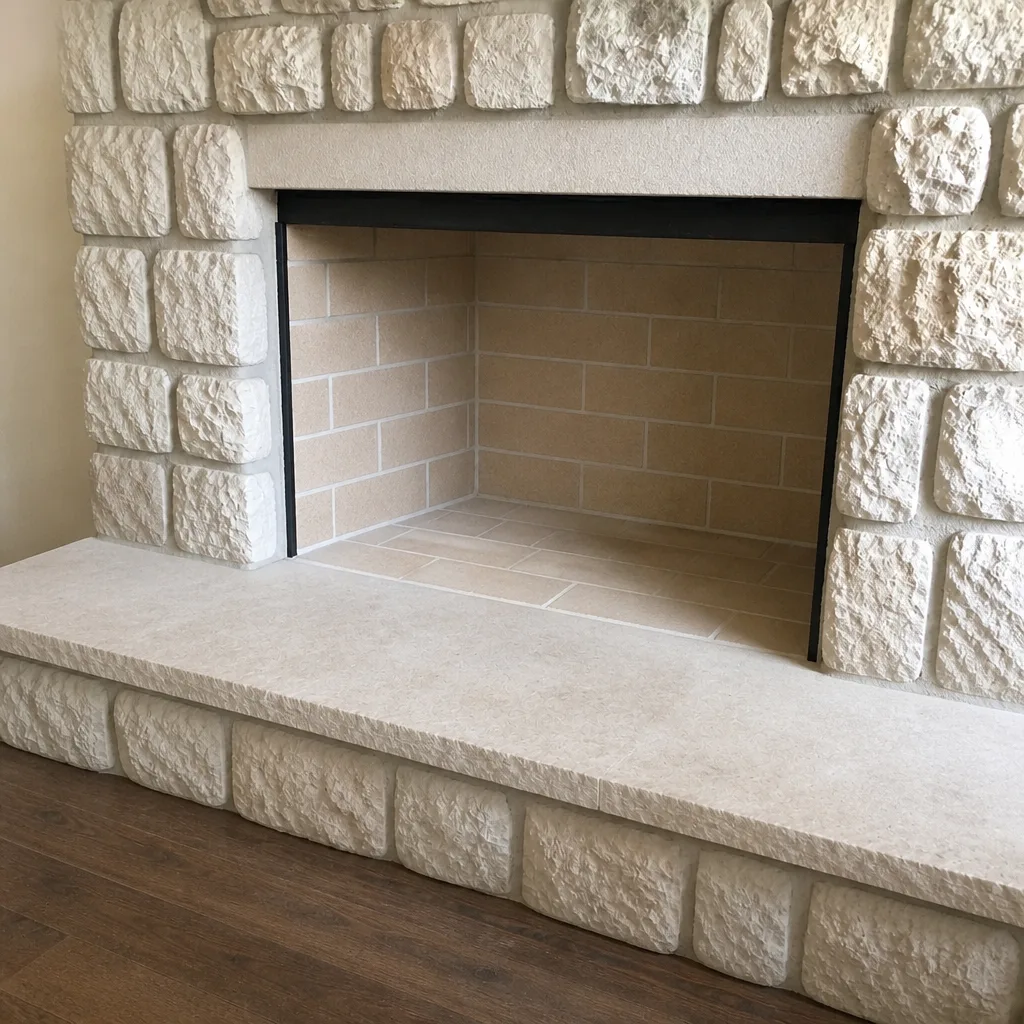
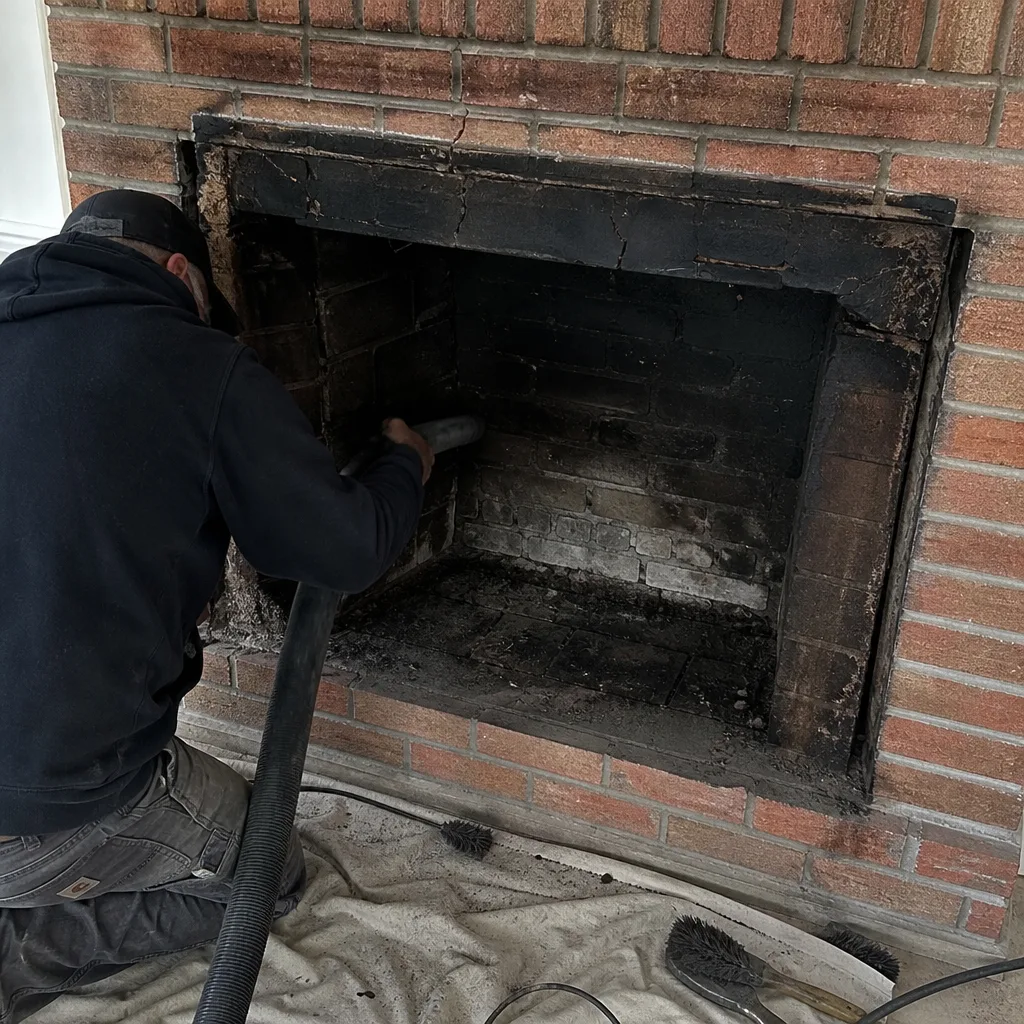
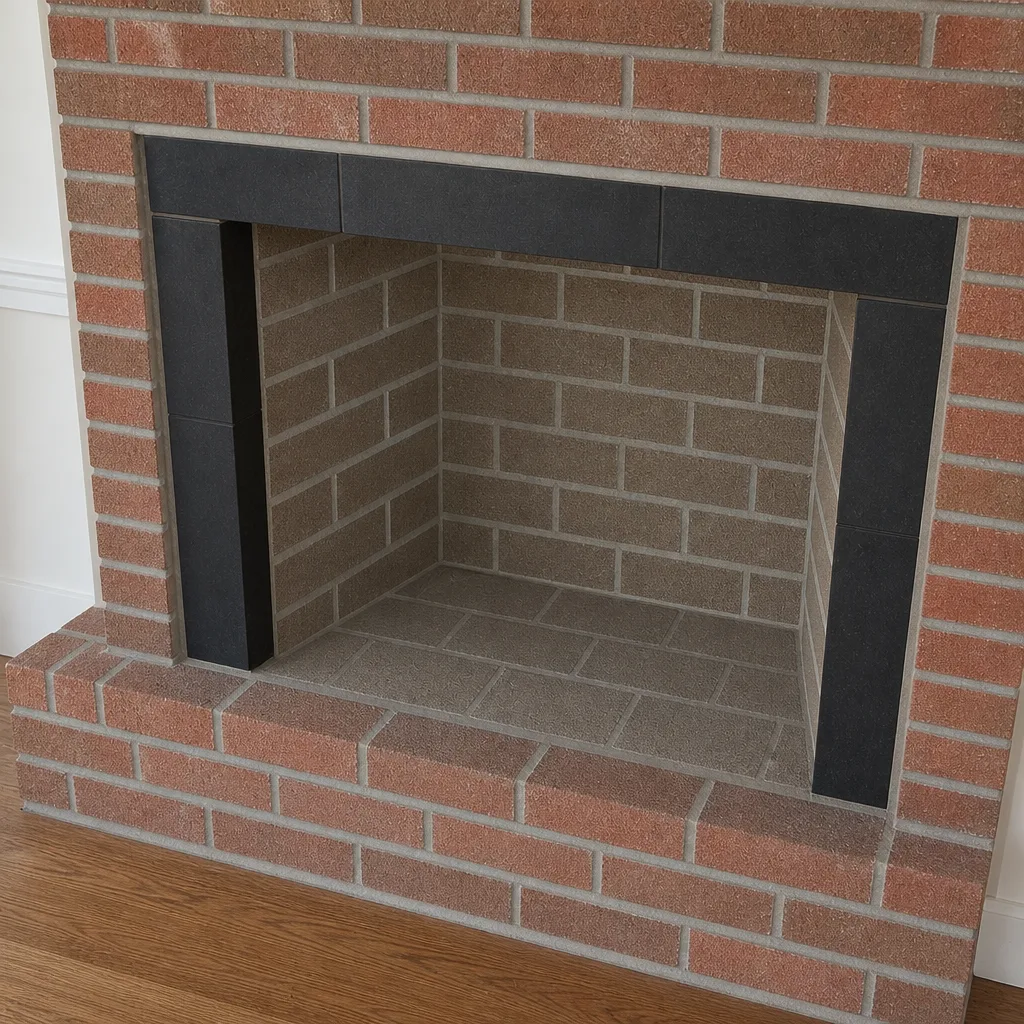
See the difference
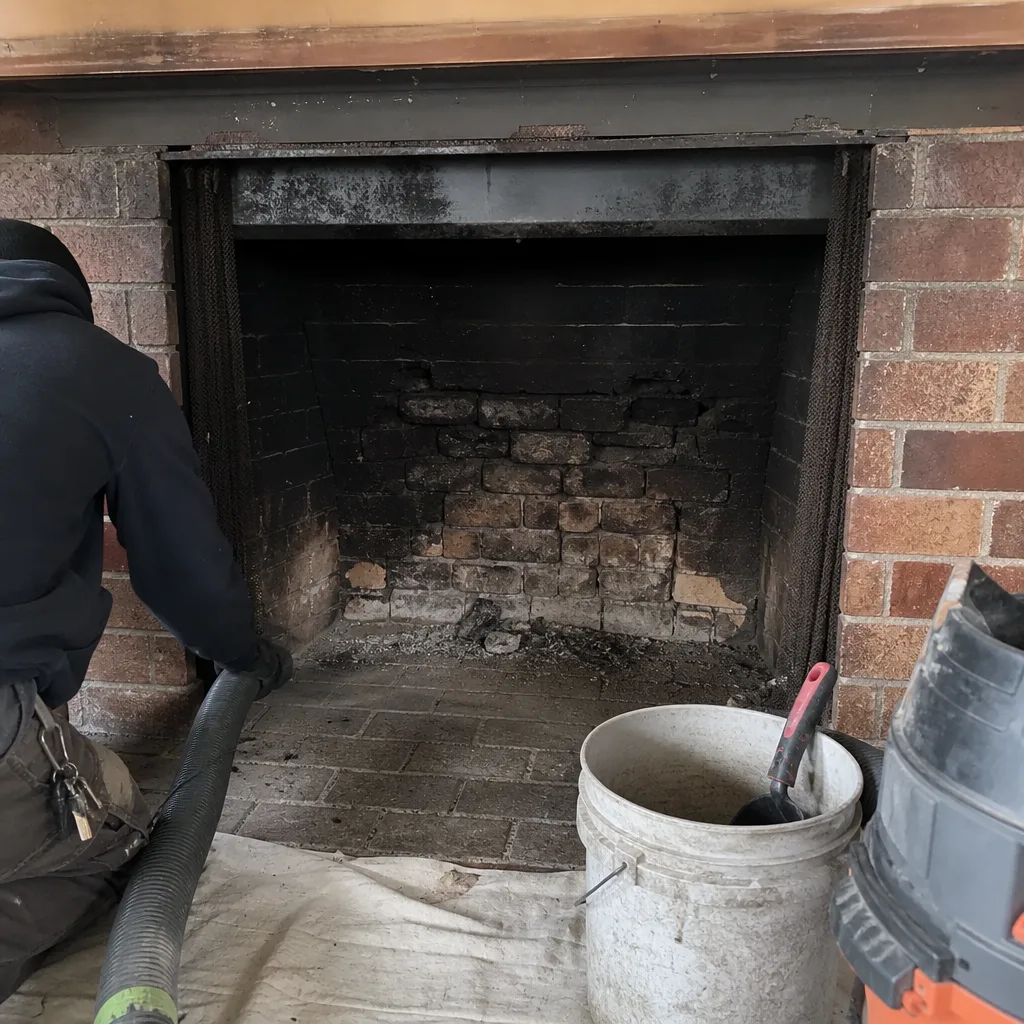 Before
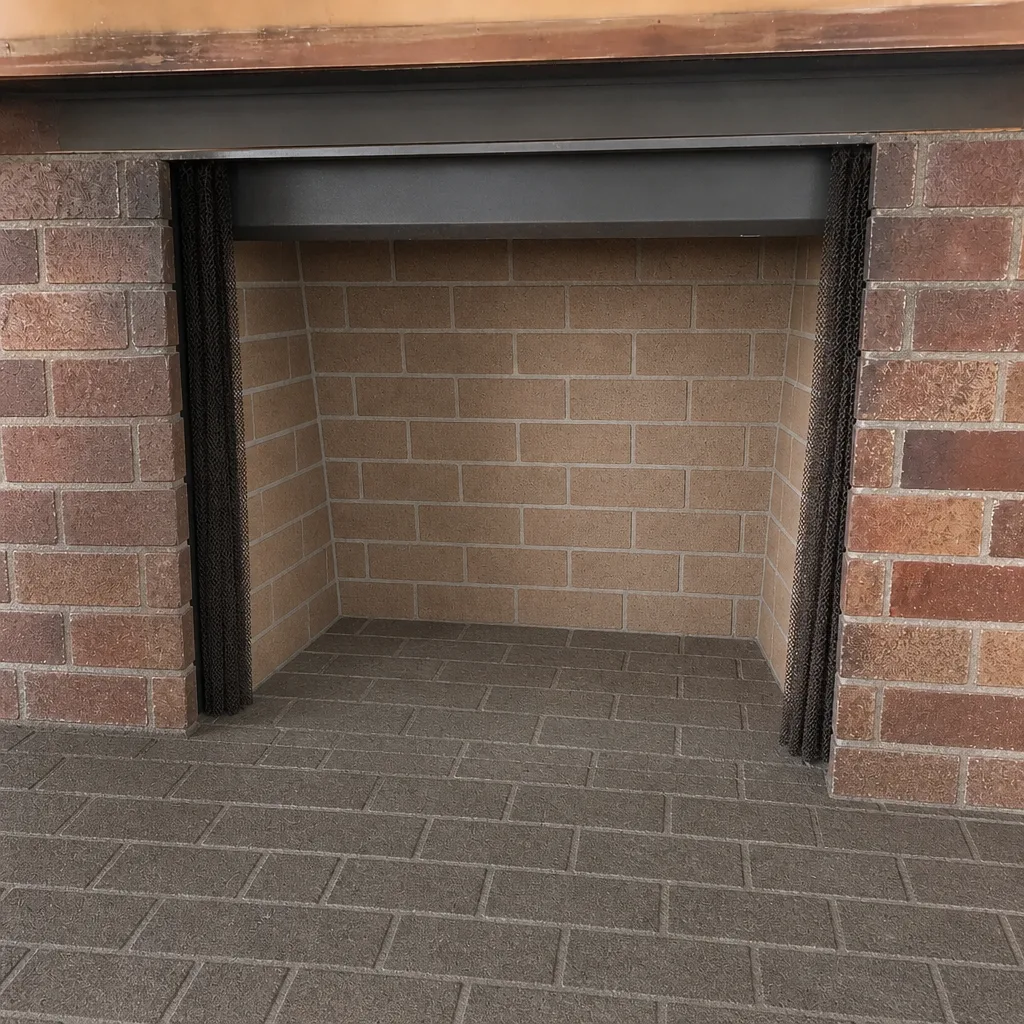 After
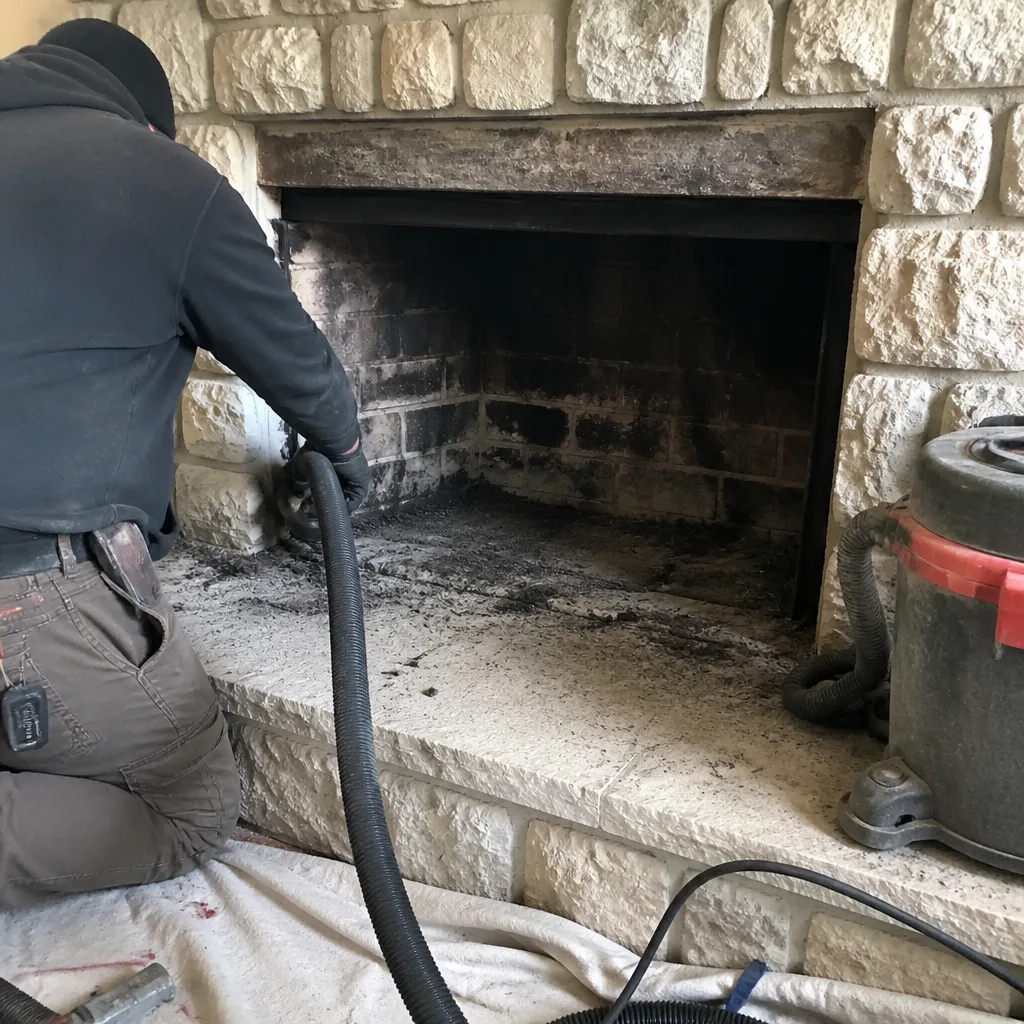 Before
 After
 Before
 After
When to Call a Professional
Not every chimney concern is an emergency, and knowing the difference is part of being prepared. Call the fire department first if you suspect an active chimney fire, hear a roar in the flue, see sparks or heavy smoke from the top of the chimney, or your CO detector alarms. Call us after the fire department has cleared the scene, before anyone uses the chimney again. Call us directly, with no fire department response needed, if you’ve just moved into a home and don’t know the last sweep; you hear or smell something off in the flue when the fireplace isn’t lit; your fireplace smokes or drafts poorly; you see staining, cracking, or a loose cap on the chimney exterior; or your CO detector has alarmed and the source hasn’t been identified. Bellmont Chimney Sweep offers free estimates in Spokane Valley – call (844) 734-4138. We answer 24/7. Fast dispatch from 7am to 7pm, Sunday through Friday. The estimate is free, and the price is set per job by the written estimate.
Frequently Asked Questions
A chimney fire usually sounds like a low-flying jet, a rumble, a roar, or a rapid tapping coming from inside the flue. It’s noticeably louder and steadier than the fire in your firebox, and it often feels like the sound is coming through the wall or floor rather than from the fireplace. If you hear that sound, get everyone out and call 911. If you’re not sure, treat it as a chimney fire. Call (844) 734-4138 afterward for a Level 2 inspection before the chimney is reused.
You need a Level 2 inspection. A sweep clears creosote; it doesn’t tell you whether the flue liner cracked, the joints separated, or the crown heat-cracked, and those are exactly the conditions that turn a contained fire into a carbon monoxide problem. A Level 2 inspection includes a video scan of the full flue and access to concealed areas. Call (844) 734-4138 for a free estimate; the written estimate sets the price per job.
Yes. A blocked, cracked, or partially restricted flue can let combustion gases back into the living space instead of venting them outside. In Spokane Valley’s longer burning season, a flue that was fine in October can be restricted by January. That’s why we recommend a working CO detector on every level of the home, one outside each sleeping area, and one near the furnace or wood stove. If your detector alarms, get everyone outside and call 911. Call (844) 734-4138 for an inspection once the fire department has cleared the scene.
Once a year for a home that burns wood regularly, which covers most Spokane Valley wood-burning fireplaces and stoves. If you burn a cord or more a season, run a wood stove hard, or burn wood that isn’t fully seasoned, sweep more often than once a year. If you’ve just moved in and don’t know the last sweep, sweep before the next fire. Call (844) 734-4138 for a free estimate; the written estimate sets the price per job.
Creosote builds through stages, and the jump from a brushable crust to glazed, hardened creosote can happen in a single burning season. That glazed creosote is the fuel for a chimney fire, and it’s also what can narrow the flue enough to worsen draft and raise carbon monoxide risk. The sweep is the cheap step; the fire that follows a skipped sweep is not. Call (844) 734-4138 to get on the schedule before burning season. Fast dispatch from 7am to 7pm, Sunday through Friday.
Most cracked liners can be fixed without a rebuild. A liner with limited damage is often restored with HeatShield resurfacing; a liner that has failed or is too far gone gets a DuraFlex liner system installed inside the existing flue. Both are professional-grade products, and both are services we handle in-house after the inspection. Nothing is recommended without camera evidence you can see for yourself. Call (844) 734-4138 for a free estimate.
The Bottom Line
A chimney emergency in Spokane Valley is almost never a surprise. It’s a series of missed signals: creosote that built past a safe level, a cap that came loose, a flue that stopped drafting, a fire that got reused without a Level 2 inspection. The plan is simple. Get a sweep and inspection before the burning season. Install a proper cap, a top-mount damper, and CO detectors on every level. Walk through the first three minutes with your family and write the steps down. And when a chimney fire happens, close the air supply, evacuate, and call 911. Everything else can be fixed. The three minutes can’t be repeated.
If you’re not sure where your chimney stands, call us. We inspect before we recommend, the estimate is free, and the price is set per job by the written estimate. Call (844) 734-4138. We answer 24/7. Fast dispatch from 7am to 7pm, Sunday through Friday.
Written by the team at Bellmont Chimney Sweep.