
Last updated November 15, 2026
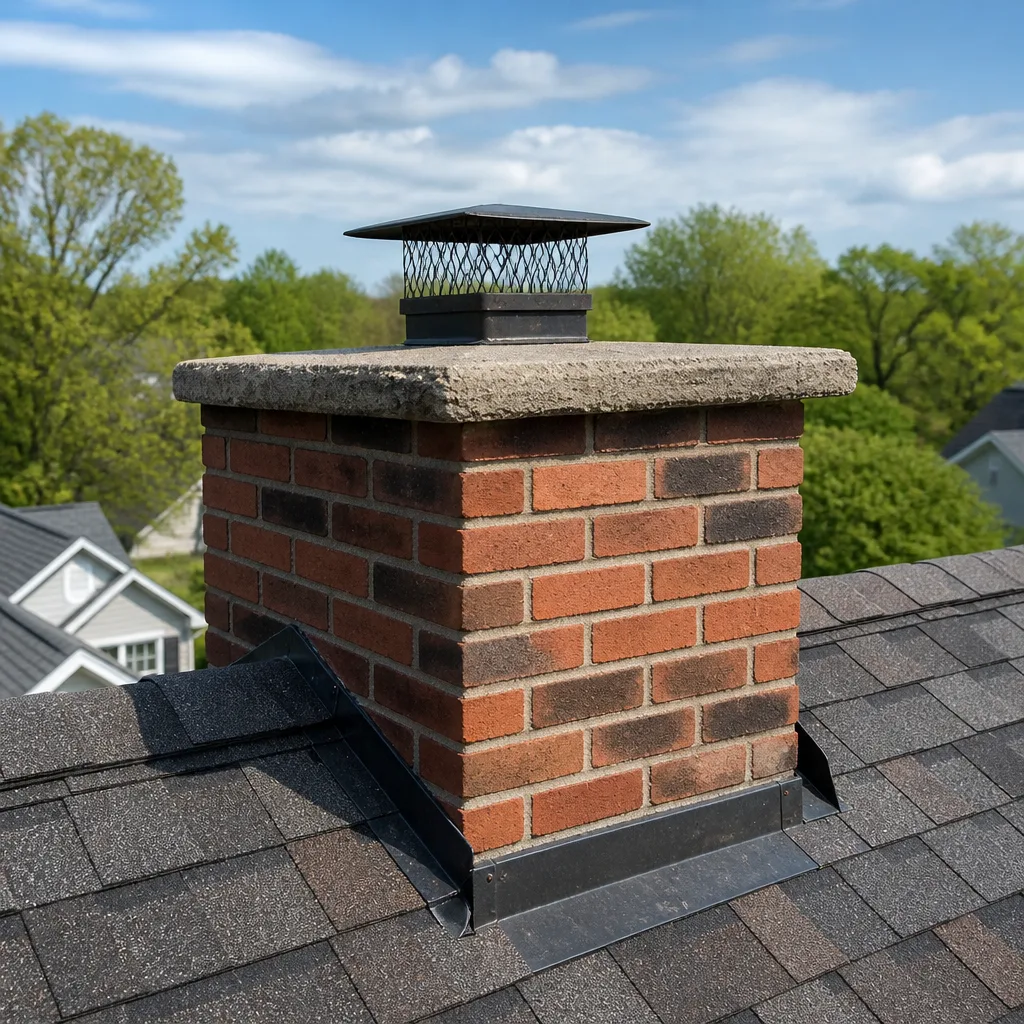 Sweep & inspection
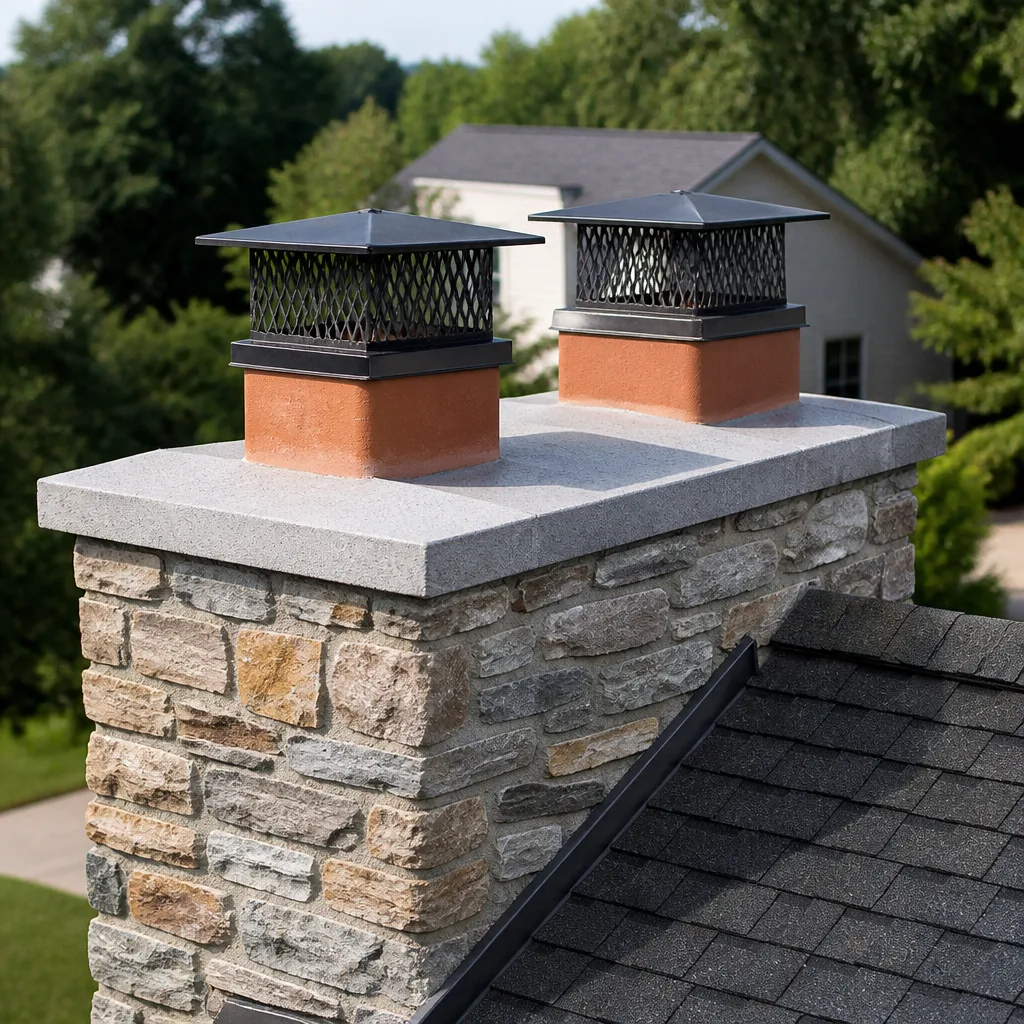 Caps & crowns
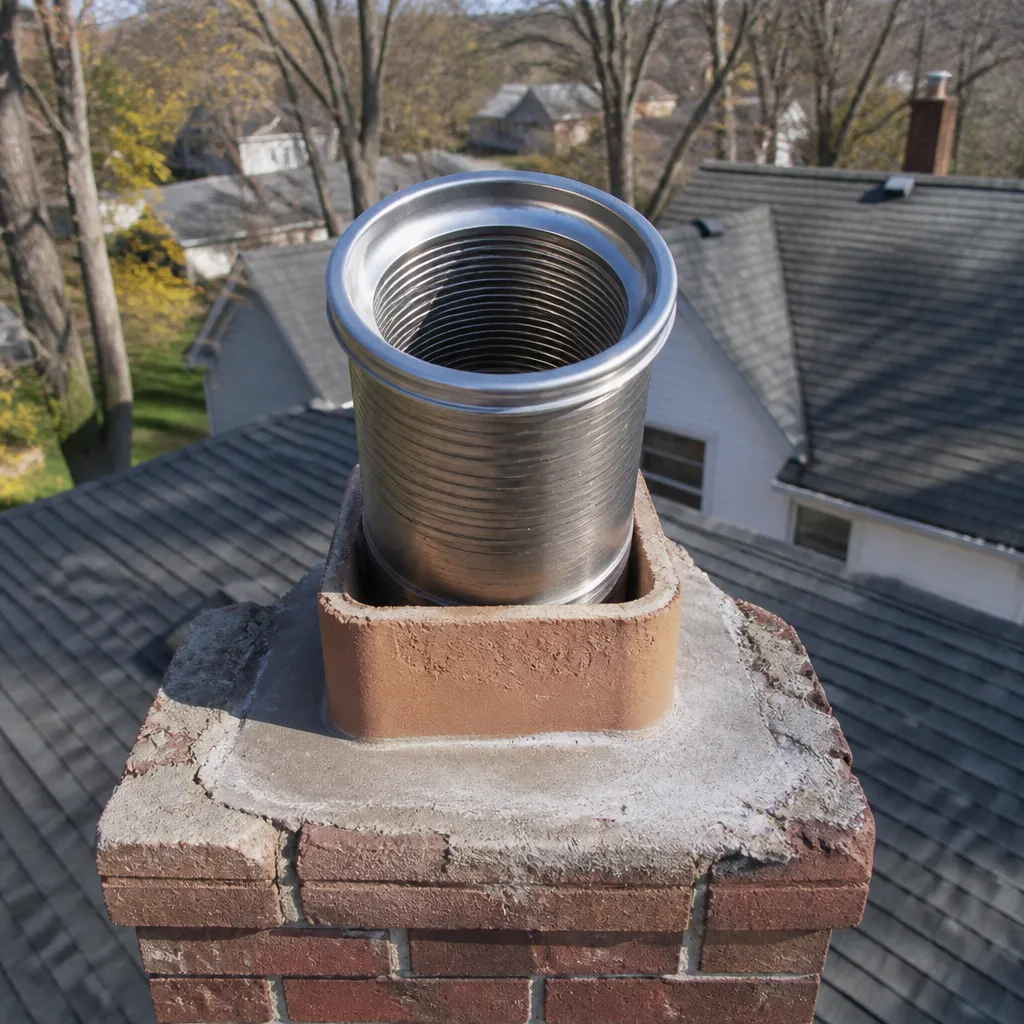 Flue relining
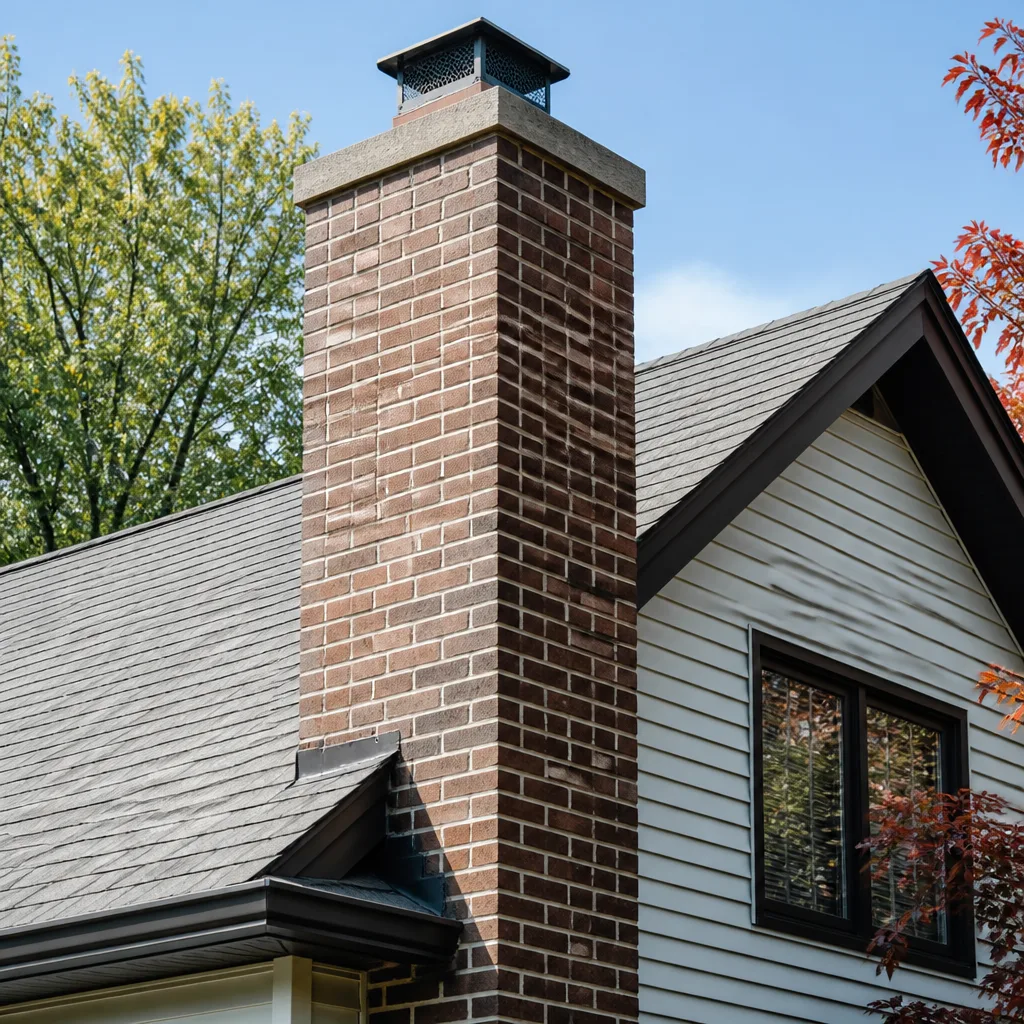 Masonry repair
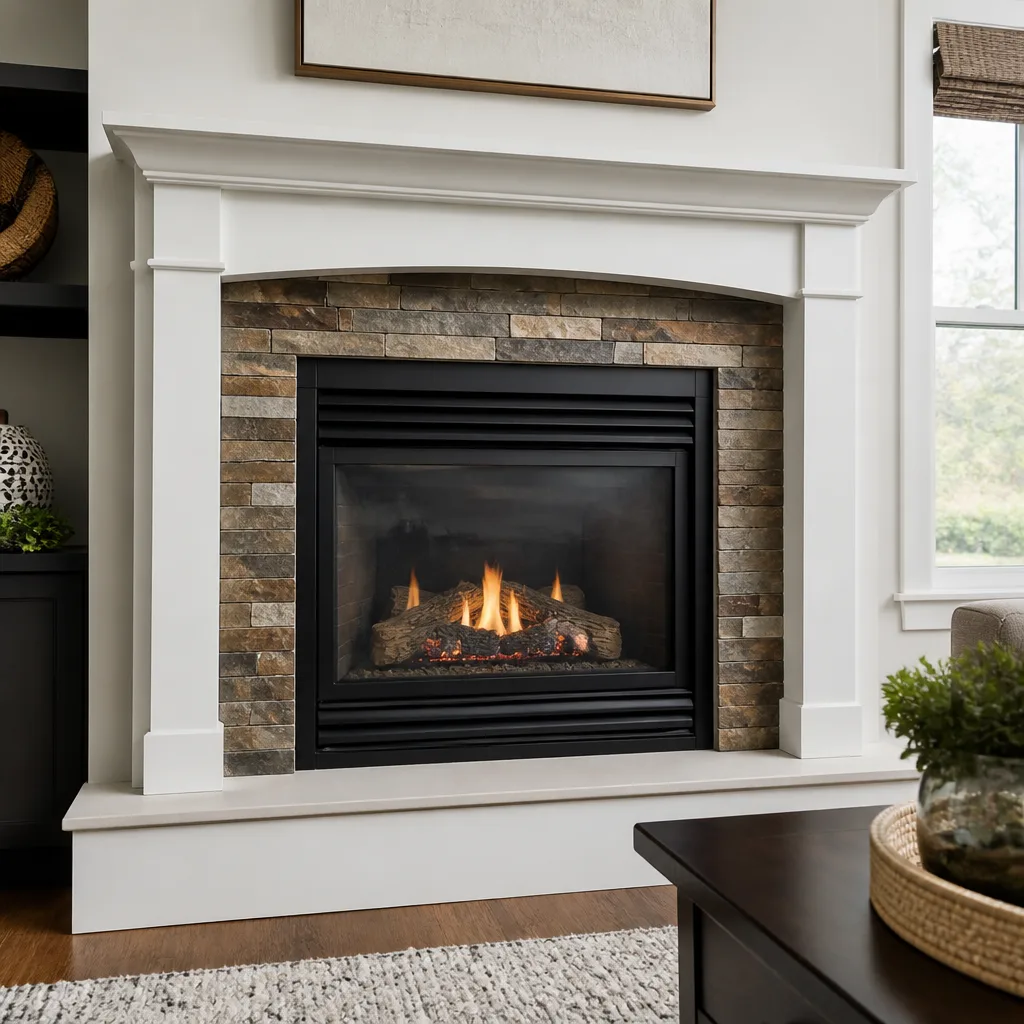 Gas fireplace service
Level 1 sweep and inspection to the NFPA 211 annual standard - flue, crown, cap, and flashing checked and photographed
Chimney sweep logs do not sweep chimneys. They loosen some creosote - which then falls where a brush and vacuum still have to collect it.
Chimney Cleaning Permits, Codes & Inspections in Spokane Valley, WA: What You Need to Know
Most chimney work in Spokane Valley needs no permit at all. That’s the part people get wrong in the other direction. Sweeping a flue, running a camera down a liner, replacing a cap, or pulling a damper is routine maintenance, and no building department wants paperwork for it. But the moment the job shifts from cleaning to altering the chimney structure, Washington State’s adopted codes take over, and the line between the two isn’t obvious to a homeowner reading a scope of work. This guide draws that line: which services are exempt, which require a permit, when a Level 2 inspection is legally required, and why the documentation from a sweep matters later at claim time or closing. If you own a wood-burning fireplace, a gas insert, or a furnace flue in Spokane Valley, this is the paperwork side of chimney care explained plainly.
Quick Answer
Routine chimney sweeping and Level 1 inspections in Spokane Valley require no permit. Work that alters the chimney structure or venting system, including relining, crown replacement, firebox reconstruction, and appliance or flue changes, falls under Washington State’s adopted building code and generally requires a permit from the city before work begins. A Level 2 inspection becomes effectively required during a real estate transaction, after an appliance change, or following a chimney fire or other event that may have damaged the flue.
Styles & brands we work with
- Sweep & inspection
- Caps & crowns
- Flue relining
- Masonry repair
- Gas fireplace service
Table of Contents
- Which chimney services are exempt from permits in Spokane Valley?
- Which chimney repairs always require a permit?
- How Washington’s codes and NFPA 211 interact with local enforcement
- When is a Level 2 inspection legally required?
- How permitted versus unpermitted work affects your insurance
- What documentation you should keep (and what we provide)
- How the permit process actually works, step by step
- Common mistakes to avoid
Which chimney services are exempt from permits in Spokane Valley?
Cleaning and inspection are exempt. Full stop. A chimney sweep removes creosote, soot, and debris from a flue that already exists and already has whatever approval it needed when it was built or last altered. No structural change happens, no venting component is modified, and the building department has nothing to review. The same goes for a Level 1 or Level 2 inspection, which is diagnostic: a technician looks, runs a camera, and reports. Inspection is not construction.
The exempt list in practice looks like this:
- Sweeping of wood, gas, oil, or pellet flues
- Level 1, 2, and 3 inspections and the written report that comes with them
- Cap and chase cover replacement, when the cap is a like-for-like swap on an existing crown or chase and no flue component is altered
- Damper repair or replacement where the firebox structure itself isn’t touched
- Minor mortar repointing on an accessible exterior joint, provided no structural masonry is removed
- Cleaning and servicing of a gas insert or furnace flue short of replacing the venting
One caveat that catches people: an exempt service can still turn up a problem that requires a permit. A sweep is a look inside the flue. If it reveals cracked tiles, a failed liner joint, or a crown that’s separated from the flue, the repair that follows is a different category of work. That’s why we inspect before we recommend anything, so the recommendation and the permit question get answered together instead of in two separate conversations. In our experience around Spokane Valley, the confusion almost always lives at that boundary, not in the cleaning itself.
Which chimney repairs always require a permit?
Relining, crown replacement, firebox reconstruction, and any change to the venting system or the appliance it serves generally require a permit. Washington State adopts the International Residential Code with amendments, and the chimney and venting provisions of that code cover the structural and life-safety components of a chimney. When you replace a liner, you’re altering the venting system that carries combustion gases out of the house. When you rebuild a firebox, you’re altering a masonry structure with specific clearance-to-combustible requirements. Both are construction work, and construction work gets reviewed.
Repairs that typically need a permit in Spokane Valley:
- Full flue relining, including stainless liner systems such as DuraFlex installations
- Crown replacement or rebuild, since the crown sheds water off the entire chimney top
- Firebox reconstruction or firebox relining, including cast-in-place resurfacing products like HeatShield applied as a structural repair
- Appliance changes that affect venting, such as converting from wood to gas or swapping a furnace that uses the same flue
- Chase cover replacement where the chase itself is opened or the flue termination is modified
- Adding a new chimney or flue, or removing one
Here’s what a homeowner should take from this. If a contractor proposes relining or rebuilding and never mentions a permit, ask directly whether the job requires one. A company that does this work regularly knows the answer for its own jurisdiction and can tell you before you sign. Our own relining work uses professional-grade liner systems from recognized manufacturers, and the permit question comes up on nearly every one of those jobs. It’s a normal part of the project, not a red flag.
How Washington’s codes and NFPA 211 interact with local enforcement
Two documents govern chimney work in Washington, and they do different jobs. The first is the state’s adopted building code, which is based on the International Residential Code and includes Chapter 10, the section covering chimneys and vents. That chapter sets the construction requirements: masonry thickness, clearance to combustibles, liner requirements, height above the roof, and how venting connects to appliances. The building department enforces it through the permit and inspection process.
The second is NFPA 211, the Standard for Chimneys, Fireplaces, Vents, and Solid Fuel-Burning Appliances. Washington references NFPA 211 in its adopted code, and NFPA 211 is where the inspection levels come from: Level 1, Level 2, and Level 3. It also sets the standard for what a sweep or inspection is supposed to cover. The building code tells you what a compliant chimney looks like. NFPA 211 tells you how to determine whether the one in front of you is compliant and how deep to look.
How that plays out locally:
- The state sets the code. Washington adopts the IRC with amendments, and those amendments apply everywhere in the state, including Spokane Valley.
- The city enforces it. Spokane Valley’s building department reviews permit applications and inspects permitted work against the adopted code as it stood when the permit was issued.
- NFPA 211 sets the inspection method. A Level 2 inspection follows the NFPA 211 scope, which is why it includes accessible attic and crawlspace areas, not just the firebox and the roof.
- Local conditions add practical weight. Spokane Valley’s cold winters mean heating appliances run hard for months, and freeze-thaw cycles work on masonry crowns and mortar joints. A chimney that passed inspection in a mild year can develop real defects by the next heating season.
That last point matters for code interpretation. A crown that cracks from freeze-thaw damage isn’t a cosmetic issue under the code, because the crown is the component that keeps water out of the flue structure. Once water is in, the damage compounds. Replacing it is permitted work.
When is a Level 2 inspection legally required?
A Level 2 inspection is required in three situations: a sale or transfer of the property, a change in the appliance or fuel type, and after an event that may have damaged the chimney, such as a chimney fire, an earthquake, or a flue obstruction. The requirement comes from NFPA 211, and it’s the level most often triggered in a real estate transaction. A Level 1 inspection is the routine annual look, appropriate when the chimney is in continued use with the same appliance and no changes have occurred. A Level 3 is a diagnostic inspection that involves opening concealed areas, and it happens when a Level 1 or Level 2 uncovers a problem that can’t be assessed from accessible surfaces.
What separates a Level 2 from a Level 1 in practice:
- It covers accessible attic, crawlspace, and chase areas, not just the firebox, smoke chamber, and flue
- It includes a video scan of the flue interior, which is how failed liner joints and cracked tiles actually get found
- It documents the venting configuration against the appliance’s listing and the code requirements
- It produces a written report you can hand to a buyer, an insurer, or a building department
For a homeowner in Spokane Valley selling a house, this is the inspection a buyer’s inspector will ask about, and it’s the one that answers the venting questions a general home inspector isn’t equipped to answer. For a homeowner changing a gas insert or converting a wood fireplace, the Level 2 confirms the existing flue is appropriate for what’s going into it before the appliance is installed. And after a chimney fire, even a small one, the flue needs to be examined for heat damage that isn’t visible from the firebox. For a routine look at the schedule and the process, our guide to a chimney sweep in Spokane Valley covers what a standard visit includes.
How permitted versus unpermitted work affects your insurance
Unpermitted structural work can complicate a homeowner’s insurance claim, and in some cases it can lead an insurer to deny one. The insurance company’s question after a loss is whether the work that failed was done to code and whether the homeowner knew. An unpermitted reline or firebox rebuild leaves a gap in the paper trail: no inspection record, no documentation of what was installed or when, and no way to show the work met the standard in force at the time. A permitted job has all three. The permit number, the inspection sign-off, and the final record establish that the work was reviewed and approved.
A few practical points worth knowing:
- Permits protect the claim, not just the structure. If a flue failure leads to a fire or a carbon monoxide incident, the paper trail from permitted work supports the claim instead of triggering an investigation into unapproved alterations.
- The inspection record is evidence. A dated inspection report from a qualified technician shows the condition of the chimney and the scope of work at a point in time, which is exactly what a claims adjuster asks for.
- Unpermitted work should be disclosed. If you bought a house with an unpermitted liner already installed, that’s a pre-existing condition, and disclosing it to your insurer is the cleaner path. We can inspect the existing installation and document what’s there.
- Permitted work can support a resale. A buyer’s inspector who sees a liner installed without a permit has to flag it, and the closing process often waits on resolving it. A permit record avoids that contingency entirely.
We’re not an insurance company and we don’t write policy, but our chimney repair work is done with documentation in mind. When we install a stainless liner or apply a resurfacing product, we can put the scope, materials, and inspection result in writing so it’s available when you need it. We can also work with your insurer when a claim is already open.
What documentation you should keep (and what we provide)
Keep three things: the inspection report, the permit and inspection records, and the material records for any repair. Together they tell the story of your chimney. The inspection report dates the condition. The permit shows what was approved and when. The material records identify what was actually installed, which matters years later when a manufacturer’s specification or a code cycle changes.
Our documentation covers:
- A written inspection report with the findings, the level performed, and what was observed in each accessible area
- A video scan of the flue where a Level 2 is performed, so you can see the condition of the liner yourself
- Material specifications for any repair, naming the product and the manufacturer, whether that’s a DuraFlex liner system or a HeatShield resurfacing application
- Photographs of the work before, during, and after, which is useful for both permit closeout and insurance records
- A written estimate that separates what must be done now from what can safely wait, so you can make the call with the facts in front of you
If you have the original installation records from a prior liner or insert, keep those too. A building department reviewing a repair against an existing system will want to know what’s already there.
How the permit process actually works, step by step
The permit process for a chimney repair is straightforward, and it’s worth knowing the shape of it before you get a presentation from a contractor. Here’s how it runs in a city like Spokane Valley:
- Scope the work. The technician inspects the chimney and writes a scope: what’s failing, what repair type applies, and what materials will be used. A scope that can’t be specified can’t be permitted.
- Check whether a permit is required. Cleaning and inspection never need one. Relining, crown work, firebox reconstruction, and appliance or venting changes generally do. When in doubt, ask your city’s building department directly, because local practice on edge cases varies.
- Submit the application. The permit application identifies the property, the scope, and the code basis for the work. For a relining job, that includes the liner listing and the appliance it will serve.
- Obtain the permit before work begins. Permits are issued for work not yet started. A contractor who begins permitted work without pulling the permit is creating the exact problem the permit existed to prevent.
- Perform the work. The installation follows the permitted scope and the manufacturer’s instructions for the liner or resurfacing product, which together with the code form the standard the inspection checks against.
- Schedule the inspection. The building department inspects the work at the stage its own process requires, then signs off. If the inspection doesn’t pass, the reason is given and the work is corrected and re-inspected.
- Keep the record. The signed permit and the final inspection record go with the property. That’s the document set that answers the insurance and resale questions later.
We handle the documentation side on our end: the inspection report, the material specification, and the photographs that support the application and the closeout. The permit itself is the property owner’s, and the timeline is the building department’s. We tell homeowners this plainly rather than promising a schedule we don’t control.
Common Mistakes to Avoid
- Assuming every chimney job needs a permit. Cleaning and inspection don’t. Treating routine maintenance as permitted construction wastes time and money.
- Assuming structural work doesn’t. A reline, a crown rebuild, and a firebox reconstruction are construction, and the paperwork should be handled before the work starts, not after a problem surfaces.
- Hiring the lowest bid without asking about permits. A contractor who skips the permit to keep the bid low has left you holding the exposure. Ask before you sign.
- Skipping the Level 2 when selling a house in Spokane Valley. A buyer’s inspection will find an unpermitted alteration, and the closing process can stall while it gets resolved. Doing it up front is cleaner.
- Not documenting an existing liner. If a prior installation came with the house, have it inspected and recorded. That gives you a defensible baseline if a claim question ever comes up.
- Letting a crown crack through another freeze-thaw winter. Spokane Valley’s winter cycle will widen a small crack. By spring, a repair that could have been straightforward can turn into a rebuild.
- Treating inspection as a sales pitch. The report should tell you what was found and what, if anything, needs to be done now. If it reads like an upsell, get a second look.
See the difference
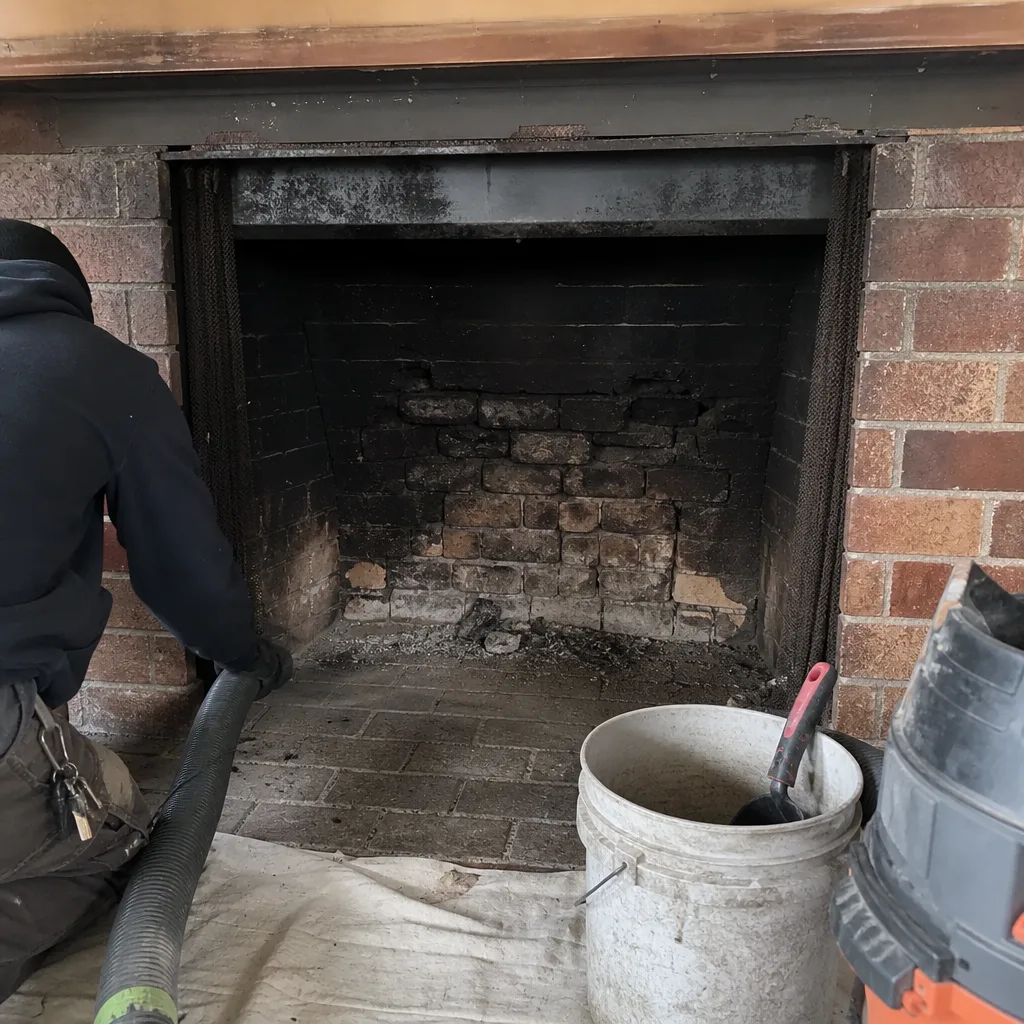 Before
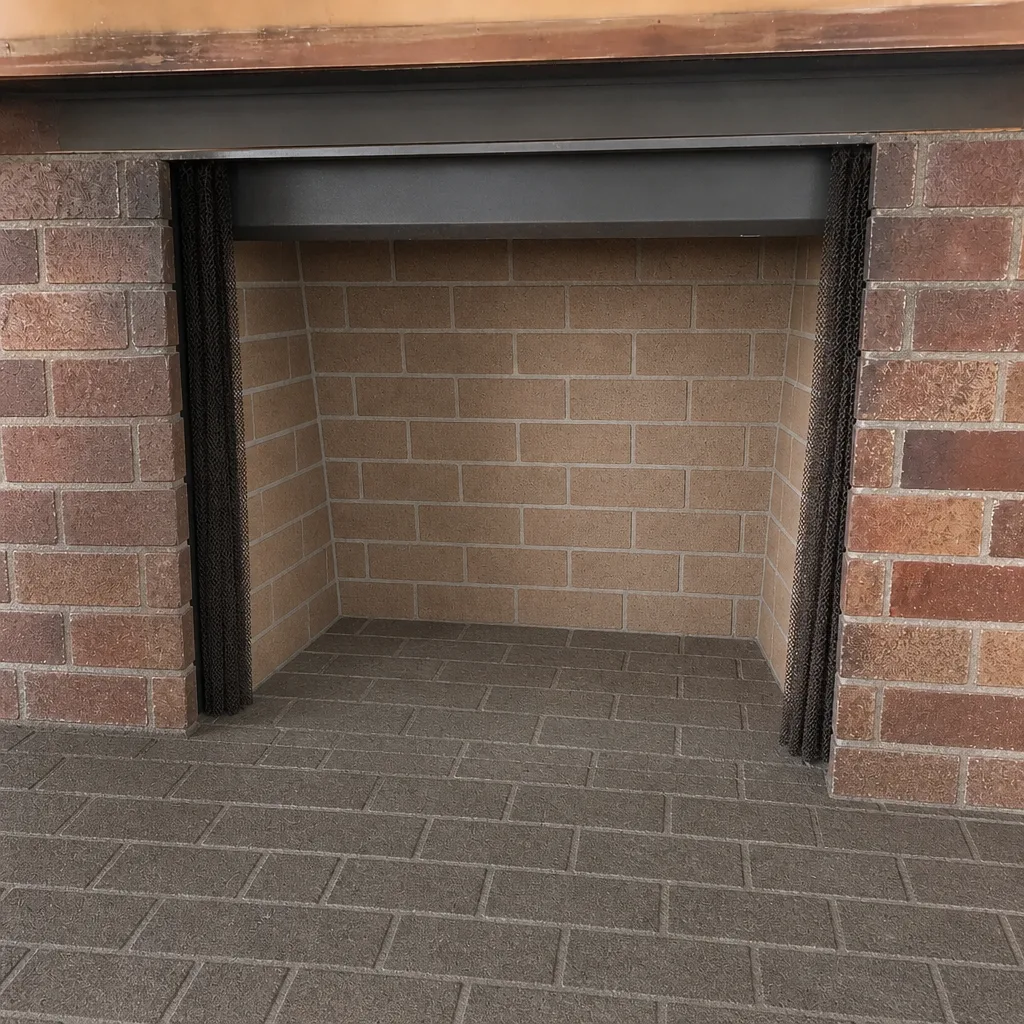 After
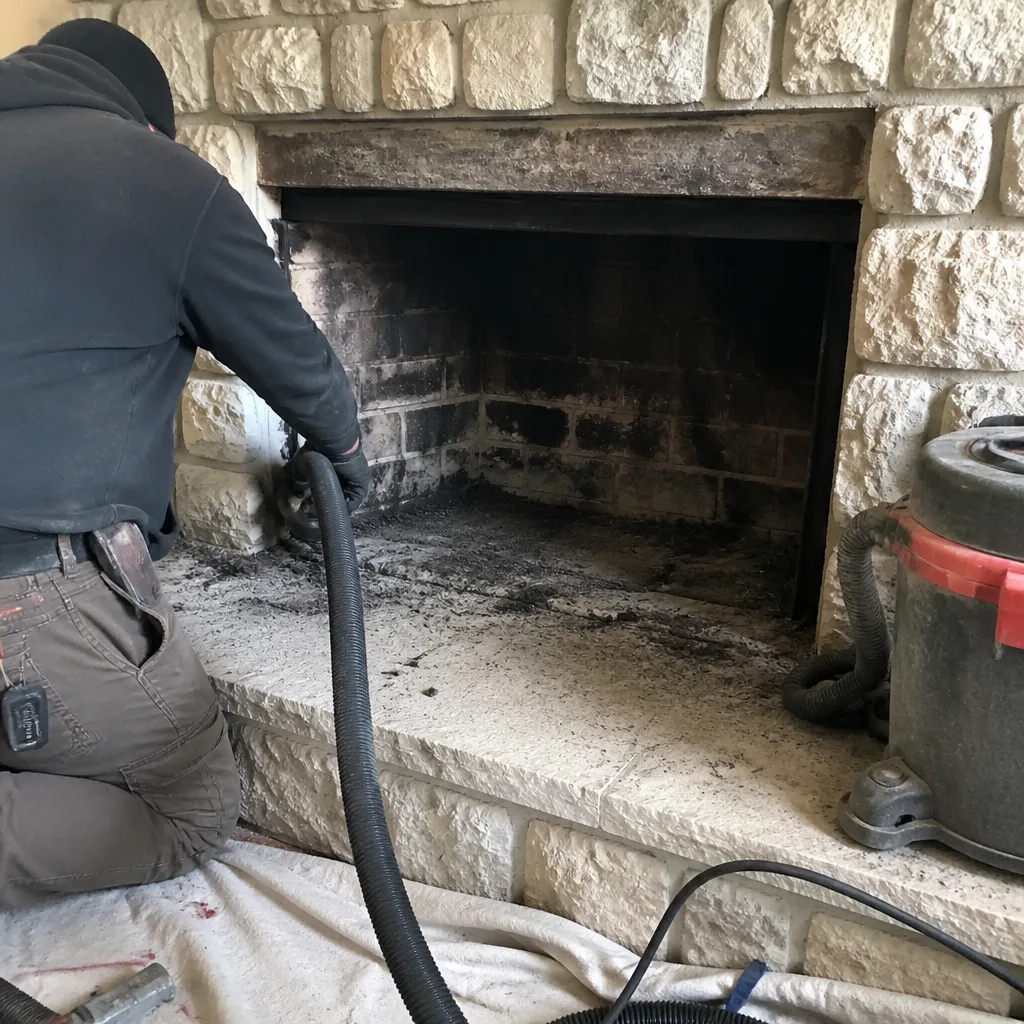 Before
 After
 Before
 After
When to Call a Professional
Call us when the inspection question is live. Selling a home, changing a gas insert, converting a wood fireplace, or dealing with the aftermath of a chimney fire all call for a Level 2 inspection with documentation. Call when a repair is proposed and you’re not sure whether a permit applies, because a professional who does this work routinely knows the answer for Spokane Valley and will say so before you commit. Call when you’re buying a house and want to know what’s inside the flue. Call for the routine sweep before the heating season starts, so problems surface while the weather cooperates. Bellmont Chimney Sweep offers free estimates. Call (844) 734-4138. We answer 24/7. Fast dispatch from 7am to 7pm, Sunday through Friday.
Frequently Asked Questions
No. Chimney cleaning is exempt from permits in Spokane Valley and in Washington generally, because it removes material from an existing flue without altering the structure. The same exemption covers inspections. If the sweep reveals damage that requires structural repair, that repair may need a permit. Call (844) 734-4138 for an exact quote. Estimates are free.
Relining, crown replacement or rebuild, firebox reconstruction, and any change to the venting system or the appliance it serves generally require a permit under Washington’s adopted building code. Cosmetic patching and like-for-like cap replacement on an existing crown usually don’t. When the answer isn’t clear, ask Spokane Valley’s building department directly and get their answer in writing.
A Level 2 inspection is required when a property is sold or transferred, when the appliance or fuel type changes, and after an event that may have damaged the chimney, such as a chimney fire. It covers accessible attic and crawlspace areas and includes a video scan of the flue. It produces a written report you can hand to a buyer or an insurer. Call (844) 734-4138 to book it. Estimates are free.
It can. An insurer assessing a claim after a flue failure will ask whether the work was done to code and permitted. Unpermitted work creates a gap in that record, and an insurer may treat it as the homeowner’s assumed risk. A permitted and inspected job produces the documentation that supports the claim. We can inspect existing work and document the condition so you have a baseline.
The timeline belongs to the building department that issues it, so we won’t quote you a number we don’t control. The process is a scope, an application, a review, and an inspection of the completed work. What we handle is the documentation that supports the application: the inspection report, the material specification, and photographs. Call (844) 734-4138 to get that started.
Keep the inspection report, the permit and inspection records, and the material specifications for any repair, naming the product and manufacturer. Photographs of the work before, during, and after are useful for both permit closeout and insurance. Keep the original records for any liner or insert that came with the house, too, since a later repair will be reviewed against what’s already installed.
The Bottom Line
The rule is simpler than it looks. Cleaning and inspection in Spokane Valley need no permit, and structural repair generally does. The complexity lives at the boundary: a sweep turns up a cracked flue, the crack calls for relining, and relining is permitted work that should have documentation behind it. Keep the inspection report, keep the permit and inspection records, and keep the material specifications for any repair, because those three documents answer the insurance question and the resale question when they arrive. If you’re facing a repair decision and want the paperwork side handled alongside the work itself, call (844) 734-4138 for a free estimate. We answer 24/7. Fast dispatch from 7am to 7pm, Sunday through Friday.
If you’re still working out which services apply to your home, start with our overview of Bellmont Chimney Sweep and the services we cover across Spokane Valley. Our technicians have up to 13 years of experience with the products that permitted work actually specifies, including Copperfield and Gelco components for caps and venting and DuraFlex liner systems for relining jobs.
Written by the team at Bellmont Chimney Sweep.