
Last updated November 15, 2026
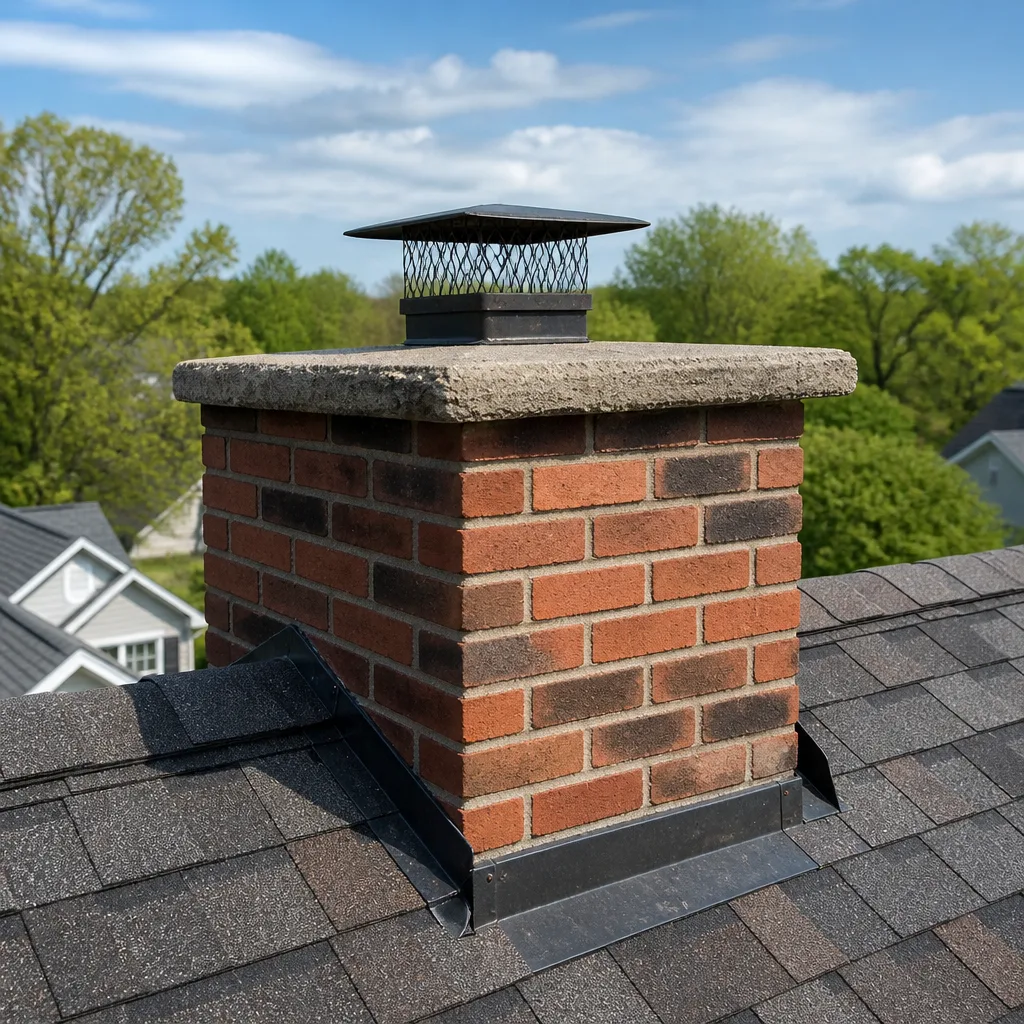 Sweep & inspection
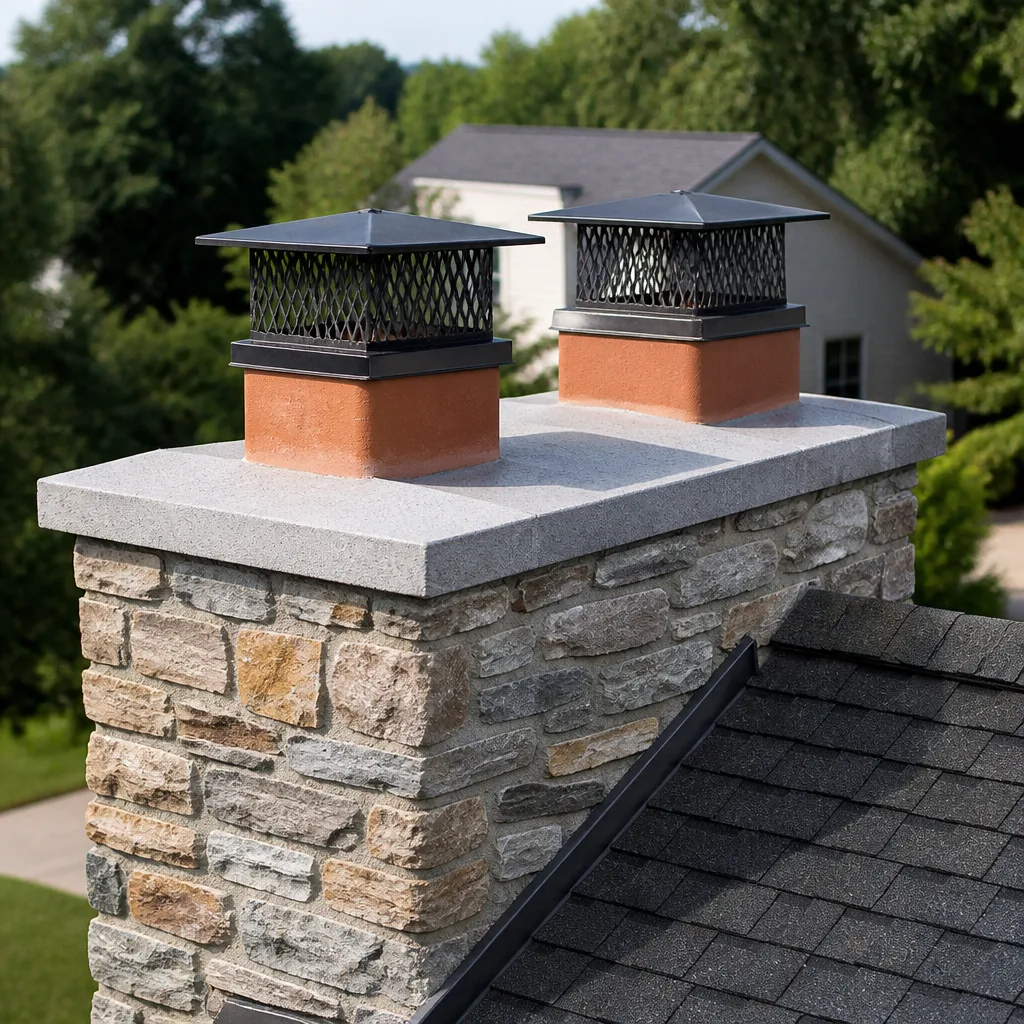 Caps & crowns
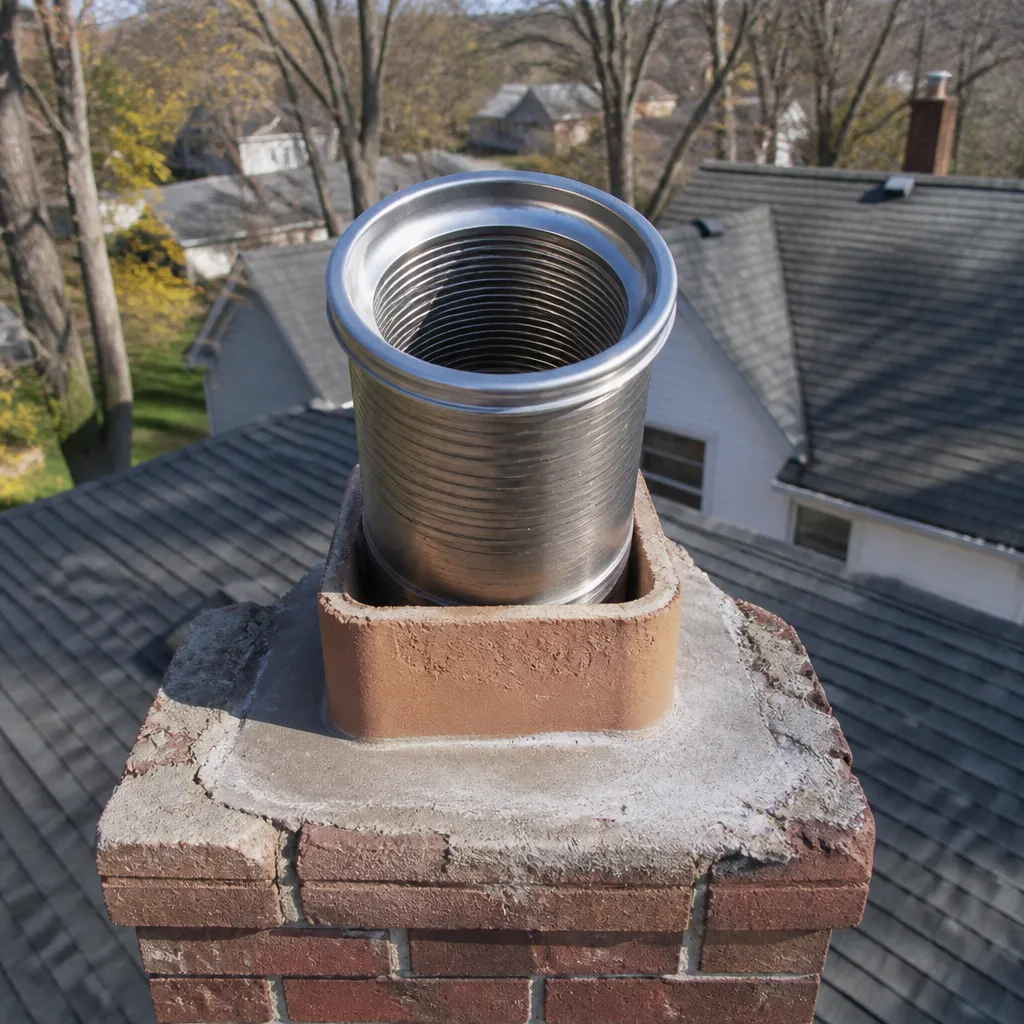 Flue relining
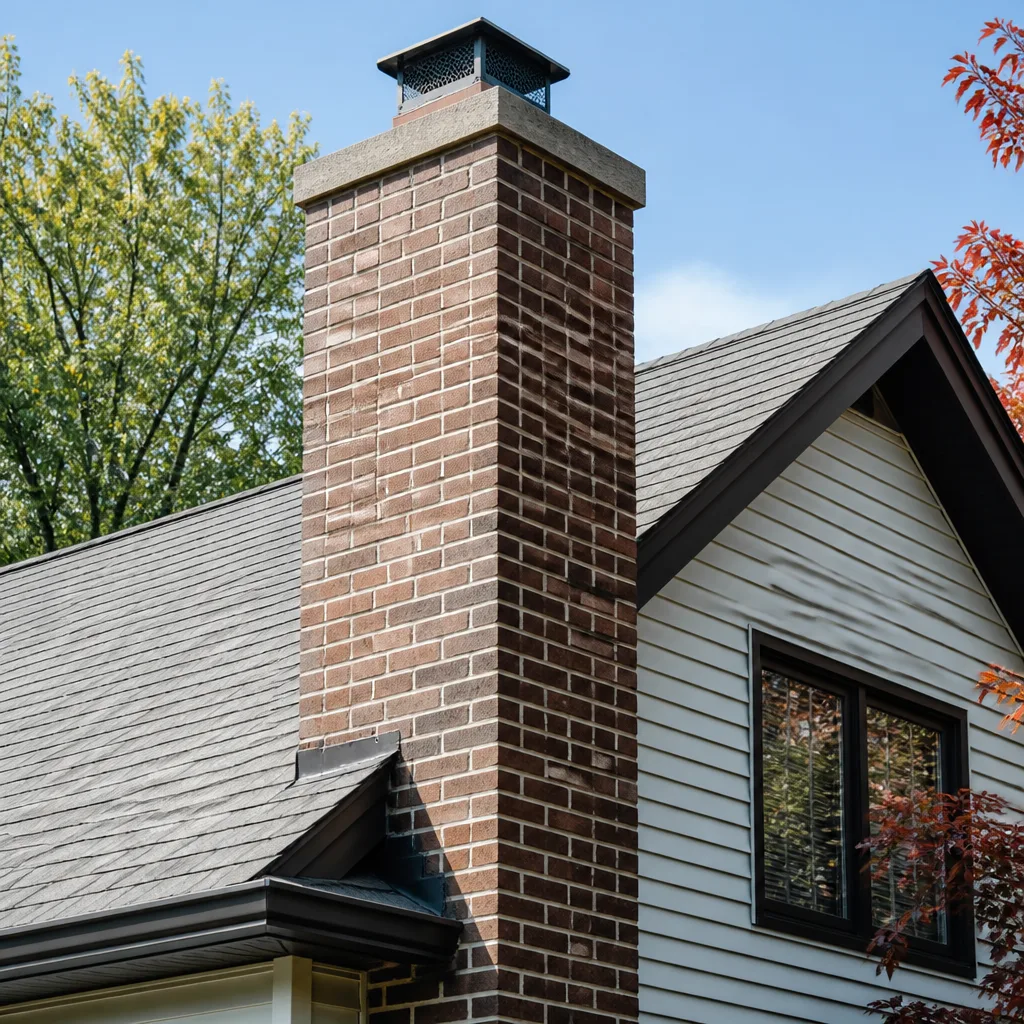 Masonry repair
 Gas fireplace service
Level 1 sweep and inspection to the NFPA 211 annual standard - flue, crown, cap, and flashing checked and photographed
Chimney sweep logs do not sweep chimneys. They loosen some creosote - which then falls where a brush and vacuum still have to collect it.
How to Hire a Chimney Cleaning Contractor in Spokane Valley: A Step-by-Step Guide
Washington State does not require a specific chimney sweep license. That single fact reshapes how you should shop for one. The company with the most Google reviews and the company that bought a brush kit last month are legally equivalent on paper, which means the sorting has to happen somewhere else: in credentials, in insurance specifics, and in what a contractor is actually set up to do once the sweep reveals a problem. This guide gives you a vetting framework you can run in about twenty minutes before you book anyone in Spokane Valley. You’ll learn what certifications actually verify, which insurance questions matter for chimney work, and how to read an estimate so you know what’s missing before you sign.
Quick Answer
To hire a chimney cleaning contractor in Spokane Valley, verify four things in this order: current CSIA or NFI credentials (and confirm they haven’t lapsed), general liability insurance that includes completed operations coverage, a service scope that reaches from sweeping into inspection and repair, and a written estimate with itemized line items and post-sweep documentation promised in writing. Price matters, but it’s the last filter, not the first. A contractor who passes all four can answer what happens after the sweep finds a cracked flue tile; one who fails any of them may hand you off to a second company mid-project.
Styles & brands we work with
- Sweep & inspection
- Caps & crowns
- Flue relining
- Masonry repair
- Gas fireplace service
Table of Contents
- Why Hiring a Chimney Sweep in Spokane Valley Is Harder Than It Looks
- What CSIA and NFI Credentials Actually Verify
- The Insurance Questions That Matter for Chimney Work
- Judging Service Scope: Sweep, Inspect, Repair
- Red Flags in Quotes and Flat-Rate Pricing
- How to Read a Written Estimate Line by Line
- What Post-Sweep Documentation You Should Receive
- The Step-by-Step Hiring Process
Why Hiring a Chimney Sweep in Spokane Valley Is Harder Than It Looks
Most home service trades in Washington are regulated at the state level through contractor registration and specialty licensing. Chimney sweeping sits in a gap. There’s no state-issued chimney sweep license, no minimum training hours, and no exam required to hang a shingle. That’s not a knock on the trade. It’s simply the regulatory reality, and it puts the entire vetting burden on you.
The practical consequence is a market with enormous range. At one end you have technicians who hold current CSIA certification, carry completed operations insurance, and can reline a flue. At the other you have general handymen who added “chimney sweep” to their service list because the equipment is inexpensive. Both may show up in a search for chimney cleaning in Spokane Valley, and both may have five-star reviews from customers who had no way to judge the technical work.
Reviews tell you whether someone was polite and on time. They don’t tell you whether the technician checked the smoke chamber, whether the inspection followed a recognized standard, or whether the company is insured for the specific failure mode that chimney work can create: a fire that starts after the technician leaves. Those are the things that matter, and they’re all verifiable if you know what to ask.
There’s a second layer of difficulty specific to this region. Spokane Valley winters are long and cold, and wood heating gets used hard for months at a stretch. That means creosote accumulates in ways that reward a contractor who understands staging, not just brushing. Choosing well here isn’t about finding the cheapest sweep. It’s about finding one whose capabilities match the actual condition of your system.
What CSIA and NFI Credentials Actually Verify
Two credentialing bodies come up repeatedly in this trade, and they verify different things. Knowing the difference keeps you from accepting a vague claim of “certification” as sufficient.
CSIA Certified Chimney Sweep
The Chimney Safety Institute of America runs a certification program that requires passing a proctored exam, adherence to a code of ethics, and renewal on a fixed cycle. What it verifies is baseline technical knowledge across sweeping, inspection, and venting fundamentals. It is the credential most commonly referenced in the trade, and it’s the one worth asking about first.
NFI Certification
The National Fireplace Institute certifies technicians by fuel and appliance category rather than as a single general credential. That specificity matters. If your home has a gas insert, an NFI gas specialist has been tested on gas appliance venting and installation standards. If you burn wood, the wood category applies. A contractor who holds NFI credentials in the relevant category has demonstrated knowledge of your specific appliance type, not just chimneys in general.
How to Confirm Credentials Are Current
A lapsed certification and an active one look identical in marketing copy. Both get printed on the website. Both get said on the phone. The difference only shows up when you check, and checking is straightforward:
- Ask for the technician’s name and certification number, not just the company name. Credentials belong to individuals, not businesses.
- Verify directly with the issuing body through their public credential lookup. Both CSIA and NFI maintain searchable directories.
- Check the expiration or renewal date, not just the existence of the record.
- Ask whether the person who will actually be at your home holds the credential, or whether it belongs to someone else at the company who won’t be present.
That fourth question catches more problems than the first three combined. A company can legitimately advertise that it employs certified technicians while sending an uncertified helper to do the work. Asking who’s coming, and what they hold, closes that gap. Our technicians have up to 13 years of experience, and the credential check is something we welcome because it’s the only way a homeowner can tell companies apart in a state that doesn’t do it for them.
The Insurance Questions That Matter for Chimney Work
Asking “are you insured?” gets you a yes from nearly everyone. It’s the wrong question, because it doesn’t distinguish between the two coverages that matter and the one that sounds impressive but does nothing for you.
General Liability Is Necessary but Not Sufficient
General liability covers bodily injury and property damage during operations. If a technician drops a brush on your roof or knocks over a lamp, general liability responds. Important, and you should confirm it exists. But chimney work has a delayed-failure profile that general liability doesn’t address.
Completed Operations Coverage Is the One to Ask About
Completed operations coverage handles claims arising from work after it’s finished and the technician has left. This is the coverage that matters for chimney work, because the failure modes are slow. A flue liner that wasn’t seated correctly, a cap installed without proper clearance, a masonry repair that doesn’t bond: none of these announce themselves on the day of service. They show up weeks or months later, and if your contractor carries general liability only, there may be no coverage in place when the problem surfaces.
Ask the question in plain language: “Does your policy include completed operations coverage?” Then ask for a certificate of insurance. A legitimate contractor can produce one without difficulty. What you’re looking for on that certificate is the coverage type listed, an active policy period, and a general liability limit that isn’t so low it’s effectively ornamental.
Workers’ Compensation
If a technician is injured on your property and the company doesn’t carry workers’ comp, the exposure can follow you as the property owner. Confirm it independently of the liability question. These are separate policies and one doesn’t imply the other.
Judging Service Scope: Sweep, Inspect, Repair
Here’s where most hiring decisions go wrong, and it has nothing to do with credentials. A sweep-only contractor and a full-scope chimney company can both pass the certification and insurance checks. The difference shows up the moment the sweep reveals something that needs fixing.
Sweeping is the entry point. The inspection is where the real information comes from. Repair is what protects the system long term. A contractor who only does the first two will hand you off to someone else for the third, and mid-project handoffs are where accountability gets murky. The contractor who did the inspection can say the work wasn’t needed, or was done wrong, and the contractor doing the repair can say the inspection missed something. You end up in the middle.
When you’re evaluating scope, ask specifically:
- Does the company perform inspections at a recognized standard, and do they produce a written report?
- Can they reline a flue, or do they subcontract it? Relining is the capability that separates a sweep from a chimney specialist.
- Can they resurface a damaged flue rather than only replacing it? HeatShield restoration capability is a useful signal here because it requires both the product system and the training to apply it correctly.
- Do they install caps and chase covers, or only clean around existing ones? Gelco and Famco components are the kind of professional-tier materials that show up when a company does this work routinely.
- Do they handle liner systems from recognized manufacturers such as DuraFlex, or install whatever’s available?
A single company that sweeps, inspects, and repairs means the technician who identifies the problem is part of the same team that fixes it. That’s Bellmont Chimney Sweep‘s structure, and it’s the reason we can tell a homeowner plainly when work can safely wait. There’s no second contractor to hand you to, and no reason to find work that isn’t there.
Red Flags in Quotes and Flat-Rate Pricing
Chimney sweeping looks like a commodity, which is why flat-rate pricing is so common and so misleading. A price quoted before anyone has seen your appliance, your liner, or your creosote buildup isn’t a price. It’s a guess, and it’s usually a low guess designed to get the truck to your door.
The variables that move the real cost are the ones a phone quote can’t see:
- Appliance type. A wood-burning fireplace, a gas insert, and an oil or gas furnace flue each require different handling and different inspection focus.
- Liner condition. A smooth, intact liner sweeps cleanly. A deteriorated or unlined flue requires more care and often more time.
- Creosote staging. Creosote ranges from light soot to glazed, tar-like deposits that resist standard brushing. The stage determines the method, and the method determines the price.
- Access and configuration. A straight run from the firebox is faster than a flue with offsets, and roof access varies by home.
- Number of flues. A chimney serving both a fireplace and a furnace has more than one flue, and each needs attention.
Watch for these red flags in a quote:
- A firm price given before the technician has seen the appliance or the flue.
- A quote that doesn’t ask what you burn or how often. That question is the first thing a real technician asks.
- Upselling to a liner replacement immediately, with no camera evidence offered.
- A price significantly below the local range with no explanation of what’s included.
- No written estimate at all, only a verbal number.
- Pressure to decide on the spot, especially on repair work.
For an accurate baseline on what chimney sweep work runs in this market, get the estimate in writing and read it before you commit. The written estimate sets the final price, and a contractor who won’t put it in writing is telling you something.
How to Read a Written Estimate Line by Line
A written estimate is the clearest window into how a company operates. The line items tell you what they’ll actually do, and the absences tell you what they’ve left out. Here’s what a complete estimate should contain.
Line Items That Should Appear
- The sweep itself, described by method rather than just “chimney cleaning.”
- The inspection level, named specifically rather than implied.
- Any additional flues listed separately, with a price for each.
- Repair or restoration work, if recommended, with the product system named. HeatShield resurfacing and DuraFlex liner installation should be identified as such, not described as “flue repair.”
- Materials called out, particularly caps, chase covers, and venting components. Gelco and Famco parts are named products, and the estimate should name them too.
- Documentation promised: an inspection report, photos, and written recommendations.
What the Absences Signal
An estimate that reads “chimney sweep: $X” with nothing else tells you the inspection isn’t separate from the sweep and the documentation isn’t promised. That’s a cleaning, not an assessment. You’ll get a clean flue and no information about its condition. An estimate that recommends a repair without naming the product or offering camera evidence tells you the recommendation came before the diagnosis. Neither is fatal, but both are worth asking about before you book.
The estimate should also say clearly what’s included and what isn’t, and whether the price is firm or conditional on what the technician finds. A conditional estimate with a clear structure is more trustworthy than a fixed number pulled from the air.
What Post-Sweep Documentation You Should Receive
Sweeping without documentation is a service you can’t verify. You paid for a clean flue and an assessment; the assessment is the part you can’t see yourself, which is exactly why it needs to be in writing.
Ask before you book what you’ll receive afterward. A complete package includes:
- A written inspection report describing the condition of the flue, firebox, smoke chamber, damper, and cap, using recognized inspection levels.
- Photographs of anything flagged, so you can see the condition yourself rather than taking it on faith.
- Repair recommendations in writing, separated into what should be addressed now and what can safely wait.
- Camera inspection results where the flue condition warrants it, since video from inside the flue shows what a visual check from the firebox cannot.
That third item is the one homeowners value most and get least often. A contractor who tells you, in writing, that a repair can wait until next season is a contractor giving you information, not a sales pitch. If a recommendation arrives without photos or camera evidence you can look at yourself, ask for them. Wherever you are in Spokane Valley, the right answer is an inspection report you can verify, not a verbal summary on the way out the door.
The Step-by-Step Hiring Process
Here’s the whole framework in sequence, from first search to signed estimate. Work through it in order and you’ll have a clear decision without needing to rely on star ratings alone.
Step 1: Define what you need swept
Identify your appliance first: wood-burning fireplace, gas insert, or a furnace flue. If your chimney serves more than one, note it. This one detail shapes who qualifies for the job.
Step 2: Screen for credentials before you call
Look for CSIA certification and NFI credentialing in the relevant appliance category. Confirm the technician who will arrive holds them, and check the public directory for current status. This step takes five minutes and eliminates most of the field.
Step 3: Confirm insurance specifics
Ask for completed operations coverage by name, plus workers’ comp. Request the certificate. This is a phone or email question, not something to raise on the day.
Step 4: Establish service scope
Ask whether the company performs relining and resurfacing in-house or subcontracts them. A company that does both is set up to solve what the inspection finds.
Step 5: Request a written estimate
Get it in writing before booking, with line items itemized by flue and any recommended repair named by product. Read it against the lists above.
Step 6: Ask what documentation follows the sweep
Confirm the inspection report, photos, and written recommendations before the appointment, not after. If they’re not part of the standard process, that’s a scope gap.
Step 7: Schedule the work
Once the four filters pass and the estimate reads clean, book with confidence. If any filter fails, move to the next company. There’s no shortage of them in this market, and only some are set up to do the whole job.
For a fuller picture of what a scheduled sweep involves, our chimney sweep service page walks through the appointment start to finish, and the chimney repair page covers how findings turn into repairs when they’re needed.
Common Mistakes to Avoid
- Hiring on reviews alone. Star ratings measure politeness and punctuality, not technical competence. A company with a thin review count and proper credentials can be the better hire.
- Accepting “certified” without checking. Certifications lapse. Ask for the technician’s name and number, then verify through the issuing body’s directory. It’s a two-minute check.
- Stopping at general liability. Chimney failures are often delayed, so completed operations coverage is the question that actually protects you. Ask for it by name.
- Choosing a sweep-only contractor for a system that needs repair. If the inspection finds a liner problem, you want the same company that found it to fix it. Mid-project handoffs blur accountability.
- Ignoring the appliance question in a quote. A contractor who quotes a flat rate without asking what you burn isn’t pricing your job. They’re pricing a generic one.
- Skipping the written estimate. Verbal numbers can’t be compared and can’t be relied on. Insist on paper before booking.
- Not asking for the inspection report. The report is the deliverable you actually need. Sweeping the flue without documenting its condition leaves you exactly where you started.
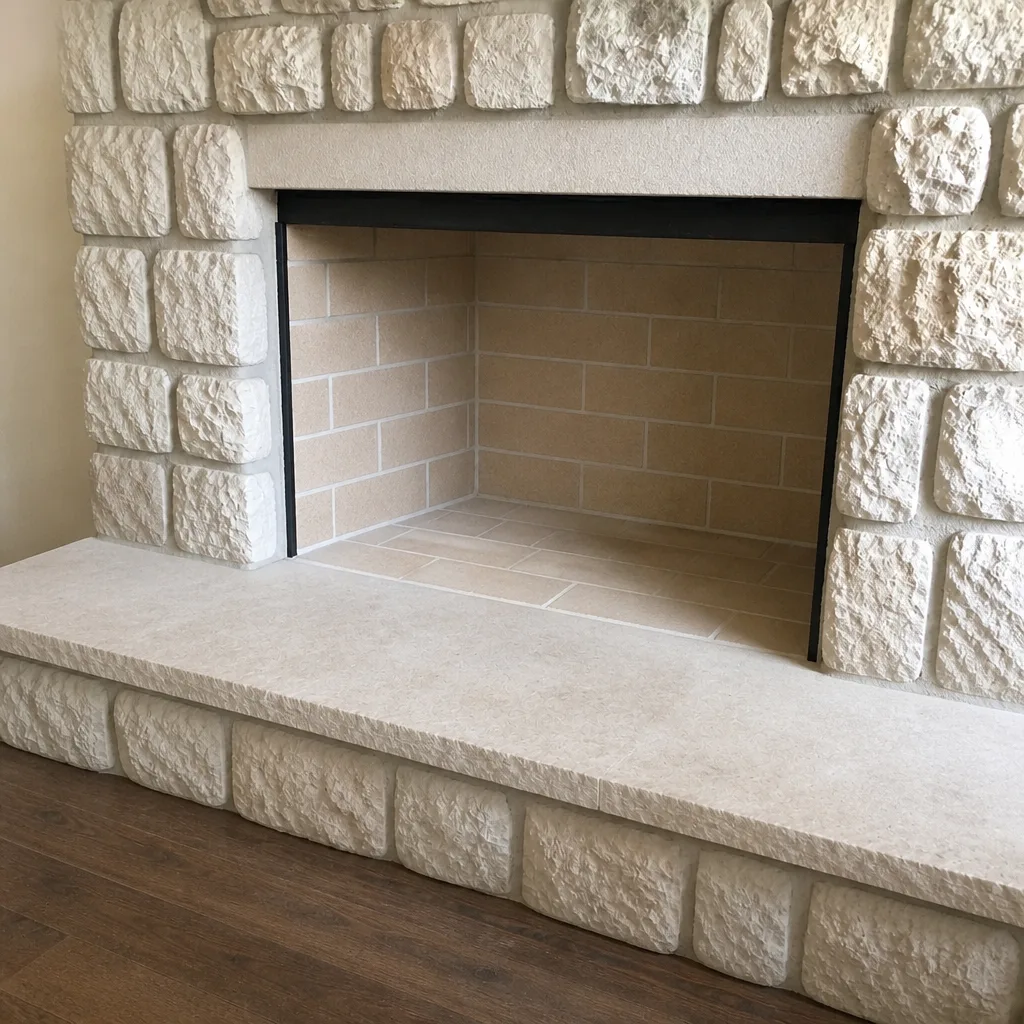
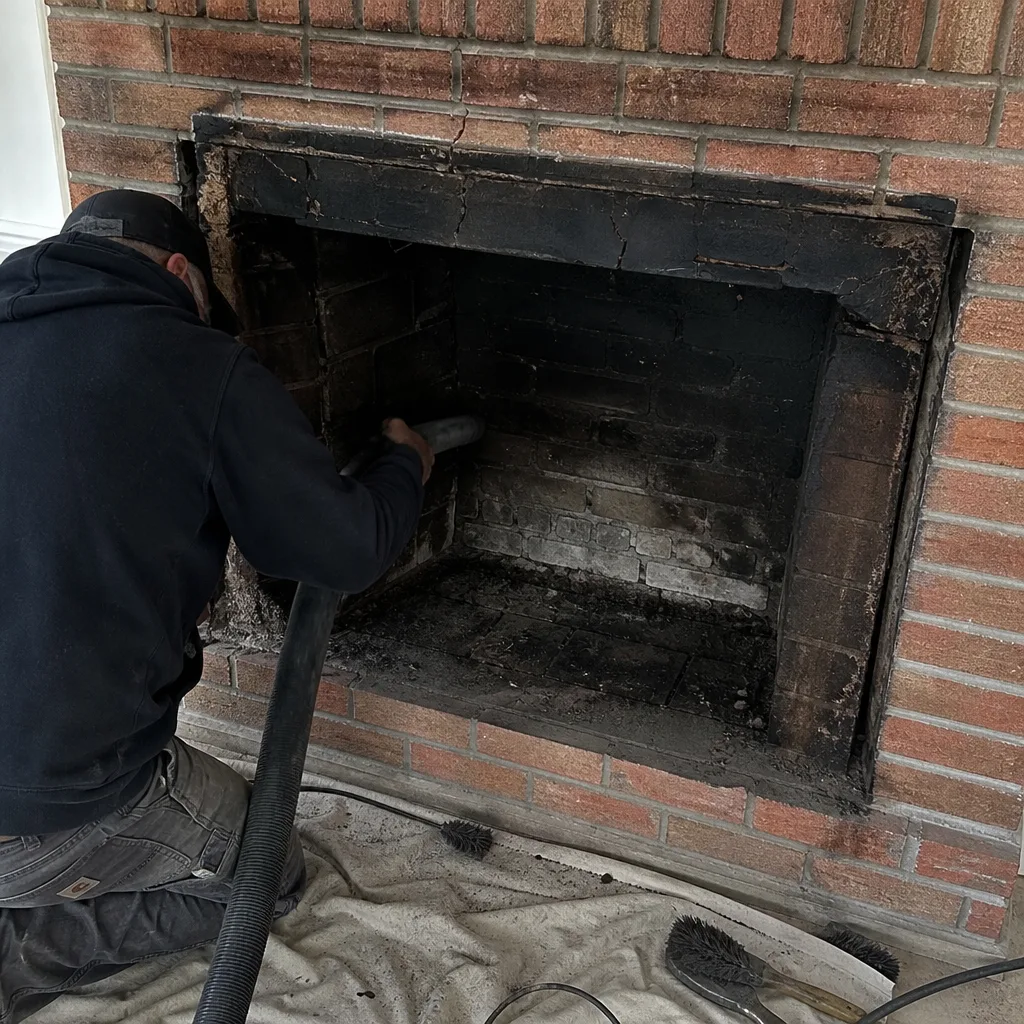
See the difference
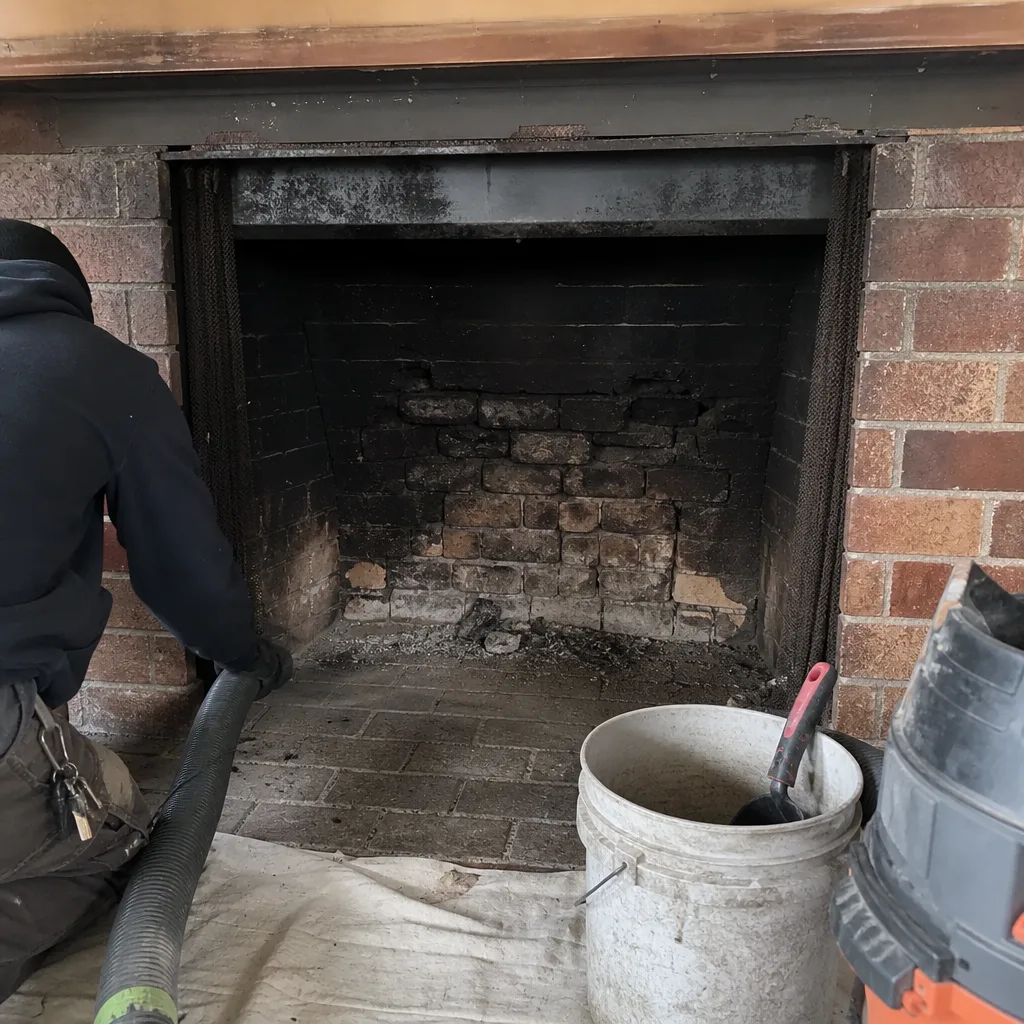 Before
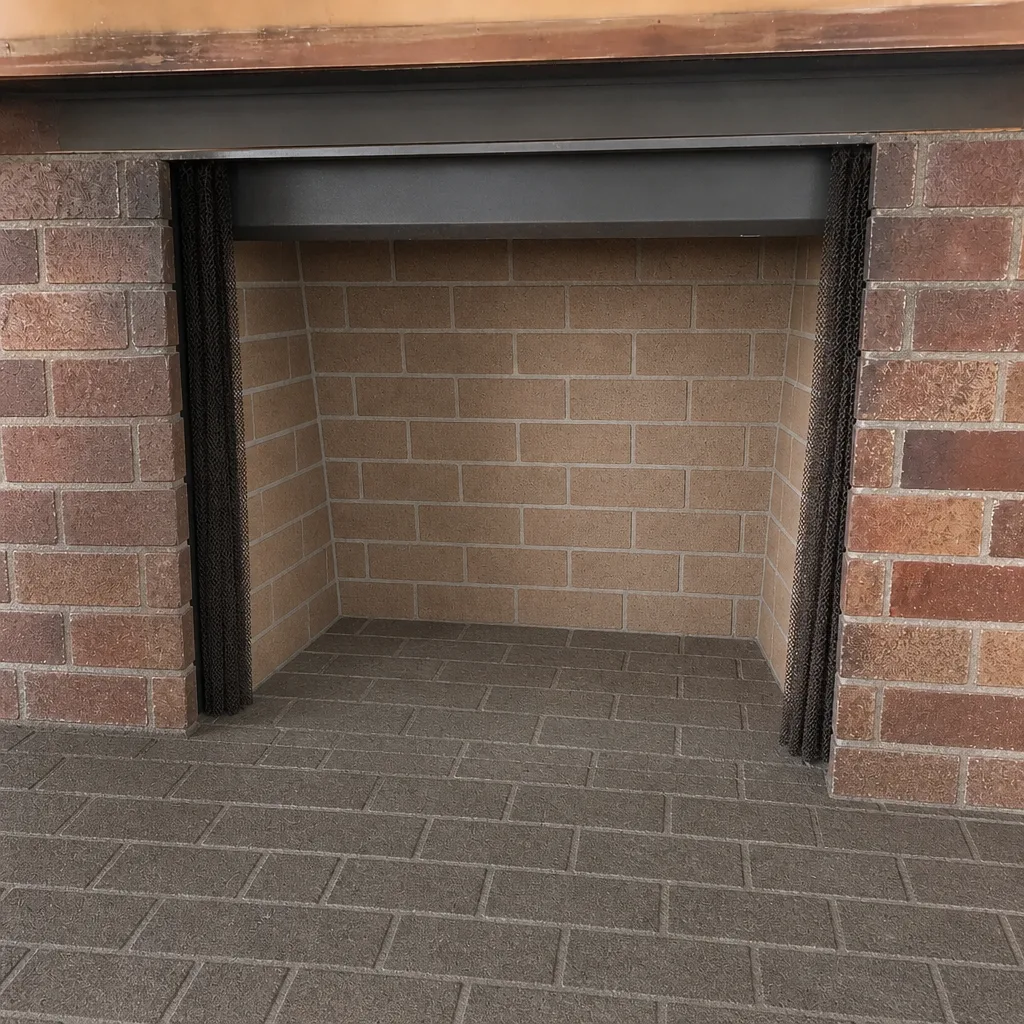 After
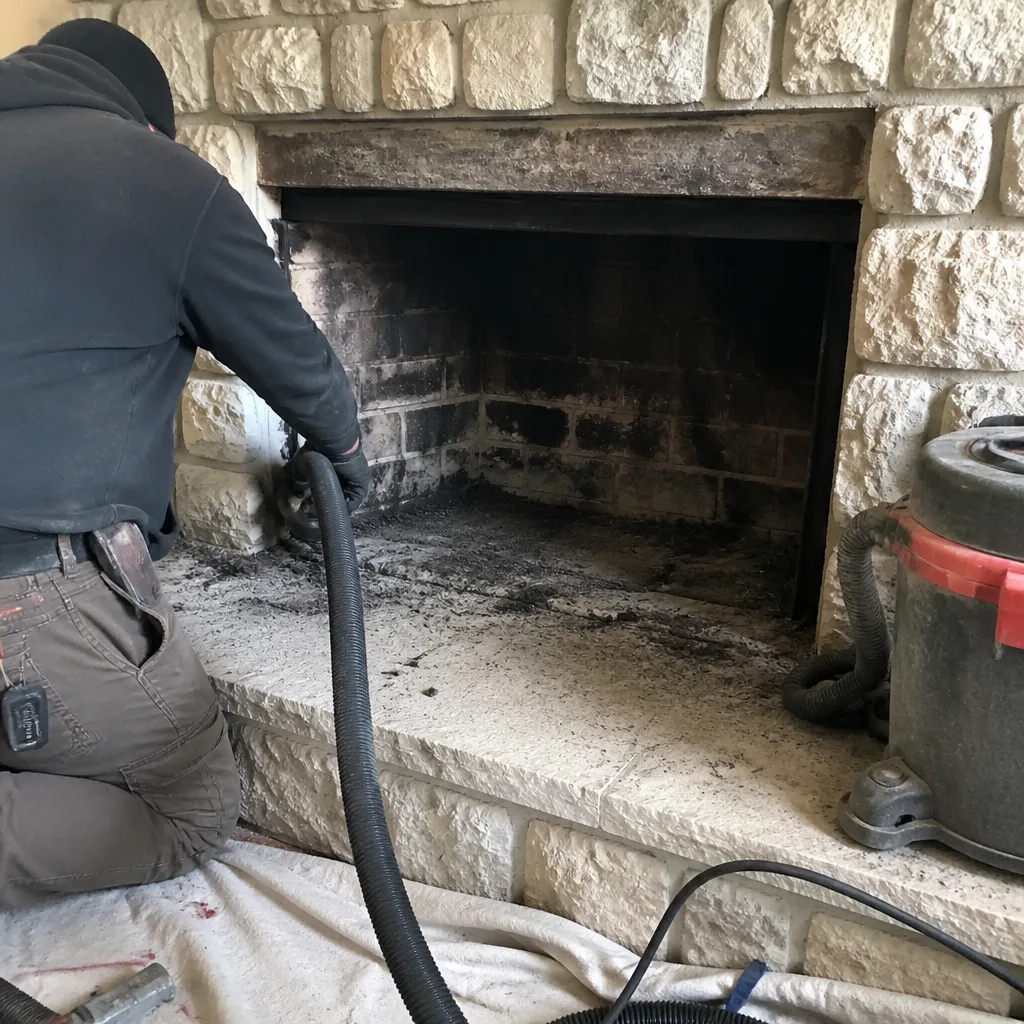 Before
 After
 Before
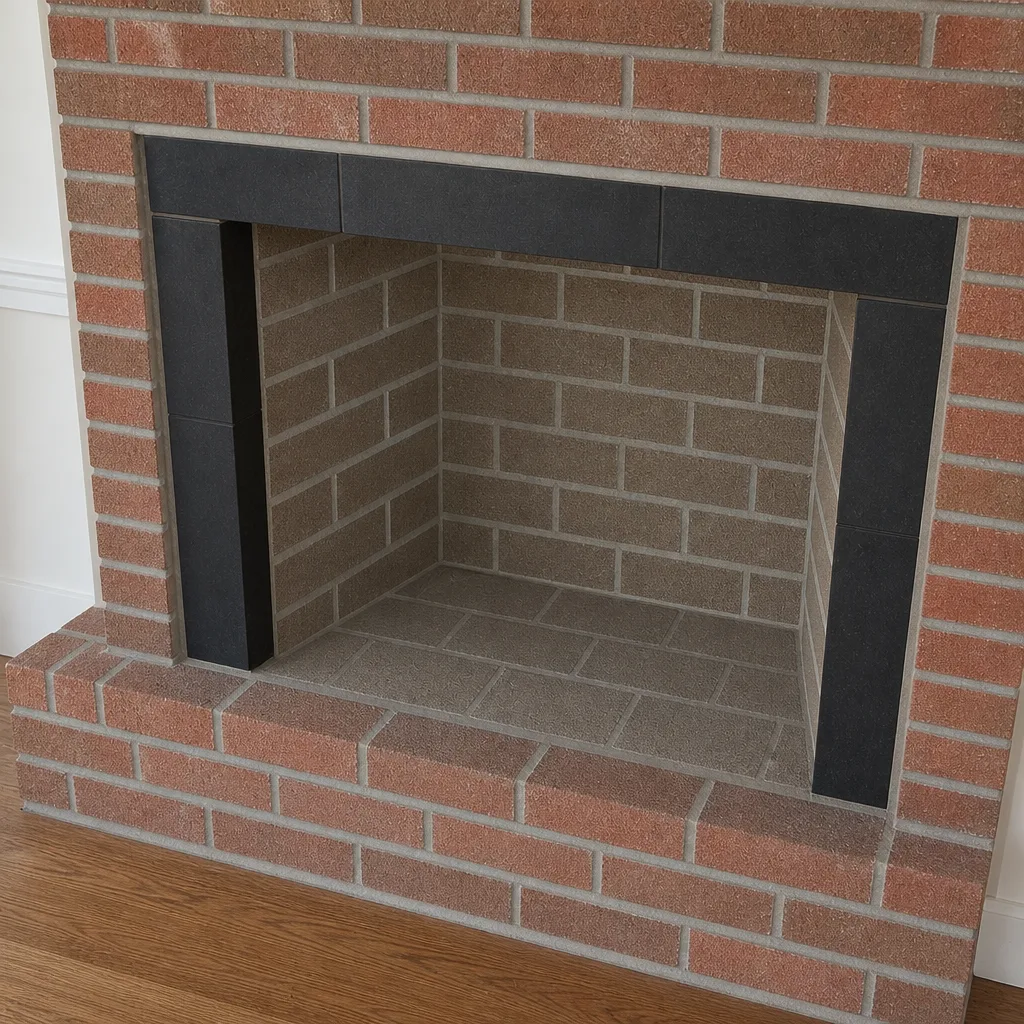 After
When to Call a Professional
Some of this you can assess yourself: visible soot staining on the firebox, a strong odor from the chimney on warm days, a damper that doesn’t close cleanly. Others warrant a call. Smoke backing into the room, a cracking sound from the chimney structure, or visible damage to the masonry are all reasons to stop using the system and have it inspected. Annual sweeping is the baseline most households with a wood-burning fireplace should follow, timed before the heating season so any repair can happen before cold weather sets in. Gas inserts and furnace flues also benefit from periodic inspection even though the creosote load is different.
Bellmont Chimney Sweep offers free estimates in Spokane Valley. Our technicians have up to 13 years of experience, we work with DuraFlex and HeatShield systems for liner and restoration work, and we handle sweep, inspection, and repair under one roof. Call (844) 734-4138. We answer 24/7. Fast dispatch from 7am to 7pm, Sunday through Friday.
Frequently Asked Questions
You check credentials directly, since Washington State doesn’t license chimney sweeps. Ask for the technician’s CSIA certification number and any NFI credentials in your appliance category, then verify current status through the issuing body’s public directory. Confirm the technician who will actually arrive holds them. Call (844) 734-4138 for a free estimate from a company that welcomes the check.
No. Washington State does not require a specific chimney sweep license, which means regulatory oversight doesn’t separate a qualified specialist from an unqualified one. That’s why certification verification and insurance questions carry the weight they do here. Credentials and coverage are the substitute for a license check. Call (844) 734-4138 for a free estimate.
CSIA certification verifies broad technical knowledge across sweeping, inspection, and venting fundamentals, with a proctored exam and mandatory renewal. NFI certifies by appliance category, so an NFI gas specialist has been tested specifically on gas appliance venting. For a gas insert, both matter; for a wood fireplace, CSIA plus the wood category is the relevant combination.
Because chimney failures often appear weeks or months after the technician leaves. Completed operations coverage responds to claims arising from finished work. General liability covers injuries and damage during the job, but if the coverage doesn’t extend to completed operations, there may be nothing in place when a liner or masonry problem surfaces later. Ask for it by name and request the certificate.
Yes, and you should confirm it before booking. A complete package includes a written report describing the flue, firebox, smoke chamber, and cap condition, photographs of anything flagged, and repair recommendations separated into what should happen now and what can wait. Call (844) 734-4138 for a free estimate and we’ll tell you exactly what documentation comes with the appointment.
Ask for camera evidence and photos you can see yourself. A relining recommendation without visual inspection inside the flue is a guess, not a diagnosis. A contractor working with DuraFlex liner systems or HeatShield resurfacing should be able to show you the condition that justifies the recommendation, and should say plainly when work can wait.
The Bottom Line
Hiring a chimney contractor in Spokane Valley comes down to four checks, in order: current CSIA or NFI credentials for the technician who’ll arrive, insurance that includes completed operations coverage, a service scope reaching from sweeping through inspection into repair, and a written estimate with itemized line items and documentation promised in writing. Price is the last filter, not the first. Companies that pass all four can tell you what happens after the sweep finds something; companies that fail hand you off to someone else mid-project. For a scheduled sweep with a camera inspection and a photo report, call (844) 734-4138 for a free estimate. You’ll get straight answers about what your chimney needs and what can safely wait.
Written by the team at Bellmont Chimney Sweep.