
Last updated November 15, 2026
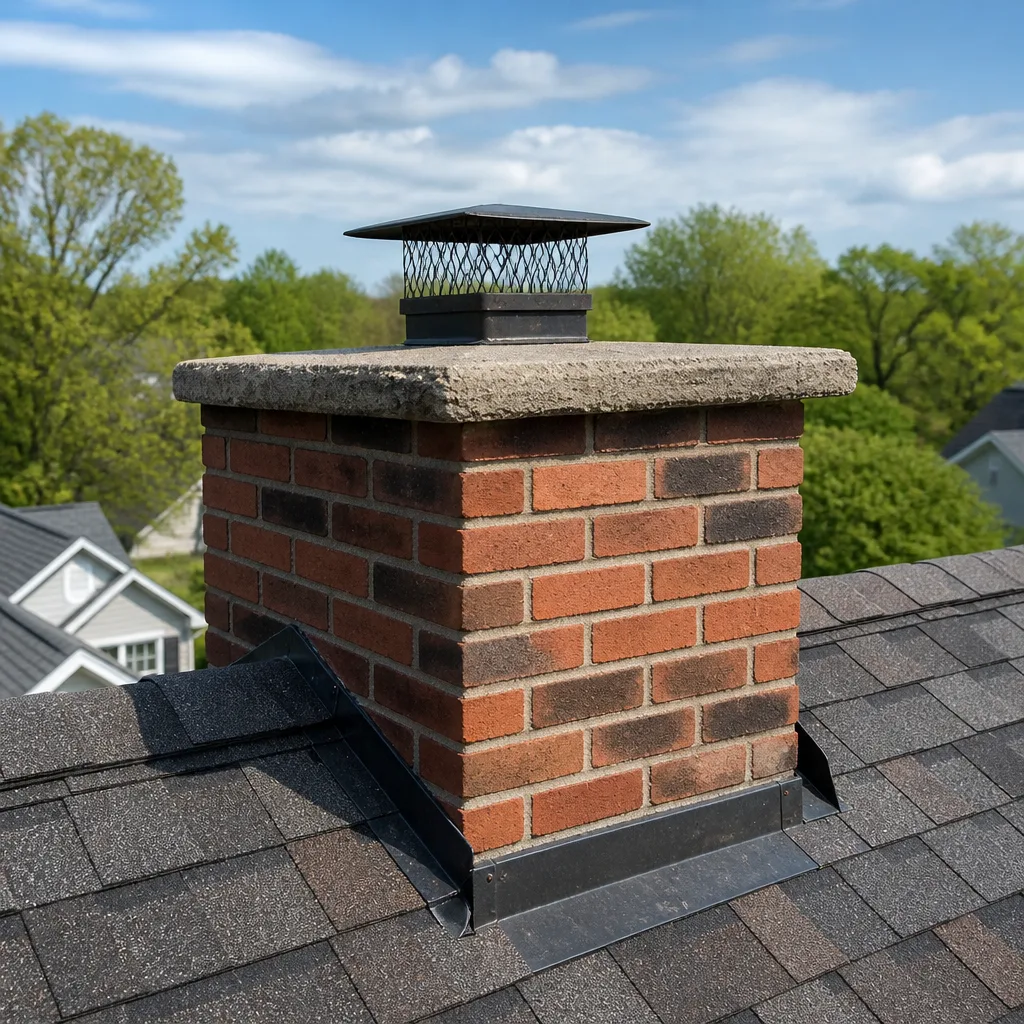 Sweep & inspection
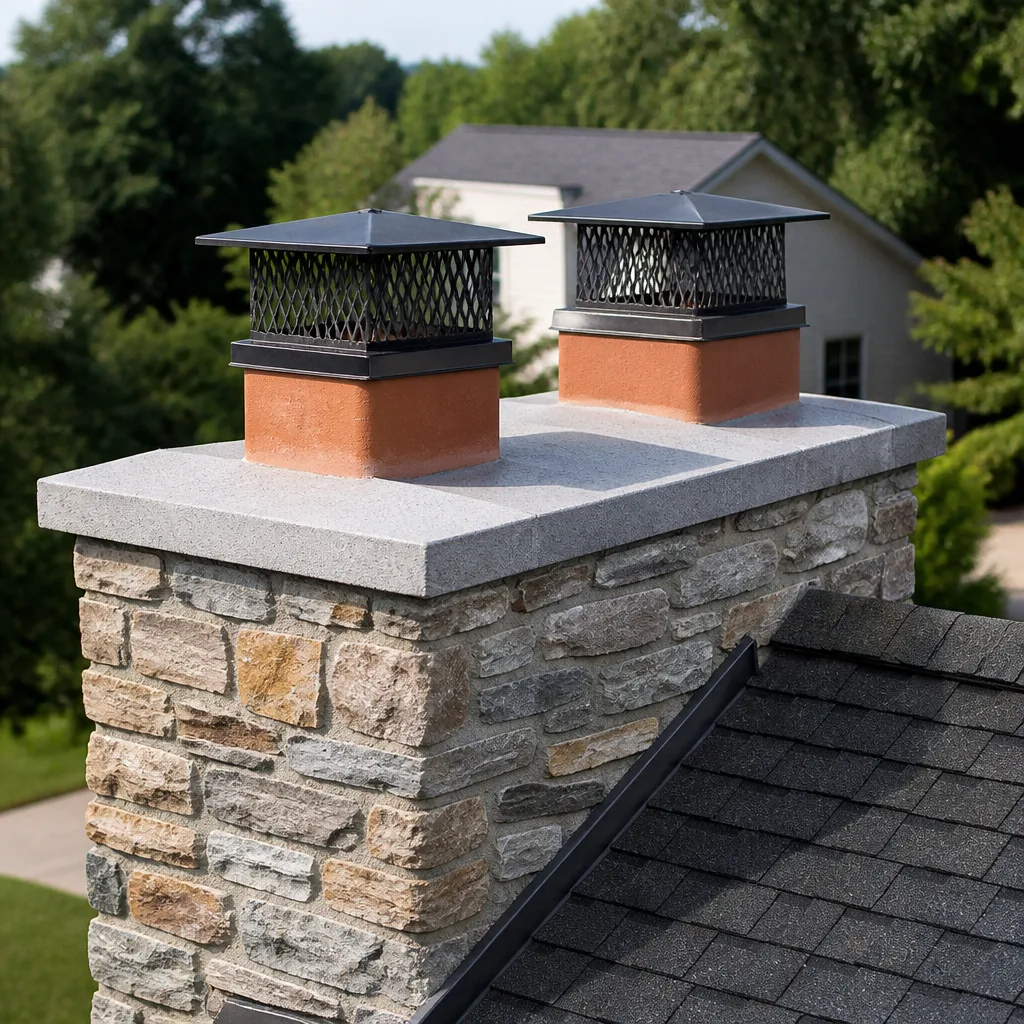 Caps & crowns
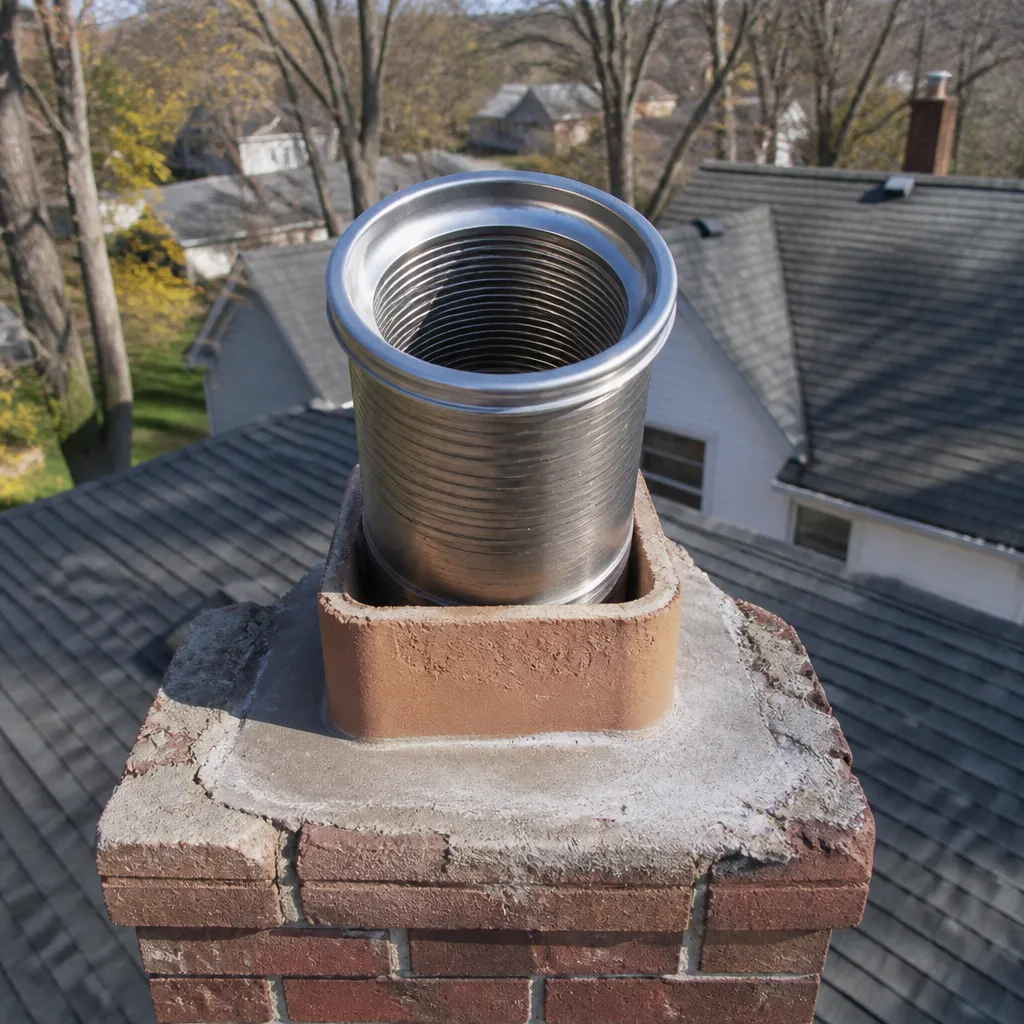 Flue relining
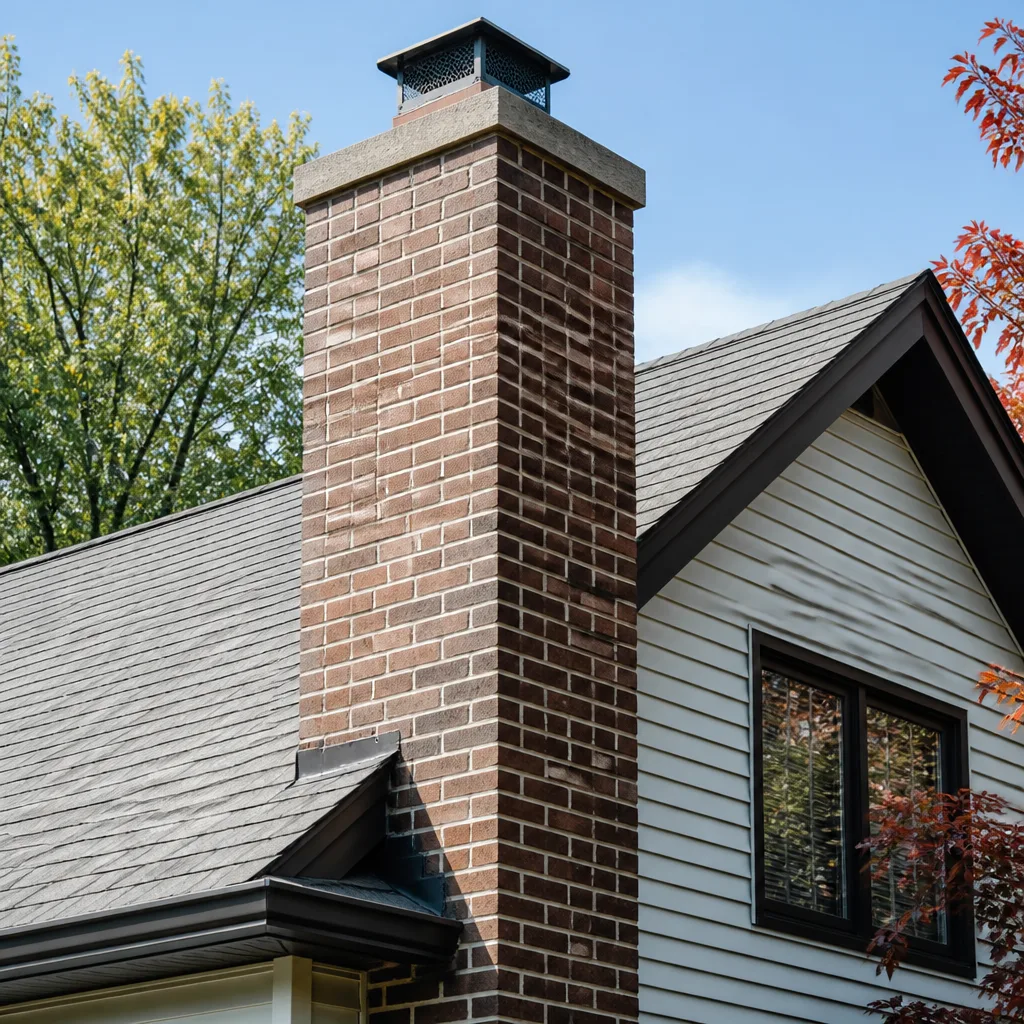 Masonry repair
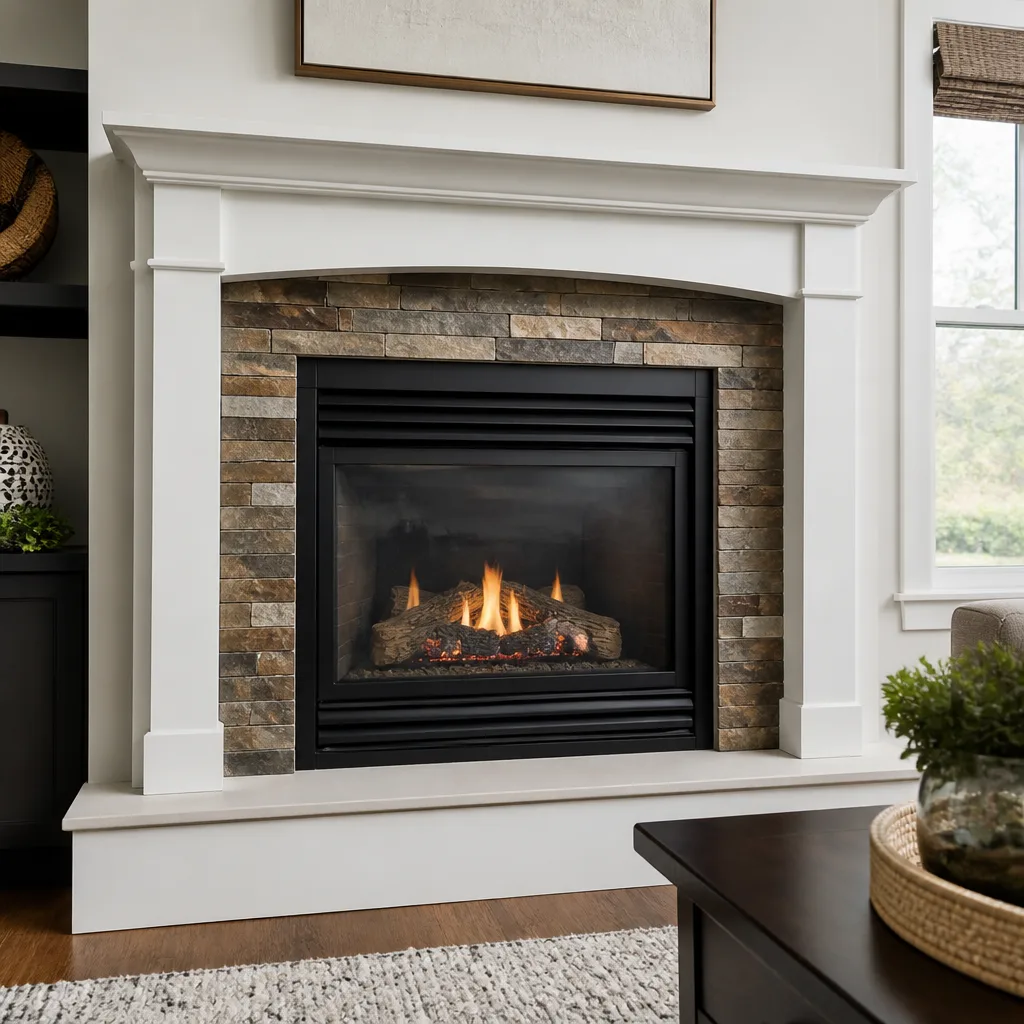 Gas fireplace service
Level 1 sweep and inspection to the NFPA 211 annual standard - flue, crown, cap, and flashing checked and photographed
Chimney sweep logs do not sweep chimneys. They loosen some creosote - which then falls where a brush and vacuum still have to collect it.
Chimney Sweep Maintenance Checklist for Spokane Valley Homeowners
The standard “clean once a year” rule comes from an era when most homes burned only seasoned hardwood in open fireplaces. That rule doesn’t map cleanly onto the mix of heating appliances sitting in Spokane Valley homes today. A cord-wood masonry fireplace, a factory-built unit with a glass front, a wood stove on a lined flue, a gas insert, and a pellet stove each wear down on different schedules, and burying them under one annual instruction leads to two opposite failures: spending money on unnecessary visits for the gas insert and missing the mid-season check the pellet stove actually needs. This guide separates the checklists by appliance type, gives honest frequencies, and explains the owner-visible checkpoints you can watch between professional visits.
Quick Answer
Your chimney maintenance schedule depends on what you burn. A masonry wood fireplace in Spokane Valley needs a professional sweep roughly once a year of active burning, a gas insert needs an annual inspection and cleaning even without soot, and a pellet or wood stove may need attention twice a season. Every appliance benefits from a late-September appointment before heating season starts, and every homeowner should check the firebox, damper, and crown between visits.
Styles & brands we work with
- Sweep & inspection
- Caps & crowns
- Flue relining
- Masonry repair
- Gas fireplace service
Table of Contents
- Why the One-Rule Approach Fails in Spokane Valley
- The Masonry Fireplace Checklist
- The Factory-Built Fireplace Checklist
- The Wood Stove Checklist
- The Gas Insert and Pellet Stove Checklists
- Owner Checkpoints: Firebox, Damper, and Crown
- Seasonal Timing Logic for Spokane Valley
- Component Lifespans: Liners, Caps, Dampers, and Crowns
- How to Document Your Maintenance History
Why the One-Rule Approach Fails in Spokane Valley
Spokane Valley sits in a basin where cold air settles against the surrounding hills, and that matters for how your chimney performs. An inversion holds smoke and exhaust low on many winter mornings, so a flue that drafts weakly on a cold, still day can back smoke into the room even when the chimney is only modestly dirty. That’s one reason a cleaning schedule alone isn’t enough. You also need to know whether the chimney drafts properly, and that depends on the appliance, the flue, and the weather.
The second reason the one-rule approach fails is that creosote builds at very different rates depending on what you burn and how you run the fire. A fireplace burned with dry, seasoned cord wood and a hot fire produces far less of the sticky, tar-like glaze than a stove that’s regularly dampered down for a slow overnight burn. Gas and pellet appliances don’t produce creosote at all, but they still accumulate dust, debris, and combustion byproducts that clog a flue and reduce efficiency.
In our experience, the homeowners who get the most value from a chimney sweep in Spokane Valley are the ones who know which category their appliance falls into and book accordingly. They’re not paying for the same annual visit whether they have a fireplace or a pellet stove. They’re matching the maintenance to the equipment.
Start by identifying your appliances. Walk through the house and inventory every flue: the living room fireplace, the wood stove in the basement, the gas insert in the den, the furnace flue if you have one. Each is a separate system with its own schedule. Once you know the mix, the checklists below make sense of it.
The Masonry Fireplace Checklist
A masonry fireplace is built from brick or stone with a clay tile flue liner inside. It’s the classic open-hearth arrangement, and it needs the most hands-on maintenance of any appliance type. The firebox walls and damper take direct heat, the smoke chamber above the damper is rough and catches soot, and the flue carries everything up and out.
Here’s a masonry fireplace checklist you can follow through the year:
- Before the first fire of the season: open the damper and confirm it opens and closes fully. Look up into the smoke chamber with a flashlight. Sweep last year’s ash out of the firebox once the fire is cold.
- Book a professional sweep and inspection: for an active fireplace, once a year of regular burning is the honest baseline. If you burn a fire most winter evenings, don’t stretch it past that.
- During the season: empty ash regularly so it doesn’t crowd the firebox. Watch for smoke rolling out of the fireplace instead of up the flue. That’s a draft problem worth a call.
- After the last fire: check the crown at the top of the chimney for cracks and the cap for damage. Clean out the firebox and leave the damper slightly open to keep the chamber dry.
One piece of local context you won’t find in a generic checklist: masonry absorbs moisture and reacts to freeze-thaw cycles. Spokane Valley sees hard overnight freezes followed by milder days for much of the winter. A hairline crack in the crown or a small gap in the flashing lets water in, and repeated freezing and thawing widens it over the years. That’s why the post-season crown check matters as much as the pre-season sweep. If a crown is failing, we repair or rebuild it with Copperfield crown materials, which hold up under that cycle better than a patch aimed at a single season.
The firebox itself is a common weak point. Brick and mortar spall and crack when they get wet and hot in turn. A firebox in poor condition can let heat and gases into the structure behind it, so it’s worth having a professional look at the firebox walls as part of your annual visit.
The Factory-Built Fireplace Checklist
A factory-built fireplace is the steel firebox with a glass front and a chase of metal flue pipe, common in homes built or remodeled over the last few decades. Many Spokane Valley homeowners have one and assume it’s maintenance-free because it looks modern. It isn’t. The flue pipe in a factory-built system is thinner than a masonry flue, and it can’t take the same abuse.
The factory-built checklist is tighter on inspection frequency because the piping and the firebox have less margin:
- Annual inspection, no exceptions. Even a lightly used factory-built fireplace needs a yearly look at the flue pipes, the firebox joints, and the refractory lining.
- Check the glass door seal. A gasket that’s worn or a door that won’t latch tight lets air in and changes how the fire burns. Replace a failing gasket rather than running the fire with it.
- Watch the firebox for cracks in the refractory panels. Small cracks are sometimes acceptable, but a panel that’s crumbling or separating is a replacement item.
- Keep the flue cap clear. Factory-built flues often terminate with a spark arrestor cap. Birds and debris find them.
Factory-built systems give you less tolerance for neglect than masonry, and repairs often mean relining with a new flue system rather than patching a single tile. When a factory-built flue needs relining, we install DuraFlex liner systems, which are designed for exactly this kind of application. It’s a meaningful difference from a sweep-only service that can only tell you the liner is failing and hand you off to someone else. From sweep to repair, it’s handled by the same team.
The Wood Stove Checklist
A wood stove is a sealed combustion appliance connected to a flue, and it burns hot and fast compared to an open fireplace. That changes the maintenance picture. The good news is a stove burning dry, seasoned wood with a hot fire produces less creosote than a dampered-down fireplace. The bad news is a stove can also, if run slowly and long, build a thick, glazed layer that’s harder to remove than ordinary soot.
Wood stove checks, in order:
- Inspect the flue connector pipe (the black pipe between the stove and the chimney) each season for corrosion, loose joints, or gaps.
- Check door and glass gaskets. A worn gasket means the stove can’t hold a controlled burn, and a stove running too cool produces more creosote.
- Sweep the chimney once a season for active burning. If you burn year-round for hot water or cooking, twice a season is the honest frequency, not once a year.
- Watch the firebrick inside the stove. Cracked or missing firebrick let heat reach the steel body unevenly. Replace damaged brick.
- Check the cap and the top of the flue after the season for damage from ice, wind, or animals.
A wood stove connected to a lined flue is only as good as its liner. If your stove is connected to an older clay tile flue, or a flue that’s undersized for the appliance, the draft suffers and creosote builds faster. When a reline is needed, we use DuraFlex liner systems sized for the appliance. That’s a decision to make with a professional, because the liner size and insulation have to match the stove’s requirements.
One honest note: a wood stove that runs cleanly and is swept on schedule can save you a sweeping visit here or there, but “runs clean” is a judgment that requires looking at the flue, not guessing from the firebox. A professional sweep in Spokane Valley is the only way to know.
The Gas Insert and Pellet Stove Checklists
These two appliances are often lumped together as “no-creosote” and assumed to need no maintenance. That’s the biggest misconception we run into. Neither produces creosote the way wood does, but both need attention for different reasons, and skipping it can cause real problems.
Gas insert checklist
- Annual inspection of the venting, the burner, and the pilot assembly. Gas appliances produce water vapor and mild combustion byproducts that can corrode venting over time.
- Check the glass and logs. Soot or film on the glass and debris blocking the burner ports affect how the flame looks and how the unit burns.
- Verify the vent termination outside is clear and correctly installed. A cap that’s damaged or a termination that’s blocked can prevent proper venting.
- Leave gas line work to a professional. Gas leaks and improper venting are serious hazards. Don’t open gas connections or disassemble the burner assembly yourself.
Because a gas insert doesn’t make soot, some homeowners skip the annual visit entirely. A failed gasket or a corroded vent can go unnoticed for years. A gas insert inspection is a modest cost compared to the repair a slow corrosion problem causes.
Pellet stove checklist
- Clean the burn pot and ash traps regularly during the season. Pellet ash builds up fast and clogs the air passages.
- Clean the flue and venting at least once a season and more often with heavy use. Fly ash is fine and packs into elbows and the termination cap.
- Check the door gasket and the hopper seal. A worn gasket changes combustion and can cause incomplete burning.
- Replace the combustion blower gasket if it’s degraded. A leaking gasket lets exhaust into the room.
Pellet stoves often need attention twice a season in this climate because they run hard through the coldest months. A November cleaning and a mid-winter check is a common pattern in Spokane Valley, especially for a pellet stove doing the primary heating.
Owner Checkpoints: Firebox, Damper, and Crown
You don’t need to climb on the roof or reach into the flue to keep an eye on your chimney. Three checkpoints are visible, safe to inspect, and catch most problems early.
- The firebox. With the fire out and cold, look at the brick and mortar. Cracks, crumbling joints, or white staining are signs of moisture or heat damage. Gaps where the firebox meets the surround are worth a professional look.
- The damper. Open and close it. It should move without grinding and sit flush when closed. A damper that sticks or won’t close all the way means heat loss up the flue and a harder-to-control fire.
- The crown and cap. From the ground with binoculars or a phone zoom, look at the top of the chimney. A concrete crown should be crack-free and slope away from the flue. A missing or tilted cap, or a chimney with visible staining down the outside, is a sign water is getting in.
These checkpoints won’t replace a professional inspection, but they’ll tell you when to call one. In our experience, most homeowners who catch a failing crown early avoid a much larger masonry repair later. A crown replacement is a small job compared to rebuilding the top of a chimney that’s been soaking water for years.
One thing never to do yourself: don’t reach into a flue or try to clear a blockage with a tool. Flues and dampers have sharp edges and hidden structure, and a blockage that shifts can drop ash and debris into the firebox. Leave interior work to a professional.
Seasonal Timing Logic for Spokane Valley
The single biggest scheduling improvement most Spokane Valley homeowners can make is booking their sweep in late September rather than November. The reasoning is practical, not bureaucratic.
By late September, the first cold snap has usually reminded everyone to think about the chimney, and appointment calendars start to fill. If you wait until the first hard freeze in November, you’re competing with every other homeowner who just tried to light a fire and found the flue smoking. That delay means your first fires of the season happen before the chimney has been checked. A late-September visit means you go into heating season with a clean flue, a known damper, and a crown that’s been looked at before the freeze-thaw cycle starts.
The second timing consideration is the end of the season. Late spring, after the last fire and before the summer heat, is the right time for the crown and cap check and for any repair work. Repairing a crown in June is far easier than repairing it in January, and a repaired chimney is ready for fall.
A rough seasonal calendar for Spokane Valley homes:
- Late September: professional sweep and inspection for every appliance before the first fires.
- Mid-season (January or February): mid-season check for pellet stoves and heavy-burning wood stoves. Gas inserts are on the annual schedule.
- Late spring (May or June): crown and cap inspection, and any repair work scheduled while the weather is dry.
The inversion that holds smoke low on many winter mornings is the reason a clean, well-drafting flue matters more here than in a place with steadier air. A weak draft plus a cold, still morning is a smoke-in-the-room combination, even when the flue is only moderately dirty.
Component Lifespans: Liners, Caps, Dampers, and Crowns
Knowing which components to watch and which to plan on replacing helps you budget and saves you from surprises during a home sale or insurance claim. The figures below are typical ranges, not guarantees; the actual life depends on how the chimney is used and maintained.
- Clay tile flue liner: commonly 50 years or more when protected from water and heat damage, but a single cracked or spalled tile means the liner no longer contains flue gases safely. Cracks are common in older masonry chimneys, and a reline is usually the fix.
- Stainless steel liner: often 15 to 20 years or longer. The service life depends on the grade of steel, the fuel, and how well the flue is insulated.
- Chimney cap: 10 to 20 years for a quality stainless or copper cap. A cheap cap rusts out faster and can let water in.
- Damper: 15 to 25 years for a cast-iron or steel throat damper. A top-sealing damper is a different design and lasts about the same range.
- Crown: 20 to 30 years for a well-built concrete crown, shorter if it’s already cracked or the chimney gets a lot of freeze-thaw. This is the component that most often starts water damage.
When a liner does need replacing, the work is a full relining job, not a cleaning. We install DuraFlex liner systems sized for the appliance, which means a masonry fireplace that’s lost its clay tile can be brought back to safe use without rebuilding the whole chimney. We also use HeatShield for flue resurfacing and restoration in cases where relining isn’t the right answer. That’s a distinction that matters: a sweep-only service has to stop at “your liner is failing.” A full-service chimney company can tell you which repair is right and do it.
How to Document Your Maintenance History
A maintenance record is one of the most useful documents a homeowner can keep, and almost nobody does. It pays off in two situations: selling your home and filing an insurance claim after a chimney fire.
Keep a simple file with these items:
- Dates of every sweep and inspection, with the appliance covered and the name of the company.
- Copies of any inspection reports, including the condition noted for the liner, crown, cap, and damper.
- Photos of the chimney exterior taken each year, so a slow crack in the crown is visible over time.
- Receipts and dates for any repair, liner, cap, or crown work.
- The appliance details (make and model of the stove or insert, and the liner type installed), which help the next buyer and the next inspector.
During a home sale, a documented maintenance history answers a buyer’s concern about the chimney before it becomes a negotiation point. After a chimney fire, an insurer will want to see that the chimney was maintained and inspected. A folder of dated records does that. A memory of “we had it cleaned a few years ago” doesn’t.
Common Mistakes to Avoid
- Applying the one-year rule to every appliance. A pellet stove running hard through winter may need two cleanings; a gas insert needs an annual inspection even though it makes no soot. Match the schedule to the appliance, not the calendar.
- Skipping the crown and cap. Most chimney damage in this climate starts with water getting past a cracked crown or a damaged cap. Have both checked every year.
- Burning unseasoned or green wood. Wet wood burns cool and produces far more creosote than dry, seasoned wood. Watch the woodpile, not just the fire.
- Booking the sweep after the first cold snap. A November appointment means your first fires happen before the flue is checked. Late September avoids the rush.
- Assuming a gas insert is maintenance-free. Gas appliances still need venting checked and the burner cleaned. Skipping it lets corrosion and debris build unnoticed.
- Ignoring a damper that sticks. A damper that won’t fully close is a heat-loss and draft problem, and it’s a simple fix when caught early.
- Doing flue work yourself. Flues, liners, and gas connections aren’t DIY territory. A trained professional is the only safe choice.
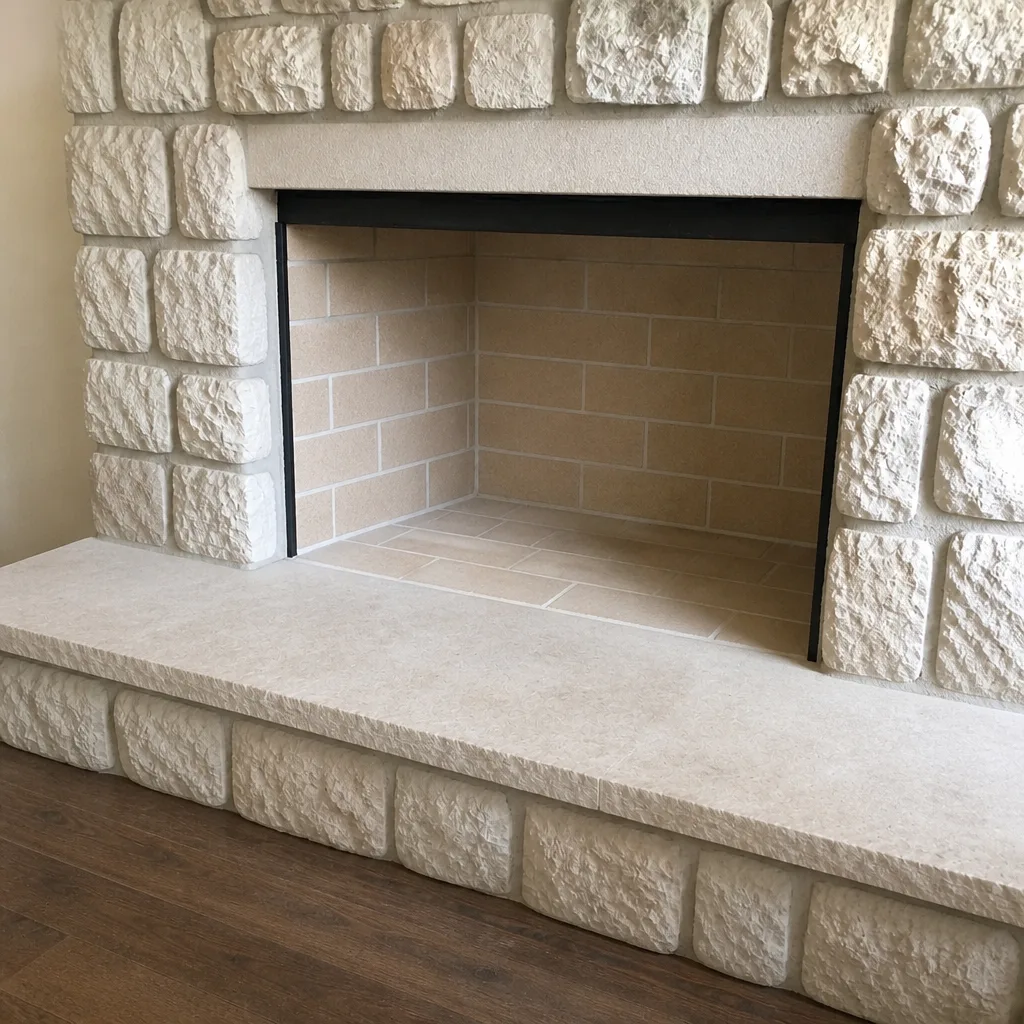
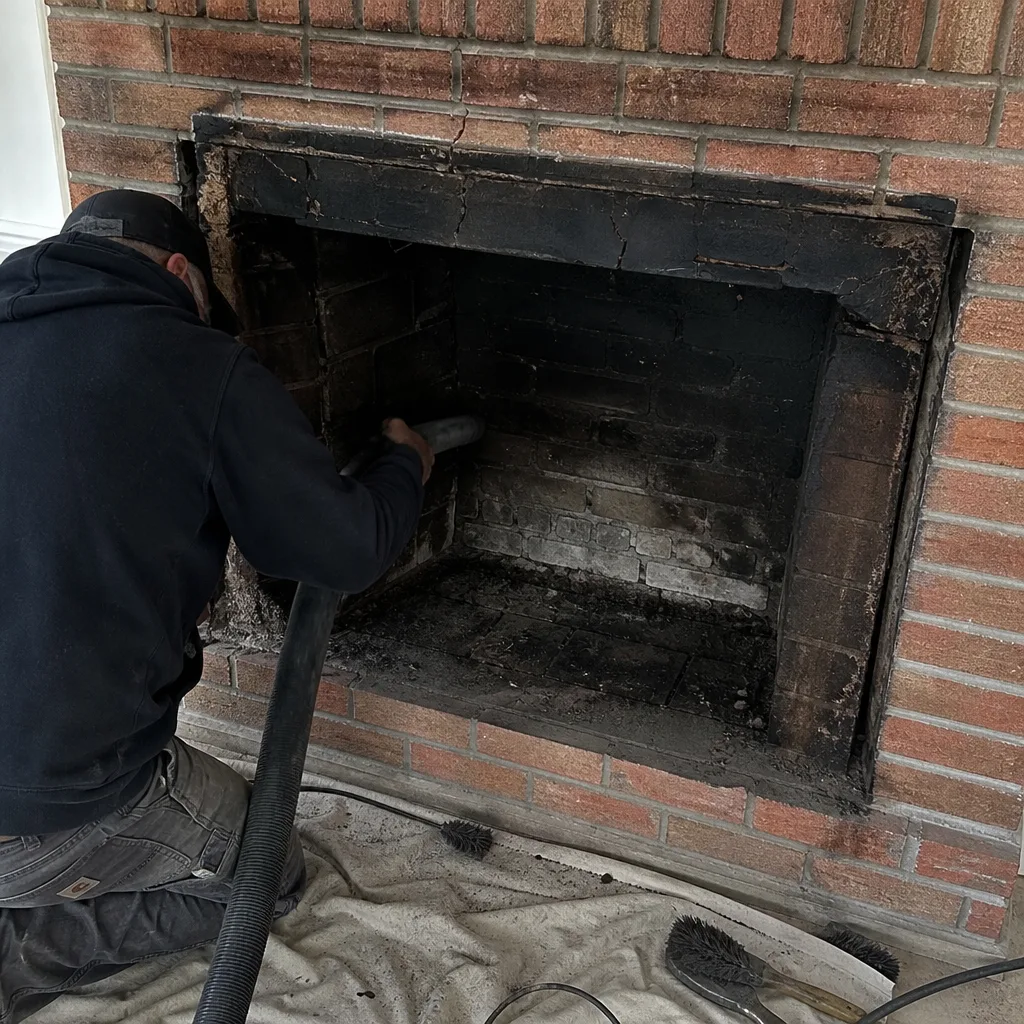
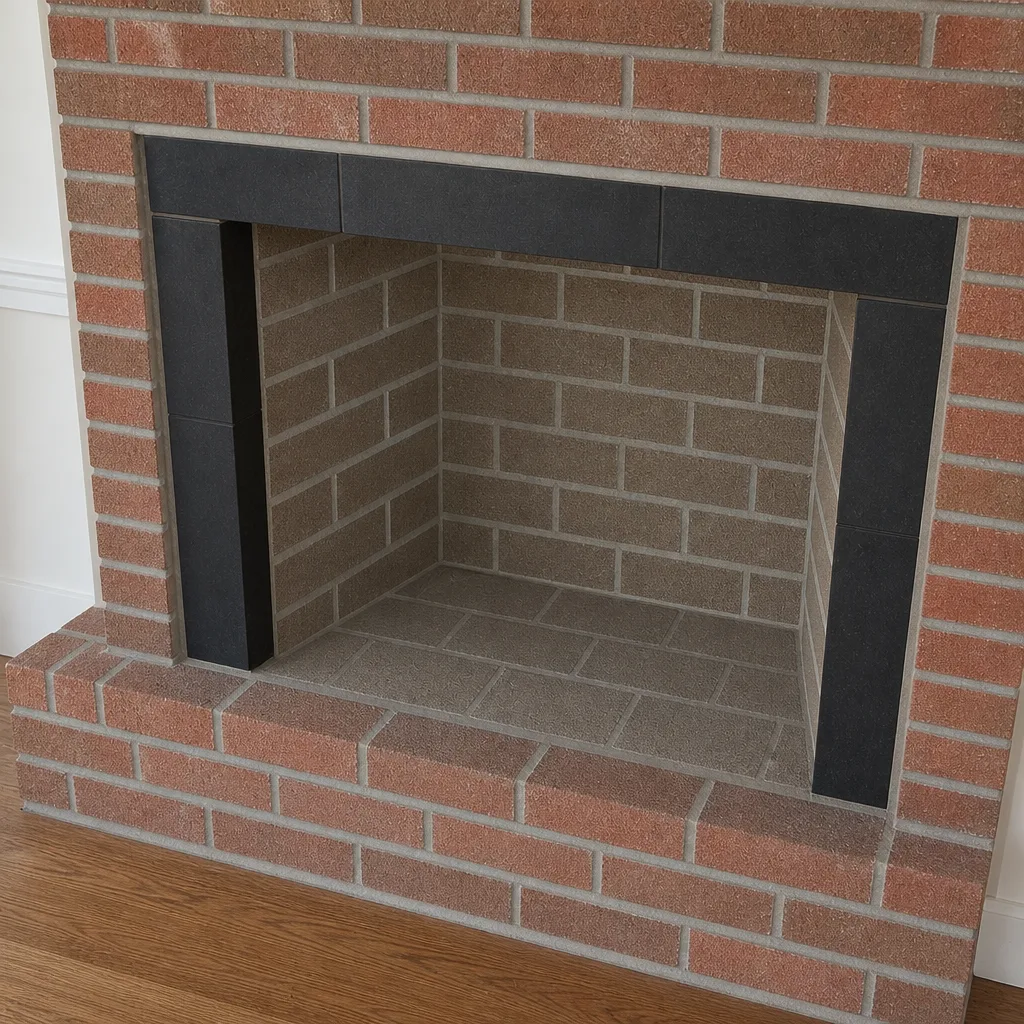
See the difference
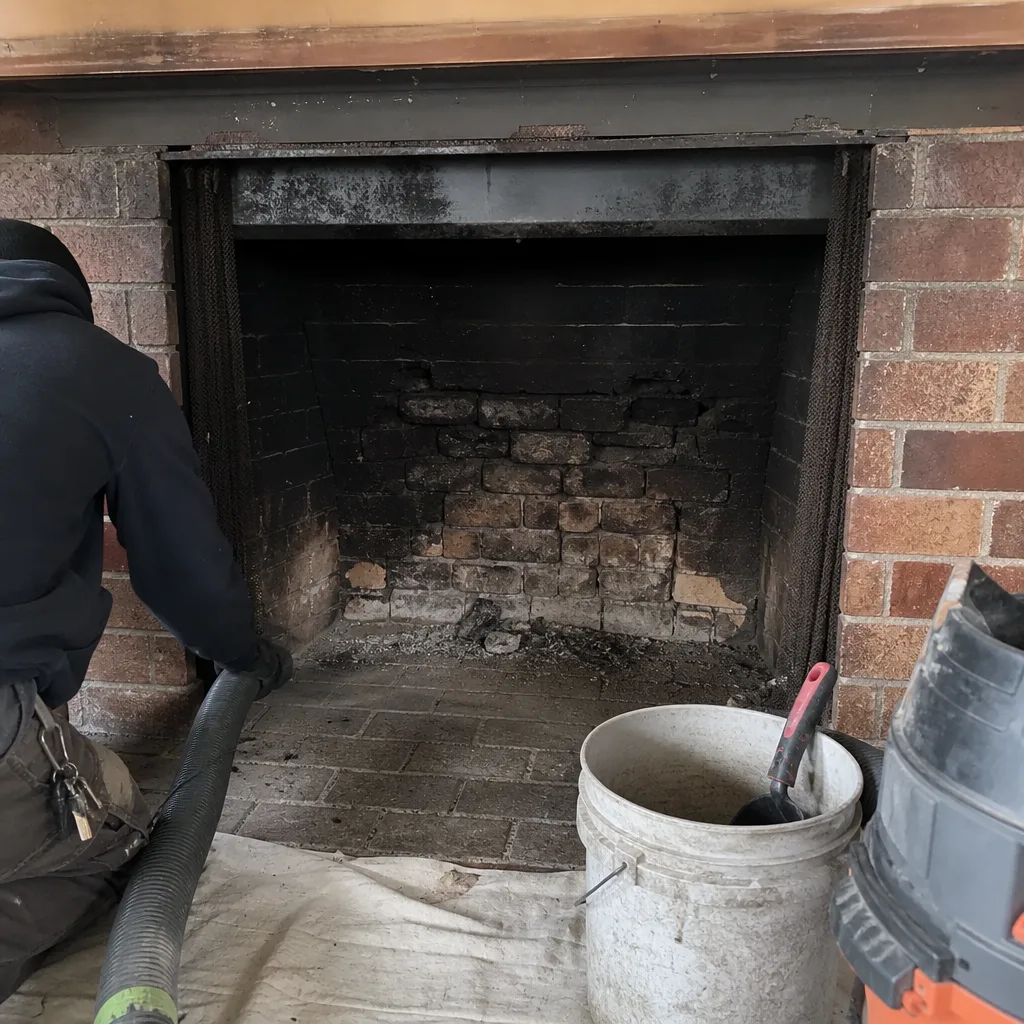 Before
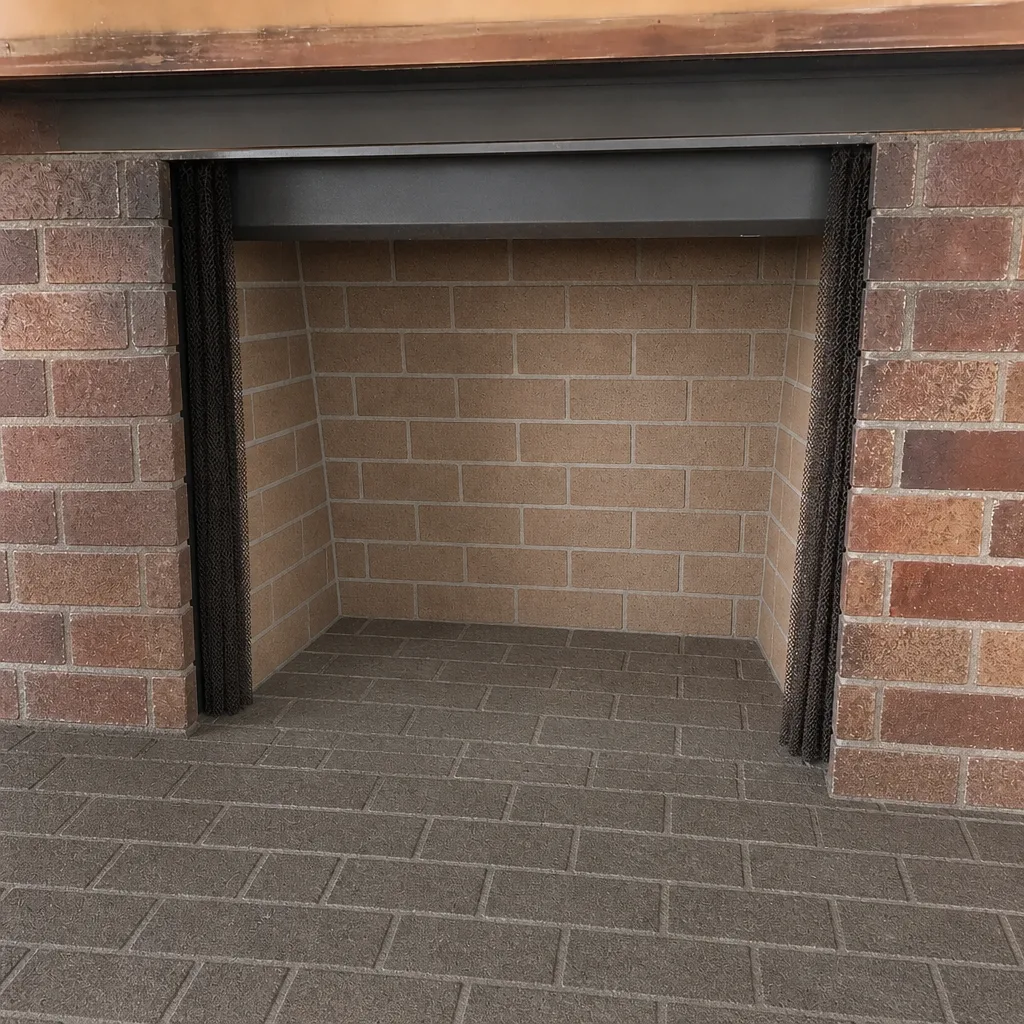 After
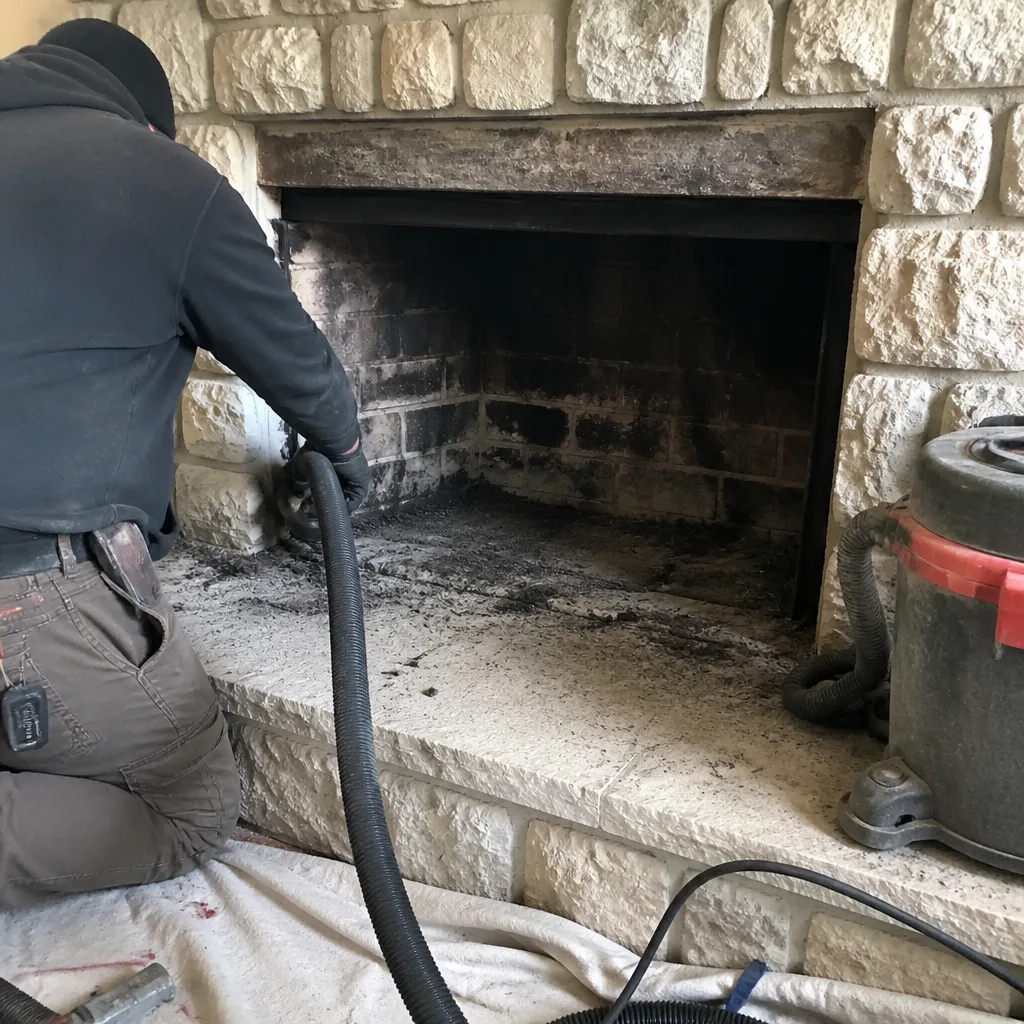 Before
 After
 Before
 After
When to Call a Professional
Call a professional chimney service when you smell smoke in the room on a cold morning, when you see soot or creosote at the top of the firebox, when the damper sticks or won’t close, or when you spot a cracked crown, a loose cap, or staining on the outside of the chimney. Call if you’ve had a chimney fire, even a small one, or if you’re buying or selling a home and need the chimney condition documented. Call if it’s been a full heating season since the last sweep. Bellmont Chimney Sweep offers free estimates in Spokane Valley – call (844) 734-4138. We answer 24/7. Fast dispatch from 7am to 7pm, Sunday through Friday. Our technicians have up to 13 years of experience, and we inspect before we recommend, so nothing is sold on guesswork. Learn more about our chimney sweep and chimney repair services, or read about the Spokane Valley area we serve.
Frequently Asked Questions
A chimney sweep typically costs $150 to $250 for a standard fireplace, with inspection and any repair work estimated separately. The written estimate you receive before booking sets the final price, so there are no surprises. Call (844) 734-4138 for an exact quote – estimates are free.
You need a new liner when the existing flue can no longer safely contain flue gases and creosote – typically a cracked clay tile, a deteriorated factory-built flue, or a flue undersized for the appliance. A liner isn’t recommended on a hunch. We show you the condition of the flue before recommending relining, and we install DuraFlex systems when a reline is the right call. Call (844) 734-4138 to have yours assessed.
A masonry fireplace burned regularly needs a sweep about once a year of active burning; a pellet stove or a heavily used wood stove may need it twice a season; a gas insert needs an annual inspection even without soot. The honest schedule depends on what you burn and how often. Call (844) 734-4138 to book yours.
Skipping maintenance lets creosote build up in the flue, and a thick creosote layer is the fuel a chimney fire needs. It also lets small cracks in the crown, cap, and liner go unnoticed until water damage or a failed liner turns into a larger repair. Getting an inspection early is the cheaper path. Call (844) 734-4138 for a free estimate.
Yes, for a practical reason: by November everyone else has tried to light a fire and booked a sweep, so the calendar is full right when you need it. A late-September appointment gets the flue cleaned and checked before the first real cold snap. Call (844) 734-4138 to book ahead of the rush.
A gas insert needs at least an annual inspection of its venting, burner, and pilot assembly, even though it produces no creosote. Soot or film on the glass, a flame that looks different, or a corroded vent termination are reasons to call sooner. Call (844) 734-4138 to schedule an inspection.
The Bottom Line
There’s no single chimney rule that fits every Spokane Valley home. A masonry fireplace, a factory-built unit, a wood stove, a gas insert, and a pellet stove each have their own maintenance rhythm. Match the schedule to your appliance, watch the firebox, damper, and crown between visits, and book the professional sweep in late September before the rush. Repair work belongs with a full-service chimney company that can diagnose the problem and fix it in the same relationship, with professional-grade materials from brands like DuraFlex, HeatShield, and Copperfield. It’s the difference between a clean flue and a safe one.
When you’re ready, Bellmont Chimney Sweep is here to help. Call (844) 734-4138 for a free estimate. We answer 24/7. Fast dispatch from 7am to 7pm, Sunday through Friday. The written estimate sets the final price, and nothing is recommended before we’ve looked at it.
Written by the team at Bellmont Chimney Sweep.