
Last updated November 15, 2026
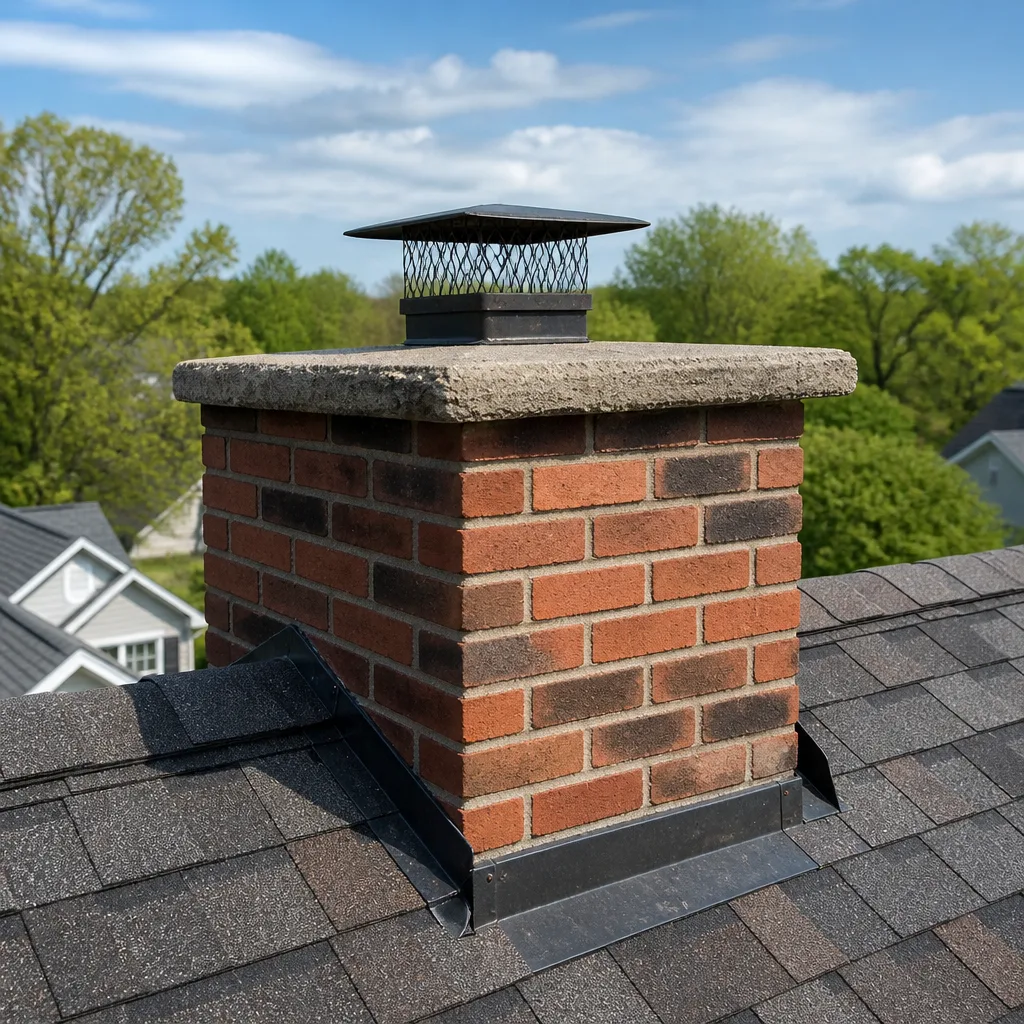 Sweep & inspection
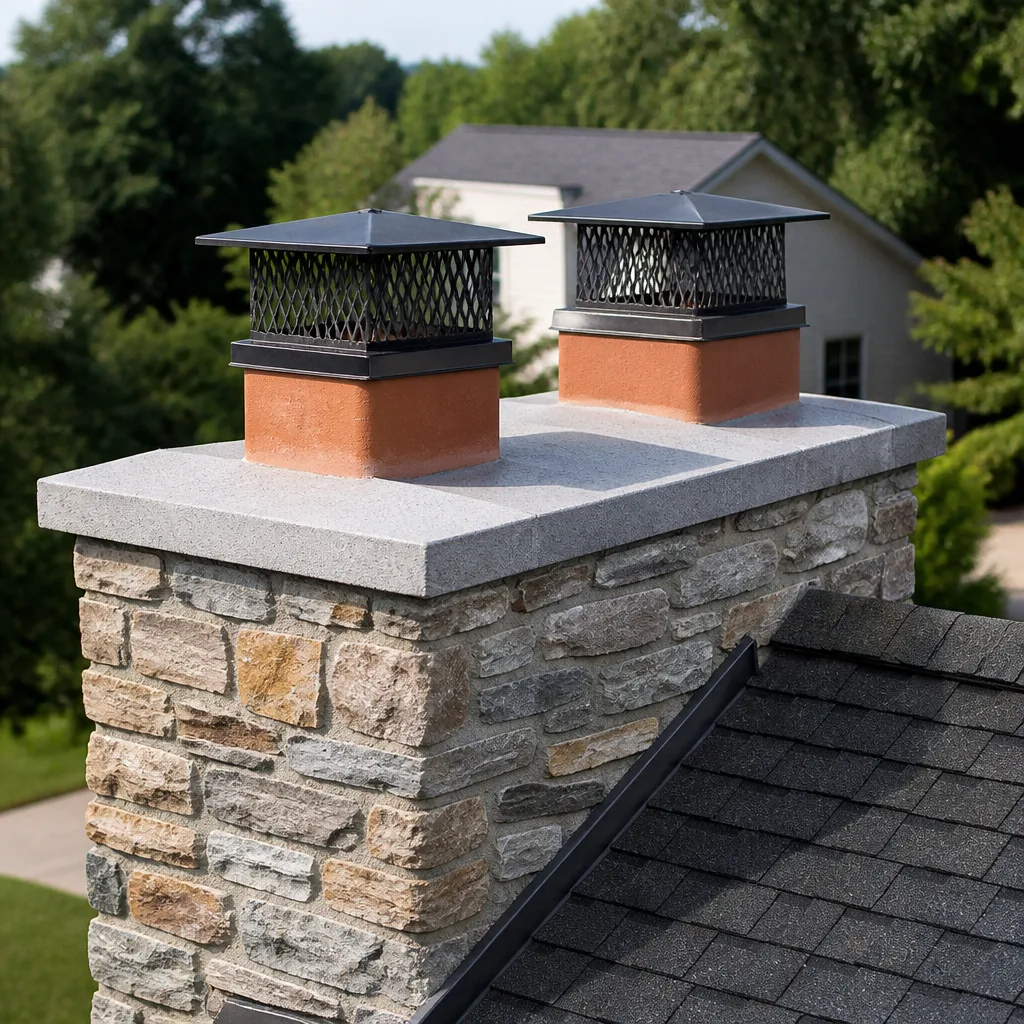 Caps & crowns
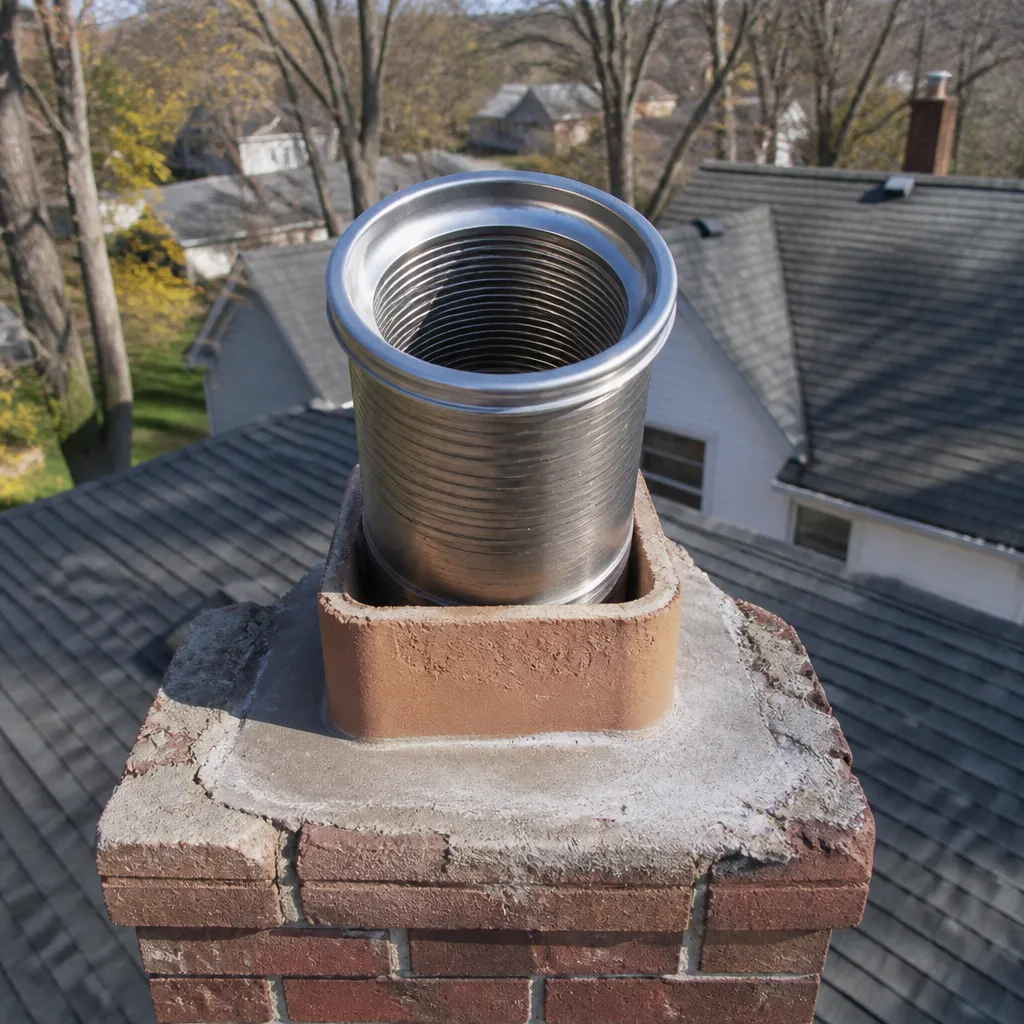 Flue relining
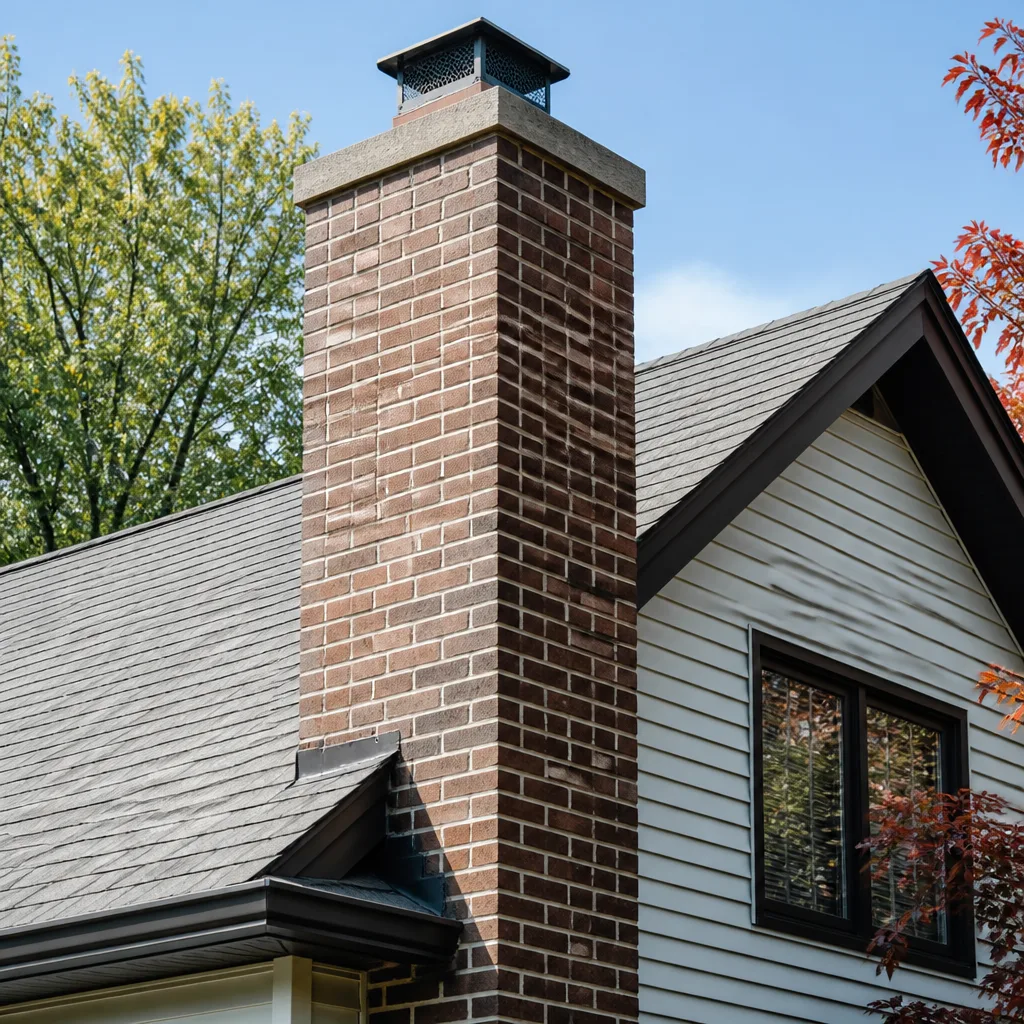 Masonry repair
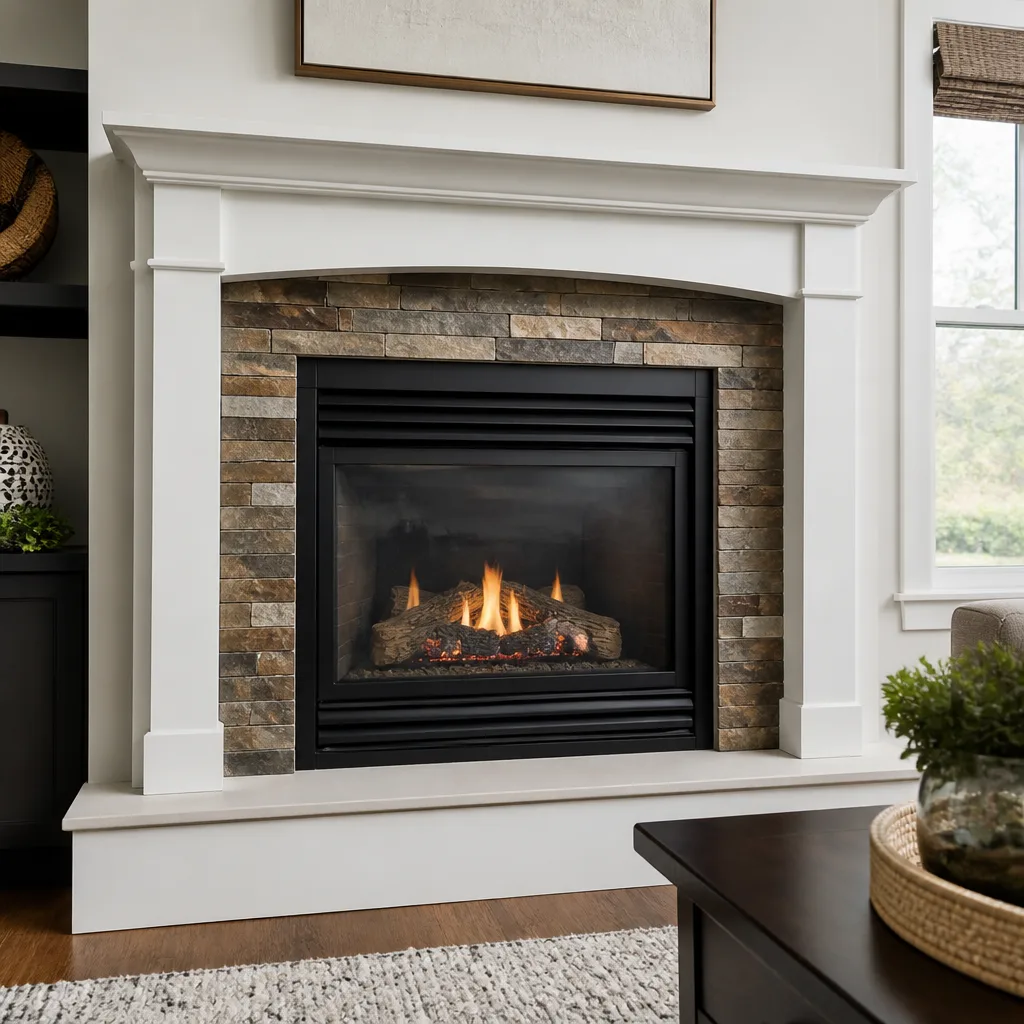 Gas fireplace service
Level 1 sweep and inspection to the NFPA 211 annual standard - flue, crown, cap, and flashing checked and photographed
Chimney sweep logs do not sweep chimneys. They loosen some creosote - which then falls where a brush and vacuum still have to collect it.
Choosing the Right Chimney Cleaning Brand: A Buyer’s Guide for Spokane Valley
Two chimney companies can quote the same “liner” service and mean two very different things. One is describing a Flex King 316L stainless system, rated for wood burning and sized to your exact flue diameter. The other is describing a thin imported sleeve pulled from a janitorial catalog. The price gap might be a couple hundred dollars. The lifespan gap can run to roughly fifteen years. Most Spokane Valley homeowners never get told which one they’re buying, because nobody asks. This guide changes that. You’ll learn to recognize professional-grade materials by name, understand what gauge and alloy ratings actually mean for different fuel types, and ask supply-chain questions that separate a real chimney specialist from a generalist with a brush.
Quick Answer
The right chimney cleaning brand is the one that names its materials in writing, buys from professional chimney distributors rather than hardware stores, and can handle sweep, inspection, and repair under the same roof. In Spokane Valley, look for a company that specifies liner systems like DuraFlex and Flex King by alloy and gauge, uses penetrating siloxane waterproofing such as ChimneySaver, and installs stainless caps with correctly sized spark-arresting mesh. If a quote uses the word “liner” without saying which liner, you don’t have enough information to compare it to anything else.
Styles & brands we work with
- Sweep & inspection
- Caps & crowns
- Flue relining
- Masonry repair
- Gas fireplace service
Table of Contents
- Why Material Brands Reveal How a Chimney Company Buys
- Liner Systems by Name: Gauge, Alloy, and Fuel Type
- Sealants and Waterproofing: Siloxane vs. Paint-On Products
- Chimney Caps: What Separates Stainless from Galvanized
- How to Ask About Supply Chain in One Phone Call
- What a Professional Estimate Looks Like in Writing
- Red Flags That Signal Discount Materials
- Spokane Valley Climate and What It Does to Chimneys
Why Material Brands Reveal How a Chimney Company Buys
A chimney company that can tell you the brand of liner it installs, the alloy rating, and where it orders from is telling you something about its entire operation. It means the person on your roof buys from professional chimney distribution channels. Companies that reference Copperfield Chimney Supply, DuraFlex, Olympia Chimney, and HeatShield in their proposals are working from a catalog of products designed and tested for chimney service. Companies that don’t name anything are often improvising.
The distinction matters more in Spokane Valley than most homeowners realize. Our valley sits in a basin with cold winters and significant wood-smoke season. Chimneys here cycle hard: hot flue gases in the burning months, freezing temperatures between fires, and freeze-thaw movement that stresses masonry crowns and mortar joints. A material that’s average in a mild climate becomes a problem in this one.
There are three layers to the supply-chain question:
- Product tier: Is the item specified for chimney service, or is it a general-purpose item repurposed for chimney work?
- Distribution: Does the company order from a chimney supply house? Copperfield Chimney Supply is one of the recognized national distributors in this trade. Local hardware aisles are not.
- Specification: Can they tell you the gauge, alloy, or formulation, or do they only know the category word (“liner,” “sealant,” “cap”)?
If the answer to all three is yes, you’re dealing with a chimney specialist. If any answer is vague, ask again. A company that installs DuraFlex liners, applies HeatShield resurfacing, and seals with Gelco or Olympia Chimney products will have no trouble telling you exactly what’s going on your chimney. The brands used by Bellmont Chimney Sweep come from that professional tier, and we’d rather you ask than assume.
Liner Systems by Name: Gauge, Alloy, and Fuel Type
A liner is not one product. It’s a category that covers a wide range of systems, and the specification determines how long it lasts. When a chimney professional recommends relining, they should be matching the liner material to your fuel type, not handing you a generic sleeve.
Alloy ratings and what they mean
The most common liner alloy for wood-burning appliances is 316L stainless steel. The “L” stands for low carbon, which improves weld quality and corrosion resistance along the seams. You’ll also see 304 stainless, which is a lower-grade alloy suitable for certain gas applications but not the first choice for wood. Higher alloys and heavier gauges handle the acidic condensate from wood smoke better than thinner, cheaper material.
Flexible liners come in two main fabrication styles. A continuous, seamless-weld system like DuraFlex is manufactured as a single-wall flexible pipe with consistent alloy throughout. A corrugated import may be formed from lighter sheet with seams that can separate under thermal cycling. From the fireplace, they look similar. From the roof, they don’t.
Fuel type changes the recommendation
- Wood-burning fireplace or stove: 316L stainless, frequently insulated for better draft and reduced creosote condensation.
- Gas insert or gas appliance: Often a lighter-wall aluminum or stainless system, sometimes with a specific gas-rated alloy. Gas condensate is acidic and attacks the wrong metal quickly.
- Oil or gas furnace flue: Rated for the appliance, usually stainless, sometimes requiring specific vent categories.
HeatFab Saf-T Flue is another professional-tier name you’ll see in the venting and connector side of the work. Its product line includes connector piping and venting components fabricated for specific appliance types. If your chimney professional can’t say the words “316L” and “insulated” when they talk about wood liners, they’re not choosing materials with much care.
Relining is structural work, not a cleaning add-on. The chimney repair scope at our company includes full flue relining with DuraFlex systems, which is work many sweep-only operations can’t perform. That’s not a knock on them. It’s just the reality of how the trade is divided: sweeping and relining use different tools and different product catalogs.
Renovation versus repair
Sometimes the flue doesn’t need a new liner at all. It needs resurfacing. HeatShield is a castable refractory lining product applied by trained technicians to restore the integrity of a damaged clay flue from the inside. It’s a middle path between leaving a deteriorating flue alone and a full reline. Not every company stocks or applies it. When a Spokane Valley chimney company arrives with HeatShield capability, that’s an indicator the scope of the work extends beyond cleaning. It means they can diagnose a problem and fix it without sending you to a second vendor.
Sealants and Waterproofing: Siloxane vs. Paint-On Products
Water is the slowest and most persistent enemy of a masonry chimney. In Spokane Valley, freeze-thaw cycles do the hardest damage: water soaks into brick and mortar, freezes at night, expands, and pries the masonry apart. Over time, spalling brick and crumbling mortar lead to leaks at the roofline. The right waterproofing product is a real repair. The wrong one is cosmetic and can trap moisture inside.
Why penetrating products outperform film-formers
Waterproofing for masonry falls into two camps:
- Penetrating (siloxane-based): Absorbs into the masonry pores and lines them with a hydrophobic coating at a molecular level. Vapor can still escape. The surface doesn’t look sealed because it isn’t.
- Film-forming (acrylic or silicone blends): Sits on the surface as a coating. These are faster and cheaper per gallon. They can also trap moisture inside the brick and fail within a few seasons, often peeling away while the masonry underneath continues to absorb water.
ChimneySaver Water Repellent is the recognizable name in the first category. It’s a siloxane-based formula designed specifically for masonry chimney exteriors, and it’s what professional chimney companies specify for this application. It sprays on and disappears, leaving the brick looking untouched while treating the surface.
Crown repair products
The crown is the concrete cap around the top of the flue, and it’s the first thing that cracks. Water gets in at the hairline crack, never drains, and freezes. CrownCoat is a flexible crown repair product, an elastomeric coating applied over the crown. Traditional repouring with new concrete is still done, but flexible coatings handle the small movement a valley freeze-thaw cycle produces without re-cracking at the same spot.
What to ask
- What’s the product name on your waterproofing, and is it siloxane-based?
- Is it a penetrating sealer or a surface coating?
- Will vapor escape from inside my chimney after it’s applied?
- How do you handle crown cracks: recasting, coating, or both?
- Does the application go on the estimate as a separate line item?
If a company answers these with specific product names and formulations, you’re getting straight information. If they answer with “our own sealant” and a shrug, you’re not.
Chimney Caps: What Separates Stainless from Galvanized
A chimney cap is the smallest-dollar item on most repair tickets and the one most likely to be swapped for a discount substitute. It’s also the piece of the chimney exposed to the most weather. Getting this one right is a small investment with a long payoff.
Stainless vs. galvanized
Stainless steel caps hold up across decades in a valley climate. Galvanized caps are zinc-coated steel; the coating eventually oxidizes through, rust starts at the weld points, and the cap fails at the seams. Galvanized is the cheaper option and it’s what you’ll find in home improvement aisles. The cost difference for a professionally fabricated stainless cap is small compared to the overall repair, and the lifespan difference is measured in decades, not years.
Mesh size and spark arrestance
The mesh on a cap is a working part, not a decorative element. Its size determines what it does:
- Larger mesh openings pass smoke freely and still block birds and larger debris. Suitable for open wood-burning fireplaces with predictable fuel.
- Smaller mesh openings provide better spark arrestance and keep out smaller animals and insects, but they can clog more quickly with soot and creosote and need periodic cleaning.
- Wrong-size mesh either allows ember escape or becomes a maintenance headache.
Gelco and Olympia Chimney both manufacture caps and venting components at professional tier. Gelco’s cap fabrications are standard items for chimney work. Familiarity with these lines means your contractor can order the right size and material for your flue, not the one that happens to fit the truck that day.
Fabrication and fit
A proper cap is fabricated for your flue dimensions, not stretched to fit. Custom fabrication accounts for single flue, multi-flue, and the irregular top plates that older Spokane Valley homes sometimes have. The cap should fasten down mechanically, not rest loose. If the estimate just says “chimney cap” with no brand, no metal, and no mention of sizing, ask the questions before you sign.
How to Ask About Supply Chain in One Phone Call
You don’t need to know the chimney trade. You need to know whether your contractor does. One phone conversation, with the right five questions, tells you almost everything.
- “Which brands do you install?” A specialist names products. A generalist names services. If they say “DuraFlex” or “HeatShield,” you’re dealing with someone who buys from chimney supply distribution. If they say “we use good quality materials,” they’re either avoiding the question or don’t track it.
- “Where do you order your liners and components from?” If Copperfield Chimney Supply or a comparable chimney distributor is part of the answer, the company is working from a professional catalog. If the answer is a general hardware store, expect general hardware quality.
- “Can you give me the alloy and gauge of the liner you’re proposing?” A company specifying 316L stainless to a matched diameter will answer without hesitation. A company selling imported sleeve material probably won’t.
- “Will the product name appear on the written estimate?” Material specification should be on paper. If they can’t commit it to a document, don’t assume it’s what the technician’s truck will contain.
- “Who does the work if I approve the repair?” Three service types – sweeping, inspection, repair – handled by the same team means no gap where a job gets handed off. This question also closes the door on subcontractors you can’t verify.
These five questions take about four minutes. In a market where price shopping across three quotes is common, these five questions will tell you more about the work you’re actually buying than the numbers at the bottom of the page. Our own answer to question one runs through the materials used by Bellmont Chimney Sweep every day.
What a Professional Estimate Looks Like in Writing
The written estimate is the document that protects you. A vague quote leaves every material decision open to substitution. A professional proposal commits to specifics.
What a professional estimate contains
- The service scope in plain language: sweep, camera inspection, photo report, and any repair.
- Material names and specifications for anything being installed: liner brand, alloy, gauge, cap material, sealant product.
- Quantities and measurements: liner length, flue diameter, cap dimension.
- A clear distinction between diagnosis and treatment, so you can approve the sweep and inspection and decide on repairs afterward with the evidence in hand.
- A stated price for the work described, not a range with an asterisk.
What a vague quote looks like
- “Chimney cleaning and inspection” with no mention of how inspection is done. No camera. No photo report.
- “Liner replacement” with no brand, no alloy, no gauge, no diameter.
- “Chimney repair as needed” – which means the number isn’t real.
- Verbal-only details that never make it to paper.
A written estimate with product names attached turns a quote into a proposal. When the technician is on your roof, they’ll be looking at the same document as you. Ask for a photo report from the camera inspection to be included. In a valley where chimney fires are a documented seasonal issue, this evidence matters: nothing should be recommended without camera evidence you can see for yourself. If a repair can safely wait, we’d rather tell you that than sell you work the chimney doesn’t need.
Red Flags That Signal Discount Materials
Discount is not a secret. It leaves clues on the estimate, on the roof, and in the answers to your questions. Here are the signals worth noticing:
- No brand names appear anywhere. A company using professional materials names them. A company buying from a big-box aisle can’t.
- The word “liner” without specification. Liner means sleeve, band, vent, or system. If the quote doesn’t narrow it down, you can’t compare it to anything.
- Waterproofing quoted as “we treat the chimney.” No product name, no formulation, no explanation of penetrating versus film-forming. That’s the same quote a pressure-wash-and-paint job would carry.
- Chimney cap quoted as “we install a screen.” Stainless or galvanized, welded or clipped, fabricated or one-size – all matters, none of it stated.
- Nothing in writing. If the numbers live in a phone call, the materials live in a promise.
- Work is handed off. If the company sweeping the chimney isn’t the company relining it, you become the middleman in any dispute over who owns the problem.
- Warnings without evidence. A repair recommendation that arrives without a photo report from a camera inspection is a conversation you can’t verify. Ask to see what the camera saw.
None of these individually proves a problem. In combination, they tell you the company is working from general supply channels rather than chimney distribution. That distinction is what separates a chimney cleaning brand from a chimney specialist.
Spokane Valley Climate and What It Does to Chimneys
A chimney that lasts decades in a mild climate needs more attention in a valley with hard winters and long burning seasons. That’s the reality of chimney work in Spokane Valley: cold, dry air that stresses masonry, freeze-thaw cycles that open mortar joints, and indoor heating schedules that pack a lot of work into the burning months.
The freeze-thaw cycle
Brick and mortar absorb moisture. When temperatures drop below freezing, that moisture expands, and the expansion creates hairline cracks that get worse every season. The process is slow, but it’s relentless. Waterproofing with a penetrating siloxane product slows it dramatically. A penetrating product lets vapor escape while keeping liquid water out. A film-forming product adds another layer of failure to an already stressed masonry shell.
Draft and burn season
Wood-burning appliances in the valley operate heavily in winter. That concentrates creosote accumulation into a shorter window than a household with year-round moderate use would experience. Regular chimney sweep appointments before the burning season have more value here than sweeping after it, because the buildup you’re clearing is what you’ll be igniting next.
Why the inspection matters as much as the sweep
Buildup is what the brush removes. Condition is what the camera reveals. A chimney that’s been swept but not inspected might still have a cracked flue tile, a leak at the crown, or a partially blocked flue. The Spokane Valley homeowner’s best protection against a chimney fire or a CO problem is regular inspection, not just the annual brush pass. Every chimney sweep we perform includes a camera inspection and photo report. That’s the standard we work to: evidence before recommendation.
Common Mistakes to Avoid
- Comparing quotes on price alone. Two quotes for “a liner” may describe two different products with a lifespan difference of roughly fifteen years. Line up the specifications before the numbers.
- Approving a repair without seeing the camera footage. A photo report from the camera inspection tells you exactly what the technician saw. If the report isn’t part of the estimate, ask for it before you commit.
- Assuming “waterproofing” means “siloxane.” Film-forming acrylic coatings may last a season or two in the freeze-thaw cycle of the valley. Ask for the product name and whether it’s penetrating.
- Agreeing to a cap replacement without knowing the metal. Galvanized caps rust at seams within a few winters. Stainless holds up. The price difference per cap is minor compared to what you’ll pay to have it replaced twice.
- Splitting the work across contractors. A sweep-only company sweeping the flue and a separate roofer or mason repairing the crown means two sets of records and no accountability. Same team, same scope, same document.
- Skipping the burn-season sweep because the year has been mild. Creosote buildup depends on the fuel, appliance, and burn schedule, not the outdoor temperature. Annual inspection catches buildup before it becomes a fire risk.
- Assuming a larger company is more specialized. Size says nothing about supply channels. Ask the brand questions regardless of the company’s marketing budget.
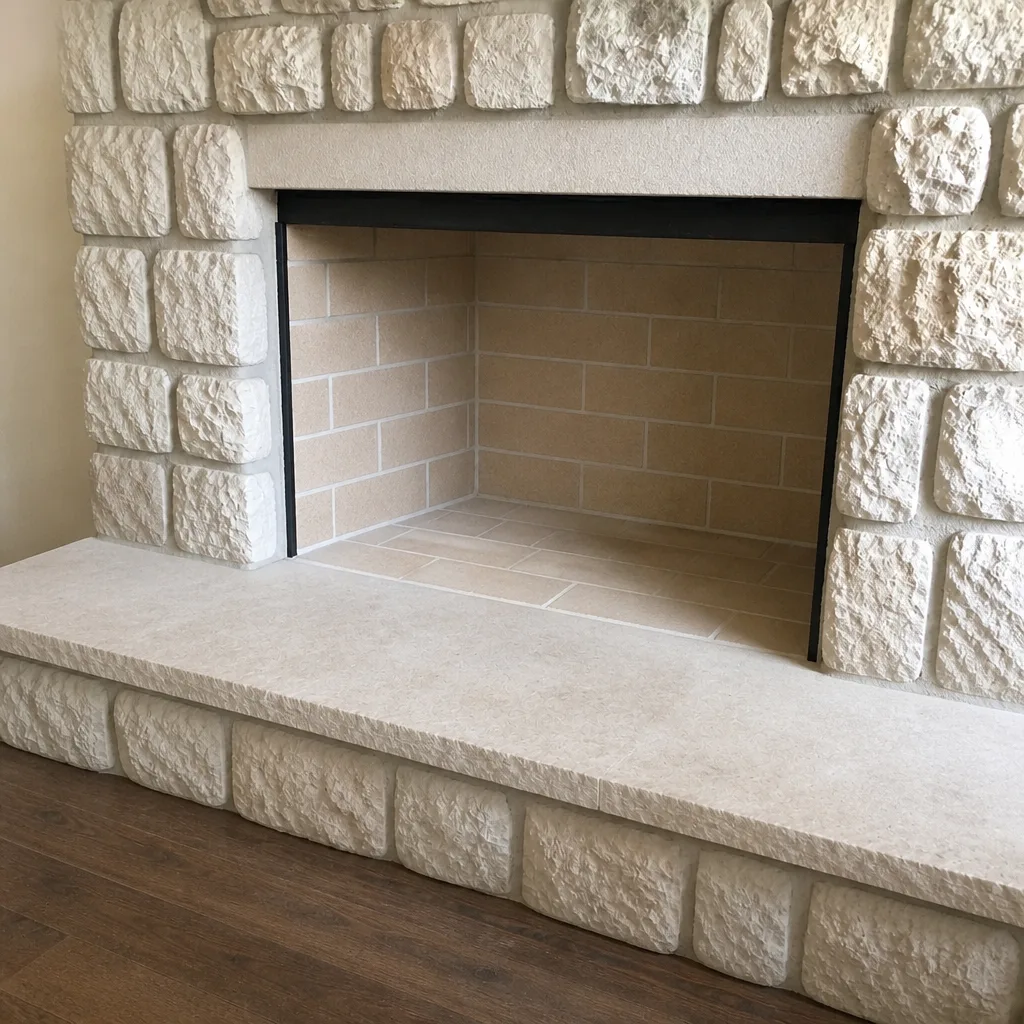
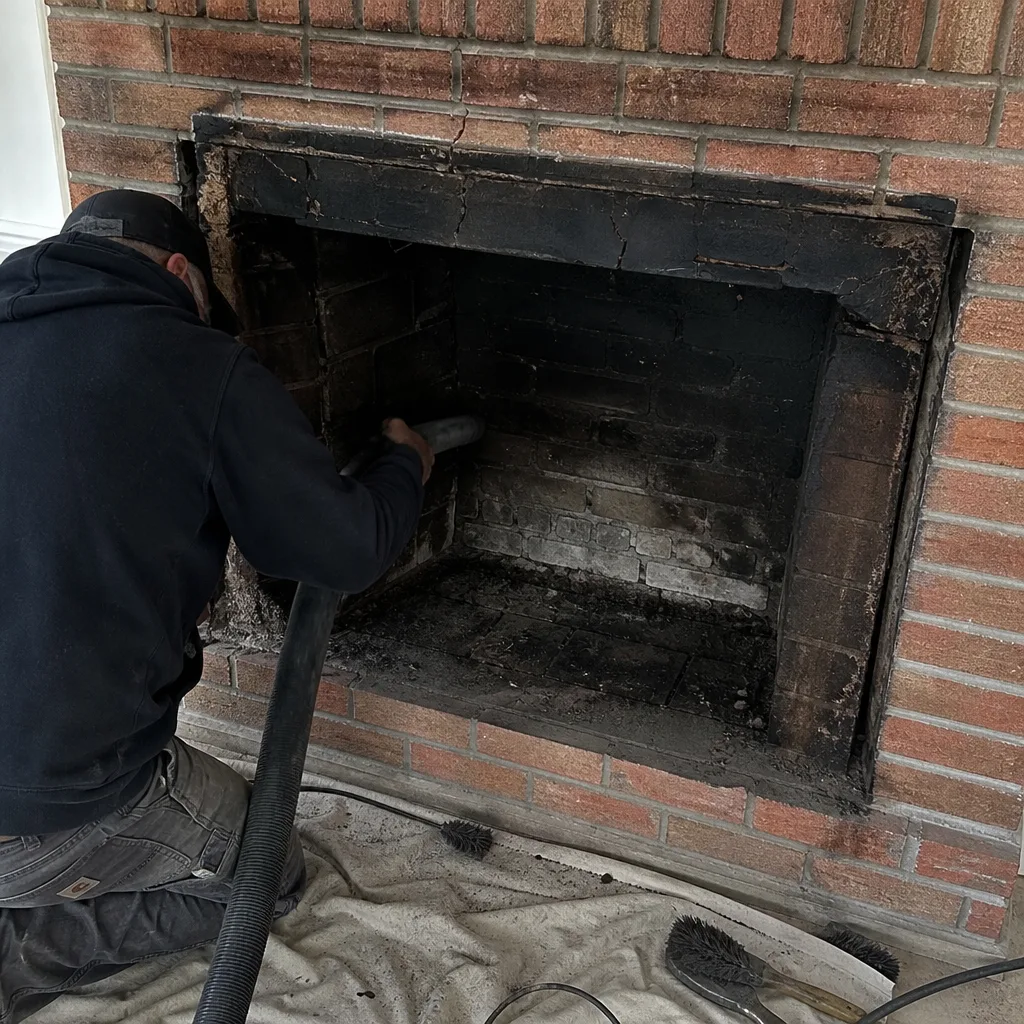
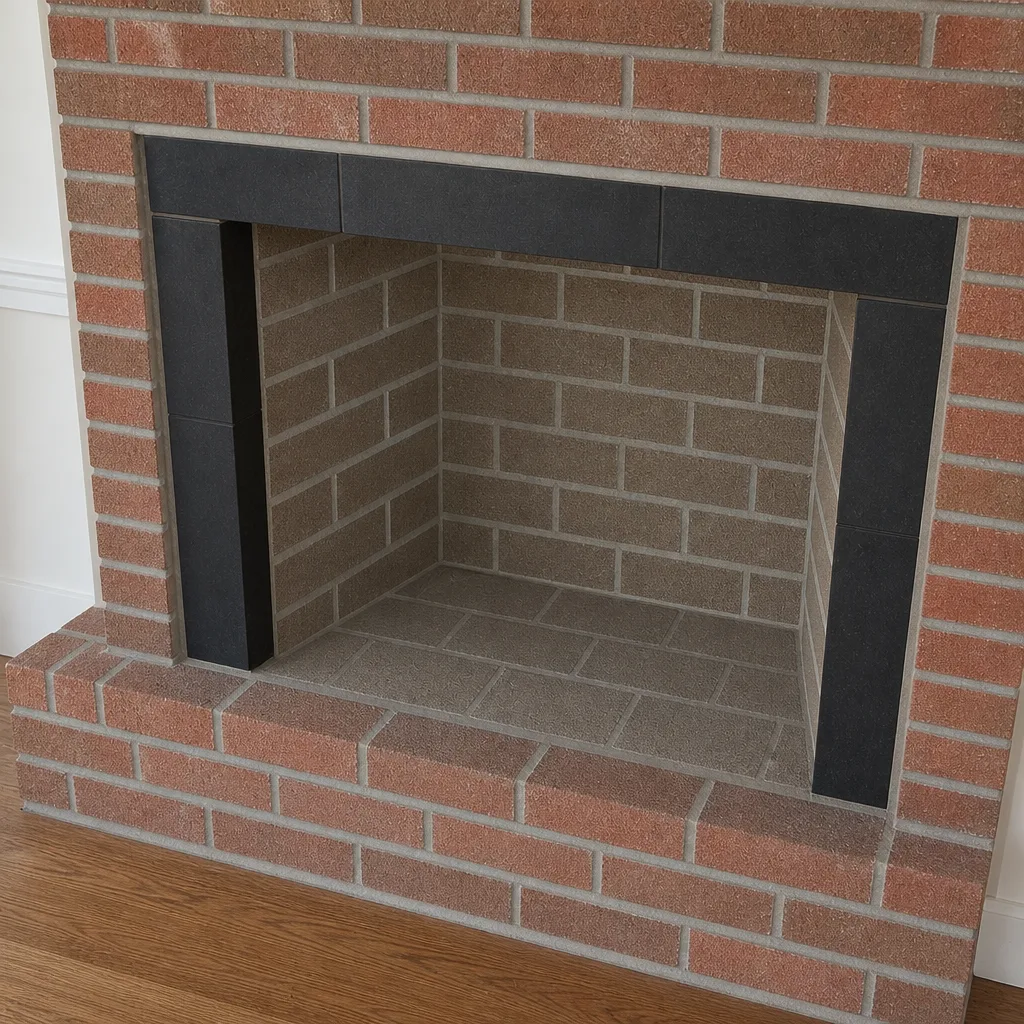
See the difference
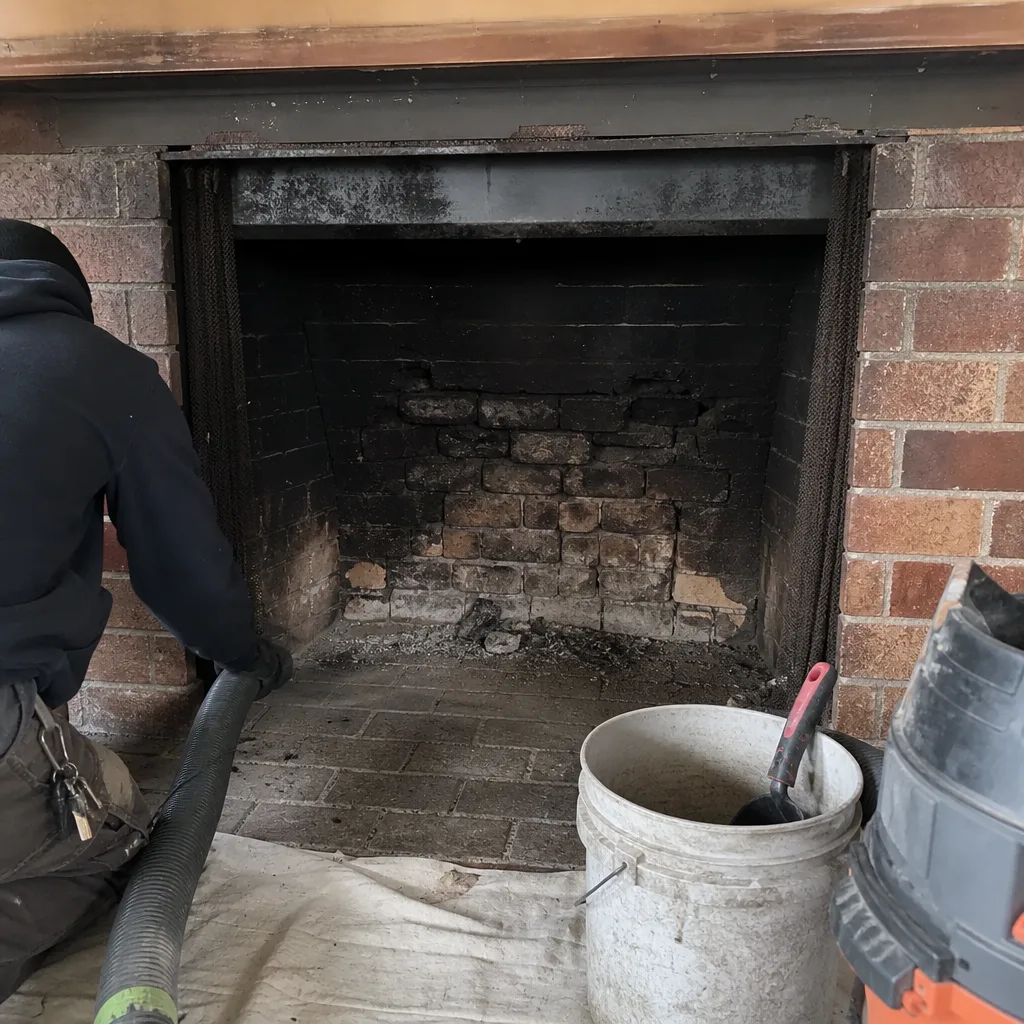 Before
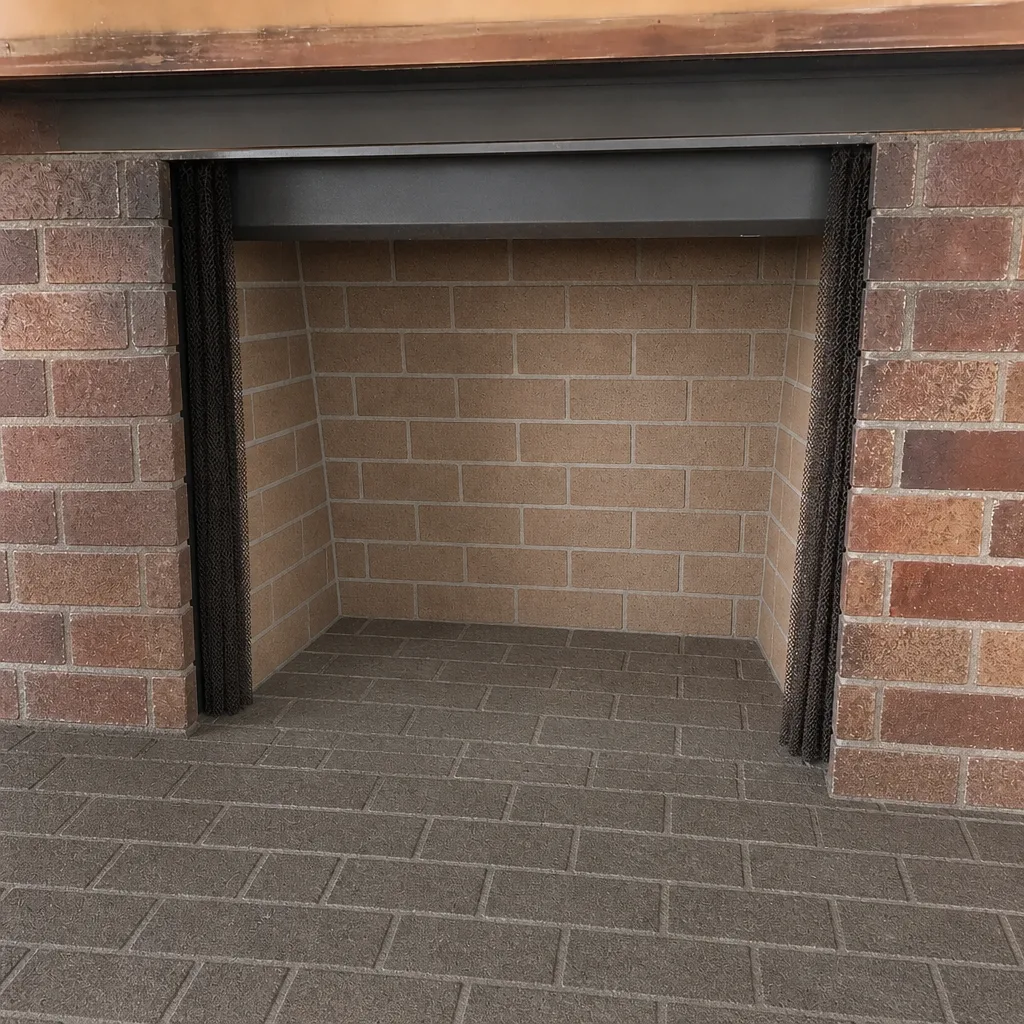 After
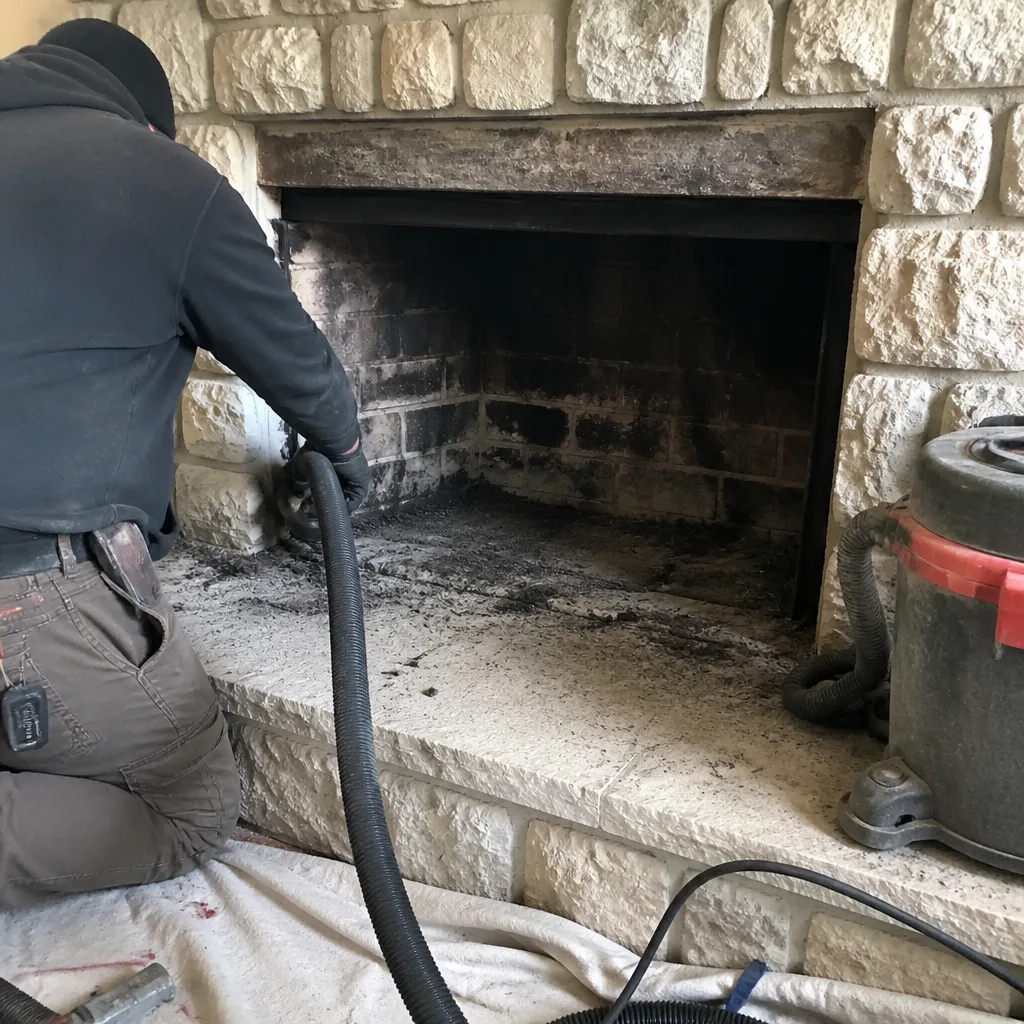 Before
 After
 Before
 After
When to Call a Professional
Some chimney conditions are ordinary maintenance; some need a trained set of eyes right away. Call a professional if you notice: smoke spilling back into the room when you light a fire, a burned smell in the house during heating season, soot marks at the fireplace opening, water stains on the ceiling near the chimney chase, crumbling mortar or spalled brick on the exterior, or a flue with a strong creosote glaze. A chimney fire can also happen without a dramatic sound: slow, low-oxygen fires can cause quiet damage to flue tiles you can only catch on camera. If you haven’t had the chimney inspected this year, book a sweep and inspection before the burning season.
Bellmont Chimney Sweep offers free estimates in Spokane Valley – call (844) 734-4138. We answer 24/7, with fast dispatch from 7am to 7pm, Sunday through Friday. Our technicians have up to 13 years of experience and work with professional-grade materials from DuraFlex, HeatShield, and Olympia Chimney. If a repair can safely wait, we’ll tell you that. Same team, same scope, same written estimate.
Frequently Asked Questions
Start with the fuel type. Wood-burning appliances call for 316L stainless liner systems sized to your flue diameter; gas appliances call for a gas-rated liner. Then check that the installer names the materials in writing and sources them from professional chimney distributors. A company using DuraFlex, HeatShield, Gelco, and Olympia Chimney products is buying at the professional tier. Ask the five supply-chain questions and listen for whether the answers include brand names and specification details. Call (844) 734-4138 for a free estimate if you’d like us to look at your chimney specifics.
The liner is the structural boundary between the flue gases and the house. A 316L stainless flexible liner rated for your fuel type and sized to your flue will typically last decades. A thinner imported sleeve may corrode, seam-split, or lose its integrity within a handful of years. The price difference at install is a couple of hundred dollars. The cost of a premature re-liner project is many times greater. Ask for alloy and gauge in writing.
Yes, in a freeze-thaw climate like Spokane Valley’s. Siloxane-based products penetrate the masonry and line the pores, letting vapor escape while blocking liquid water. Acrylic and film-forming coatings sit on the surface and can trap moisture inside the brick. In a season of daily freeze-thaw cycles, that trapped moisture does the most damage. Ask for the product name on the estimate and confirm it’s penetrating, not film-forming.
A full-service chimney company can and should. Splitting the work across a sweep-only company and a separate mason or liner installer creates the classic gap where a diagnosis gets lost and responsibility gets handed around. Bellmont Chimney Sweep has sweeping, inspection, and repair under one company, so the technician who finds the problem is with the team that fixes it. Our Bellmont Chimney Sweep scope includes full flue relining with DuraFlex systems and HeatShield resurfacing capability. Call (844) 734-4138 to book a sweep and inspection.
Product names, specifications, and quantities. The liner brand, alloy, and gauge. The cap metal and mesh size. The waterproofing product and whether it’s siloxane-based. A clear scope that separates sweep and inspection from repair, so you can approve the diagnosis first and decide on treatment after you’ve seen the camera report. If the estimate gives you only dollar figures without material specifications, you don’t have a professional proposal – you have a number that could apply to any materials at all. The written estimate sets the final price on any work we perform.
Creosote accumulates in the flue with every fire you burn. It’s combustible, and glazed creosote is the hardest type to remove. Left in place, it’s the fuel a chimney fire needs. Blockages from soot or animal nests can also allow carbon monoxide into the living space rather than up the flue. Skipping the annual inspection doesn’t make a problem go away; it delays detection. If it’s been more than a year, book an inspection before burning season. Call (844) 734-4138 – estimates are free. We answer 24/7, and dispatch runs 7am to 7pm, Sunday through Friday.
The Bottom Line
The right chimney cleaning brand is the one that names its materials, buys from professional distribution, and stands behind the specification in writing. Look for DuraFlex and Flex King liner systems with the alloy and gauge stated, HeatShield for flue resurfacing, siloxane waterproofing from a company that can tell you it’s penetrating, and stainless caps with fabrication details. Ask the five supply-chain questions. Expect a written estimate that commits to names, not just numbers. You don’t have to accept vague quotes in Spokane Valley. The information is available, and any specialist will answer the questions without hesitation. Schedule an inspection and get the camera evidence before you decide on repair work. Fast dispatch from 7am to 7pm, Sunday through Friday, when you call (844) 734-4138. We answer 24/7. For more on the Spokane Valley area we work in, see Spokane Valley.
Written by the team at Bellmont Chimney Sweep.