
Last updated November 15, 2026
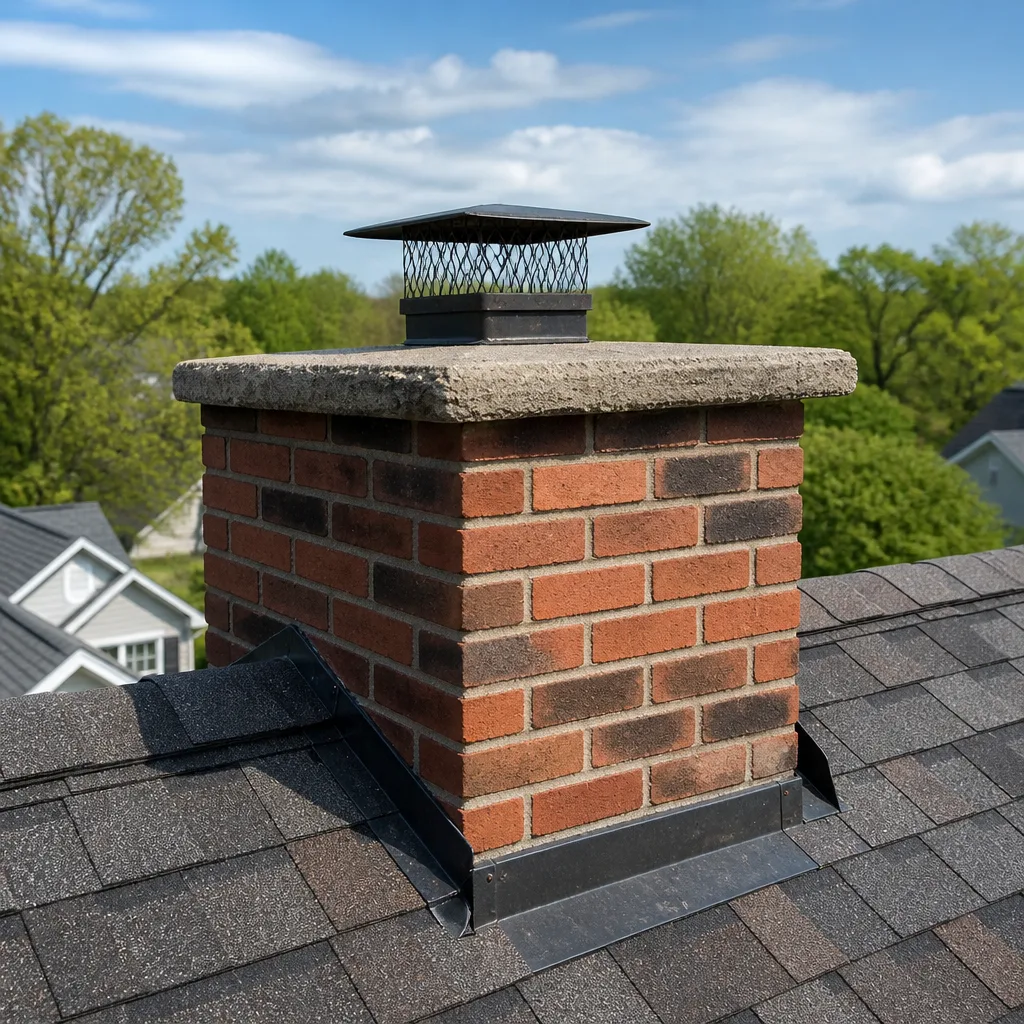 Sweep & inspection
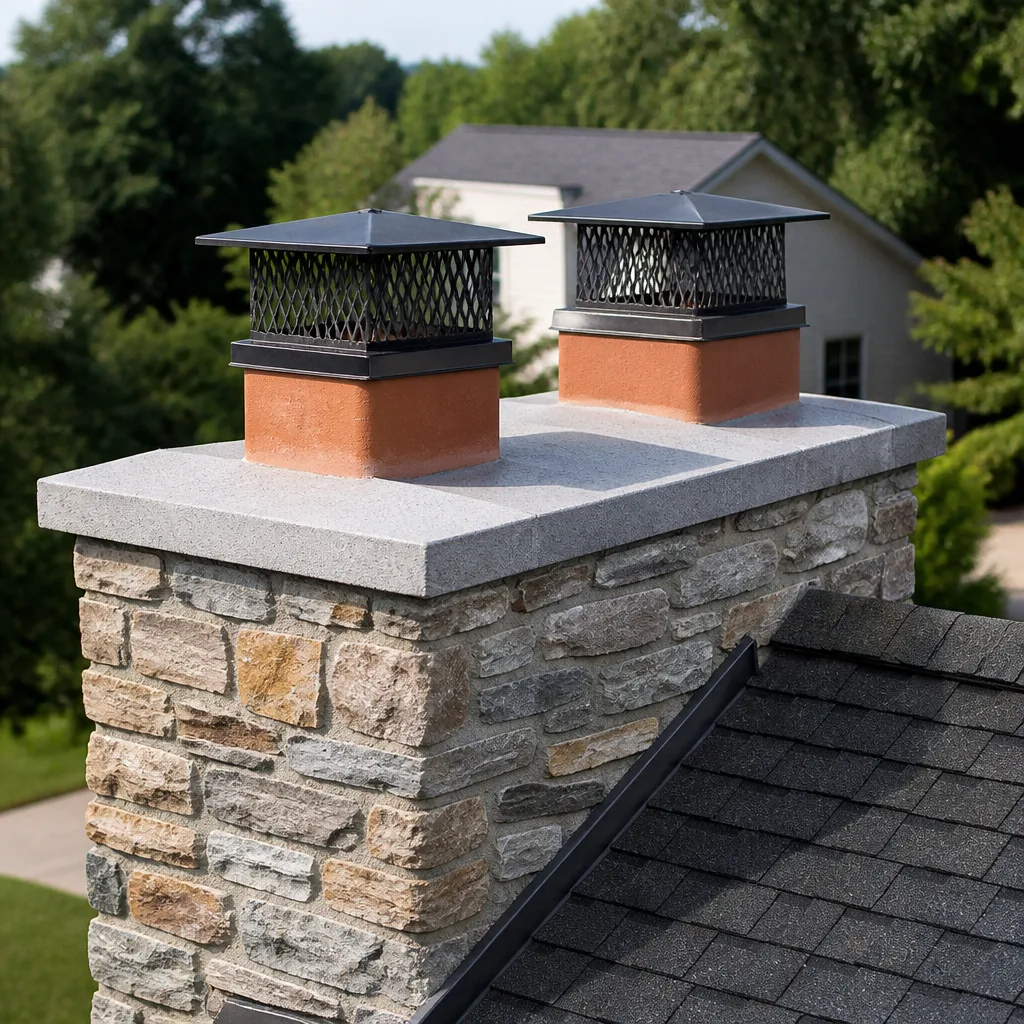 Caps & crowns
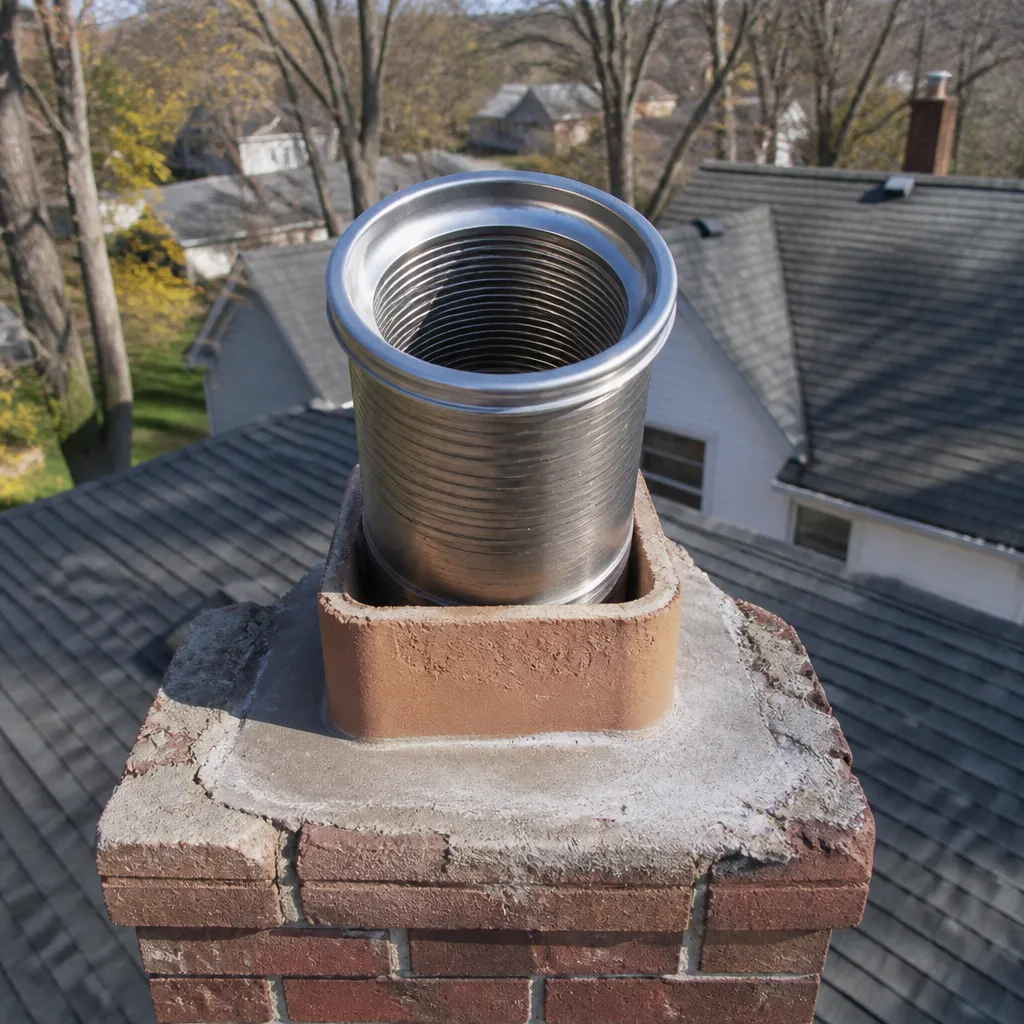 Flue relining
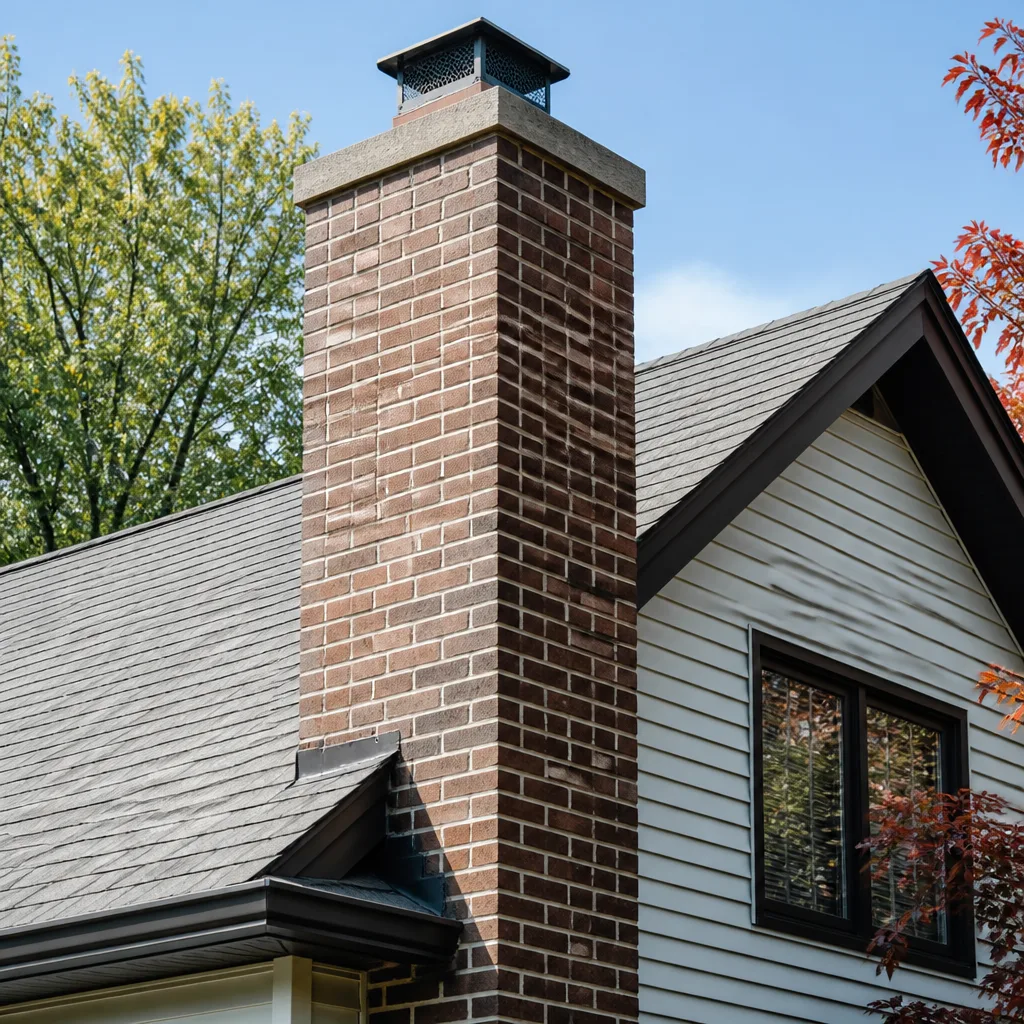 Masonry repair
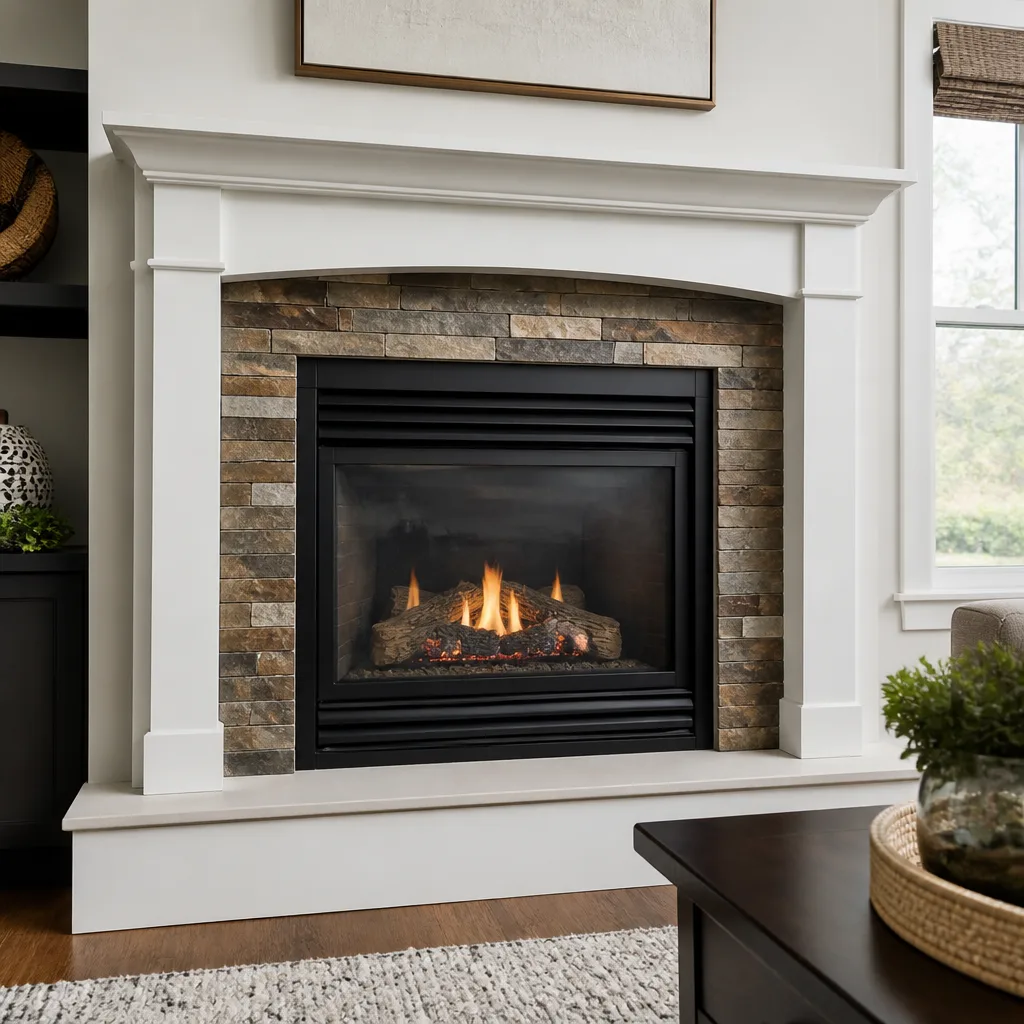 Gas fireplace service
Level 1 sweep and inspection to the NFPA 211 annual standard - flue, crown, cap, and flashing checked and photographed
Chimney sweep logs do not sweep chimneys. They loosen some creosote - which then falls where a brush and vacuum still have to collect it.
Chimney Sweep Maintenance Schedule: What to Do and When
A homeowner who burns two cords of wood a winter and one who lights six fires a season should not be on the same maintenance schedule, but nearly every chimney guide treats them identically. The “once a year” rule gets repeated so often that many Spokane Valley homeowners assume a single annual sweep covers every situation, whether they run a wood stove hard from October to March or occasionally light a gas insert. Fuel type, burn hours, and appliance design are the variables that actually determine when a chimney needs attention, and they change the answer more than most people realize. This guide builds a calendar around real usage patterns instead of a generic rule, so you know what to do and when, month by month.
Quick Answer
The right schedule depends on what you burn and how often. A heavily used wood-burning fireplace or stove should be swept once a year, often before the heating season, and inspected annually; a gas insert or furnace flue still needs an annual inspection even though it produces far less creosote; and any chimney running softwood or unseasoned wood needs closer attention than one burning dry hardwood. For most Spokane Valley homes, that means an inspection every year and a sweep on the year’s actual buildup, scheduled before October.
Styles & brands we work with
- Sweep & inspection
- Caps & crowns
- Flue relining
- Masonry repair
- Gas fireplace service
Table of Contents
- Why Fuel Type Changes Your Schedule
- What the NFPA 211 Standard Actually Says
- A Month-by-Month Maintenance Calendar
- The Case for a Spring Inspection, Not Just Fall
- What to Check Yourself Each Month
- Spokane Valley Seasonal Timing
- Inspection Levels and What Each Covers
- Common Mistakes to Avoid
Why Fuel Type Changes Your Schedule
Fuel type is the first variable, and it’s the one most maintenance advice skips. Creosote, the tar-like byproduct that builds up inside a flue, forms at very different rates depending on what’s burning and how completely it burns. Seasoned hardwood produces the least buildup because it burns hot and clean. Softwood and unseasoned wood produce far more, because the moisture and resin slow combustion and send more unburned material up the flue. A gas insert or furnace leaves almost no creosote at all, but it produces its own byproducts and still needs inspection. Pellet inserts fall somewhere in the middle, with ash and fine particulates that collect faster than gas but slower than smoky cordwood.
Here’s how the timelines typically break down:
- Seasoned hardwood burned regularly: annual sweep, inspected once a year.
- Softwood or unseasoned wood: sweep more often, and expect inspection to flag glazed creosote sooner.
- Gas insert or furnace flue: annual inspection, sweep only when inspection shows buildup.
- Pellet insert: annual sweep and inspection, with ash cleaning between burns.
We’ve seen Spokane Valley homeowners fall into both traps. Some over-service a lightly used gas insert by sweeping it every year when inspection would do. Others under-service a hard-working wood stove because they assumed the once-a-year rule applied no matter how much they burned. Matching the schedule to the fuel and the hours is where a good maintenance plan starts.
What the NFPA 211 Standard Actually Says
NFPA 211, the standard most chimney professionals work from, doesn’t actually say “sweep once a year.” It sets inspection requirements and ties cleaning to the degree of use and the condition of the chimney. In plain terms, the standard calls for chimneys, fireplaces, and vents to be inspected at least annually, and to be cleaned and repaired as needed. The phrase that matters most is “as needed” – it links cleaning to what inspection actually finds, not to a fixed calendar.
So what does “at least once a year” mean in practice?
- The annual inspection is the baseline. Everyone with a chimney gets one, every year, regardless of fuel.
- The sweep happens when inspection shows the buildup has reached a level that needs clearing, which may be once a year or more often.
- Degree of use adjusts the timing. Heavy burning, softwood, or a smoky fire means the same chimney reaches that level sooner.
Read this way, the standard isn’t a blanket rule – it’s a framework. The inspection tells you what your chimney needs, and the schedule follows from that. This is also why we inspect before we recommend: the condition of the flue, not a generic timeline, tells you when the next sweep is due. If you want to understand how a full annual assessment works, our page on chimney sweep service walks through it step by step.
A Month-by-Month Maintenance Calendar
Here’s a calendar built around a typical Spokane Valley heating season. Homes that burn year-round or run an oil or gas furnace shift this slightly, but the structure holds: prep before the season, watch during it, and inspect after it.
- September – pre-season inspection and sweep. Before the first cold snap, have the chimney inspected and swept. This is the busiest month, so book before October to avoid the backlog.
- October – first burn. Check the cap, damper, and firebox floor before your first fire. Confirm the flue draws correctly.
- November through February – active season. Do a quick monthly visual check (see the section below). Watch for smoke backing up, a damper that sticks, or a cap that’s shifted.
- March – last fires and post-season inspection. Once the burning season ends, have the chimney inspected again to catch winter damage before moisture sits in cracks all summer.
- April through August – repair window. Off-season is when relining, cap replacement, and masonry repair happen without pressure. Durable liner systems and resurfacing products can be installed now and settled before fall.
The single most useful change most homeowners can make to their schedule is moving the inspection from fall to a two-point check: once before the season, and once after. The spring inspection is the one that catches problems while they’re still cheap to fix.
The Case for a Spring Inspection, Not Just Fall
Most chimney advice tells you to book an inspection before winter. That’s good advice, but it misses half the story. A fall inspection confirms the chimney is ready to use. A spring inspection catches damage that happened during the winter, while it’s fresh. The difference matters because of moisture. Freeze-thaw cycles, snowmelt, and spring rain exploit any crack or gap in the chimney structure. If those cracks sit unrepaired all summer, water works deeper into the masonry, and what would have been a minor repair in April becomes a larger one by October.
In our experience, the spring inspection catches three things consistently:
- Hairline cracks in the crown or cap that haven’t yet spread into the flue.
- Loose or shifted caps and chase covers after a winter of wind and snow.
- Deteriorated mortar joints where freeze-thaw has started to open the masonry.
Addressing these in spring, with products like HeatShield resurfacing or a properly fitted Famco cap, is far easier than discovering the same issues after they’ve had a full summer of water damage. Think of the fall inspection as a readiness check and the spring one as a health check – both belong in the calendar.
What to Check Yourself Each Month
During the burning season, a handful of quick checks – done safely, from outside the firebox and with the fire fully out and cold – will catch most problems before they become expensive. These are visual checks only. We’re not going to give you a how-to for anything involving the flue interior, the chimney structure, or the interior of the firebox beyond a clear view.
- Cap condition. Look up at the cap from the ground. It should be secure, with no visible gaps or rust-through. A dislodged cap lets water and animals in.
- Damper operation. With everything cold, open and close the damper once. It should move smoothly and sit flush when closed. A sticking damper is worth a professional look.
- Firebox floor and walls. From the front, look for fresh cracks, crumbling mortar, or discoloration. Any change from what you saw last month is worth noting and calling about.
- Smoke and draft. Watch how smoke behaves on the first fire of the month. Smoke that backs up or burns sluggishly is a sign the flue needs attention.
- Creosote buildup at the smoke chamber. Peek up from the damper with a flashlight. Visible flaky or glazed creosote means it’s time for a sweep, not a wait-and-see.
These checks won’t replace an annual inspection, but they tell you when to call in the off-cycle. If any of them turns up something, a professional assessment is the right next step – not a DIY attempt inside the flue.
Spokane Valley Seasonal Timing
Spokane Valley’s heating season has its own rhythm, and the timing of a sweep follows it. The first cold snaps tend to arrive in October, and that’s when the backlog hits. Homeowners who book their sweep before October get ahead of the rush and have the work done before the first fire. The same is true of the spring window: scheduling the post-season inspection before the weather warms and the spring projects stack up means the chimney comes off the list early.
Here’s why the seasonal timing matters so much here:
- Cold snaps arrive fast. A warm September can turn into a freezing October overnight, and that’s when calls spike.
- Winter means freeze-thaw pressure. The valley’s cold winters and snowmelt put real stress on masonry, which is why the spring inspection matters more than it does in milder climates.
- The summer repair window is short. Relining, cap work, and masonry repair all happen between the last spring rain and the first fall cold snap. Booking early keeps that work inside the window.
If you’re in Spokane Valley, the practical move is to call in late summer for the fall sweep and in early spring for the post-season inspection. That puts you ahead of the curve in both directions and keeps the maintenance calendar running on time.
Inspection Levels and What Each Covers
Not every inspection is the same, and the level determines what’s actually checked. Most homeowners only ever need the first level, but knowing the difference helps you understand what you’re paying for and why a repair recommendation sometimes follows a deeper look.
- Level 1 – annual inspection. A visual check of the readily accessible portions of the chimney and firebox, done with the fire out. This is the standard annual check for a chimney with no known problems and a consistent fuel type.
- Level 2 – after a change. Required when the appliance changes, after a chimney fire, on a sale or transfer of the property, or when a problem is suspected. It includes a camera inspection of the flue interior, so the whole flue can be seen and documented.
- Level 3 – diagnostic. Reserved for a suspected hidden problem, and may involve opening up parts of the chimney to inspect concealed areas.
For most homes in Spokane Valley, the annual Level 1 inspection and an annual sweep are the whole calendar. The Level 2 becomes relevant after a chimney fire, a new appliance, or a home purchase, and it’s also the level that produces the photo evidence you can review yourself. That’s the standard we hold to: no repair recommendation without camera evidence you can see, and no pressure to fix something that can safely wait.
Common Mistakes to Avoid
- Treating “once a year” as a complete answer. The annual sweep is the floor, not the ceiling. A hard-burning wood stove and a lightly used gas insert need different schedules, and the fuel type is the variable that sets them apart.
- Skipping the spring inspection. Many homeowners only think about the chimney in fall. The spring check catches winter damage while it’s still small, before summer moisture gets into cracks.
- Burning unseasoned or softwood without adjusting the schedule. Wet wood and softwood leave far more creosote than dry hardwood. If that’s what you burn, sweep more often and expect inspection to flag glazed buildup sooner.
- Waiting until the first cold snap to call. October is the peak, and the backlog builds fast in Spokane Valley. Booking in September or earlier puts you ahead of it.
- Ignoring a sticking damper or backed-up smoke. Those are signs the flue needs a professional look, not a wait-and-see. Catching them early avoids a bigger repair later.
- Assuming a gas insert needs no maintenance at all. Gas produces little creosote, but the flue still needs an annual inspection to confirm it’s venting correctly.
- Putting off small cap and crown cracks. These are the repairs that grow through freeze-thaw. Fixing them in spring is far cheaper than discovering them in fall.
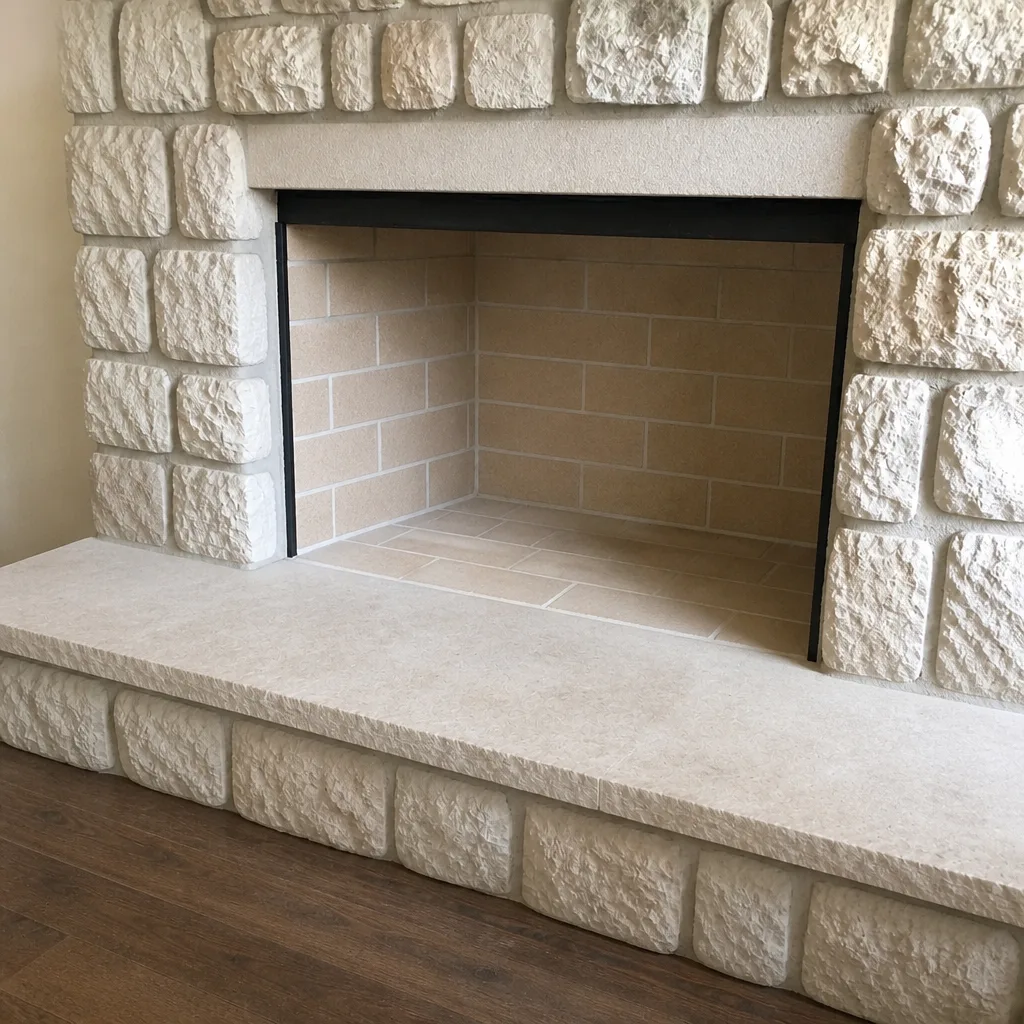
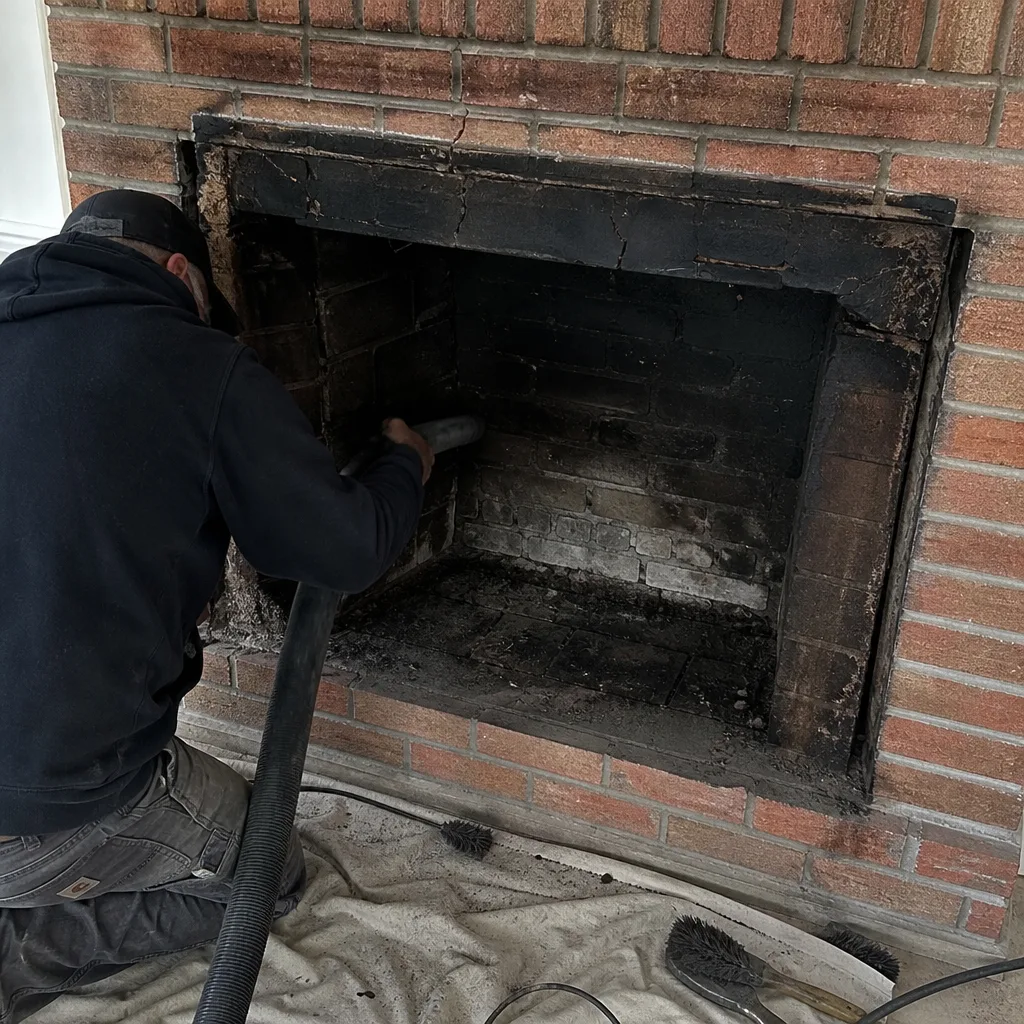
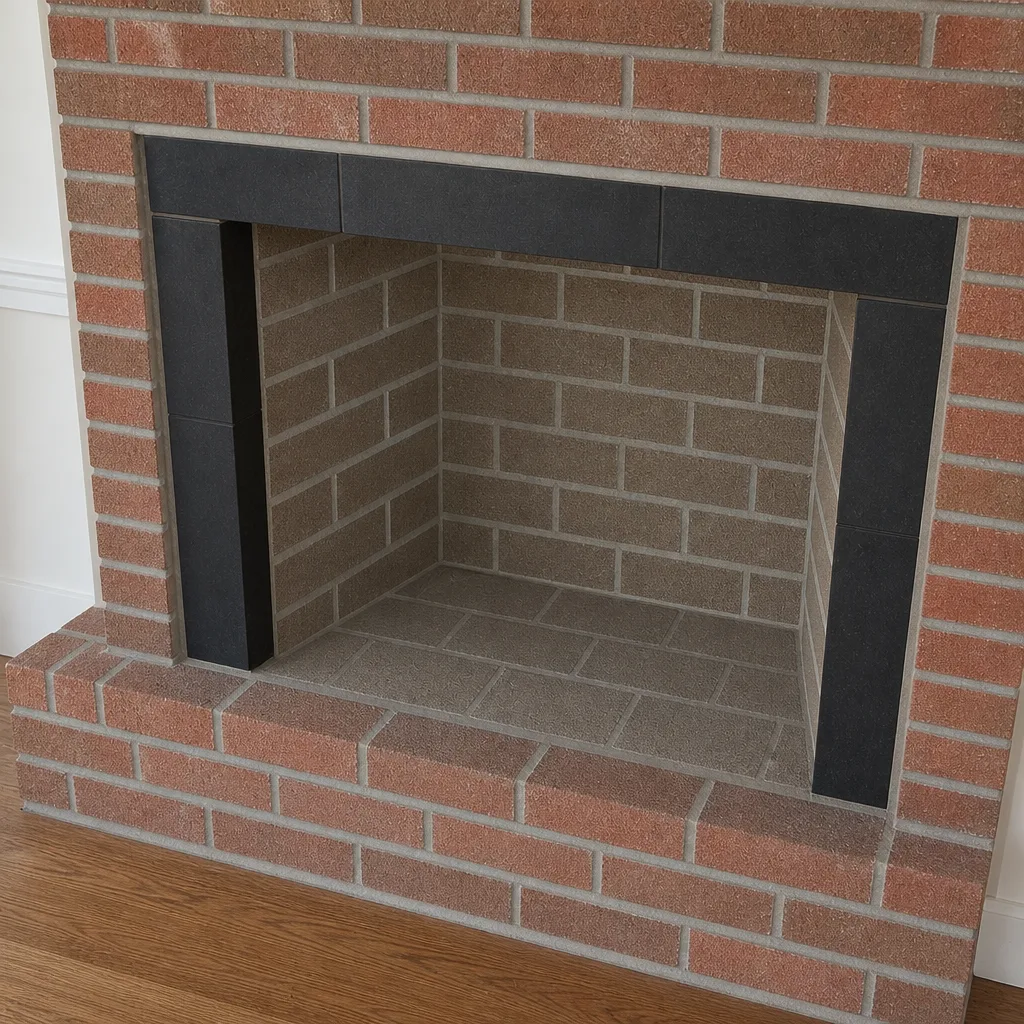
See the difference
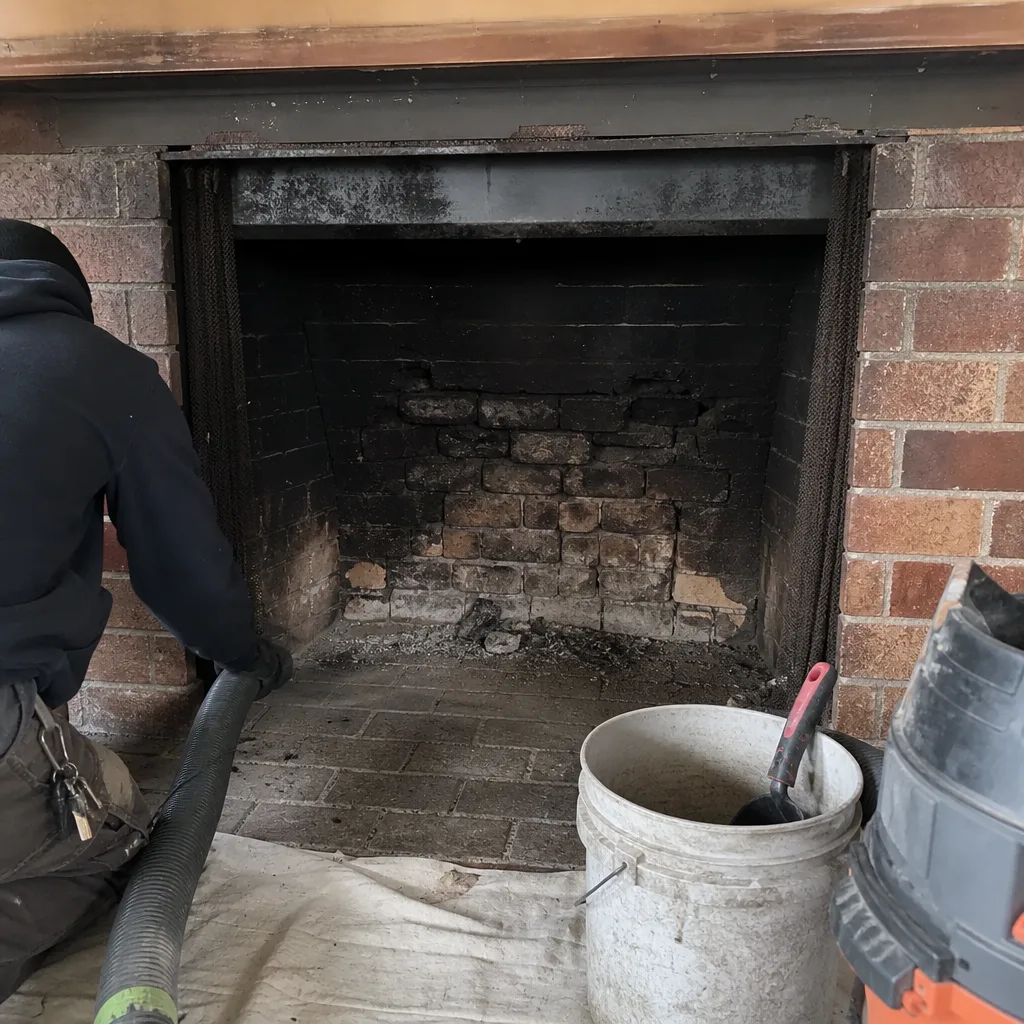 Before
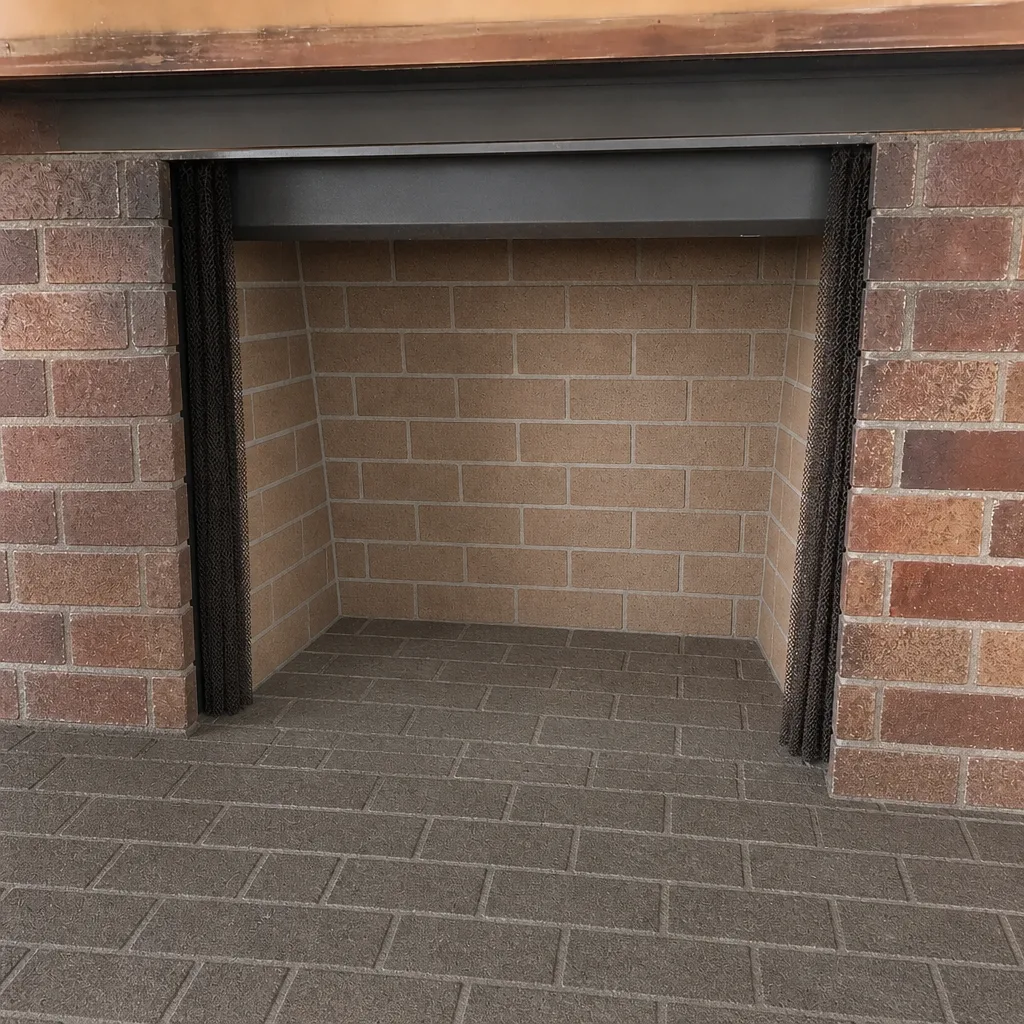 After
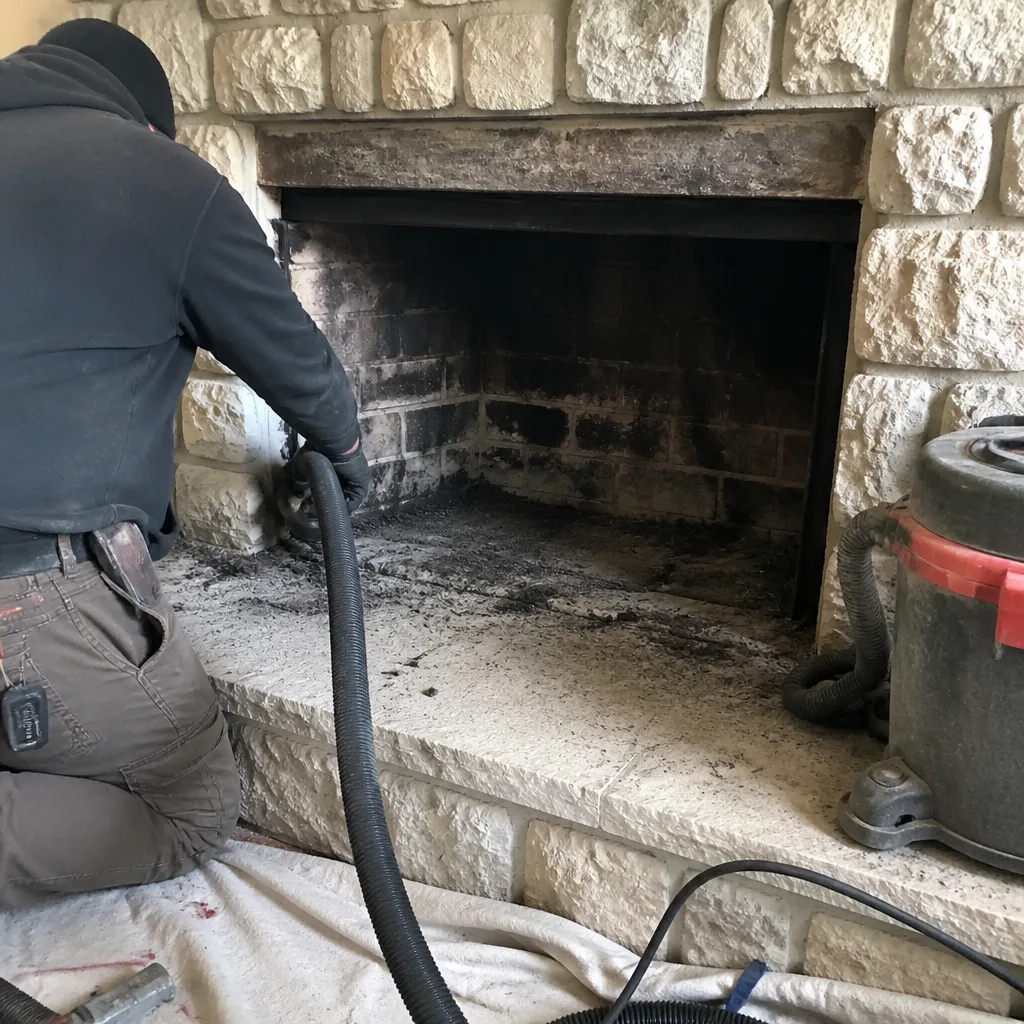 Before
 After
 Before
 After
When to Call a Professional
Some jobs belong in the hands of a trained technician. Call a professional if you see glazed or flaky creosote at the smoke chamber, if smoke backs into the room when you light a fire, if the damper sticks or won’t seal, if you notice new cracks in the firebox or crown, or if a cap is loose or missing. A chimney fire, even a small one, means an inspection before the next fire. A new appliance or a home purchase calls for a Level 2 inspection with a camera look at the flue. Bellmont Chimney Sweep offers free estimates in Spokane Valley – call (844) 734-4138. Our technicians have up to 13 years of experience, and we inspect before we recommend so you get a straight answer. If repair work is needed, we handle it under the same company with professional-grade DuraFlex and HeatShield products, so you’re not handed off to a second contractor mid-project. Call (844) 734-4138. We answer 24/7. Fast dispatch from 7am to 7pm, Sunday through Friday.
Frequently Asked Questions
For most Spokane Valley homes, a chimney should be inspected once a year and swept when inspection shows buildup, which for a regularly used wood-burning fireplace usually works out to once a year. A heavily used wood stove or a chimney burning softwood or unseasoned wood may need more frequent sweeping, while a gas insert with little buildup may only need the annual inspection. The practical answer is to inspect annually and let the condition of the flue set the sweep timing. Call (844) 734-4138 for an exact assessment – estimates are free.
NFPA 211 doesn’t say “sweep once a year” exactly – it calls for chimneys and vents to be inspected at least annually and cleaned and repaired as needed, tying the cleaning to the degree of use and the condition of the chimney. In practice, that means the annual inspection is the fixed point, and the sweep happens when inspection finds buildup. A hard-working wood stove in Spokane Valley may hit that threshold every year, while a gas insert may not. Call (844) 734-4138 to schedule an inspection – estimates are free.
Yes, and it’s the step most homeowners skip. The fall sweep confirms the chimney is ready for winter; the spring inspection catches damage that happened during the season, before moisture settles into cracks over the summer. In Spokane Valley’s cold winters and freeze-thaw cycles, that spring check is where small cracks get caught before they spread. Call (844) 734-4138 to book the spring inspection – estimates are free.
Both still need an annual inspection, but they sweep on a different rhythm than cordwood. A gas insert produces very little creosote, so the sweep happens only when inspection shows buildup, while the annual inspection confirms the flue is venting correctly. A pellet insert collects ash and fine particulates faster than gas but slower than smoky wood, so it’s typically swept annually alongside the inspection. Call (844) 734-4138 for a free estimate on your specific setup.
From outside the firebox and with the fire fully out and cold, check the cap condition, the damper operation, the firebox floor and walls for new cracks, and how smoke behaves on the first fire each month. A flashlight look up at the smoke chamber for visible creosote is also a good check. Anything beyond a visual inspection belongs in professional hands. Call (844) 734-4138 if a monthly check turns up something – estimates are free.
Book before October. The first cold snap tends to arrive in October, and that’s when calls spike in Spokane Valley – getting your sweep scheduled in late summer puts you ahead of the rush and gets the work done before the first fire. The same logic applies to spring: book the post-season inspection before the warm-weather rush. Call (844) 734-4138. We answer 24/7. Fast dispatch from 7am to 7pm, Sunday through Friday.
The Bottom Line
A single annual sweep is the floor, not the ceiling. The right chimney maintenance schedule depends on what you burn and how hard you burn it: a heavily used wood stove needs more frequent sweeping than a lightly used gas insert, and both need an annual inspection. Two calendar anchors do the heavy lifting – a pre-season inspection and sweep before October, and a post-season inspection in spring that catches winter damage before summer moisture gets into cracks. The rest is monthly visual checks and knowing when to call a professional. If you want the schedule handled for you, from the first fall sweep through any chimney repair the inspection turns up, call Bellmont Chimney Sweep at (844) 734-4138 for a free estimate. Our technicians have up to 13 years of experience, and we use professional-grade products from DuraFlex, HeatShield, Gelco, Olympia Chimney, Famco, and Copperfield. Estimates are free. We answer 24/7. Fast dispatch from 7am to 7pm, Sunday through Friday. Closed Saturday.
Written by the team at Bellmont Chimney Sweep.