
Last updated November 15, 2026
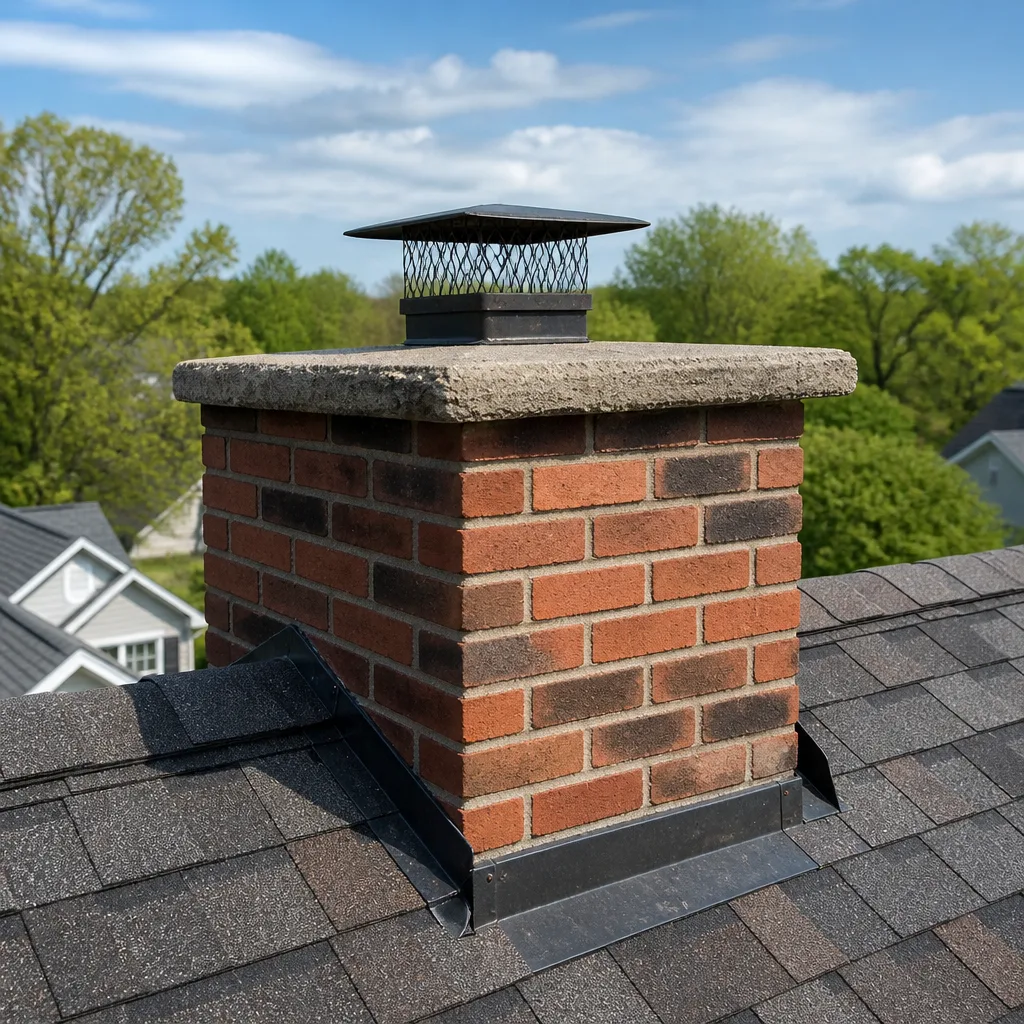 Sweep & inspection
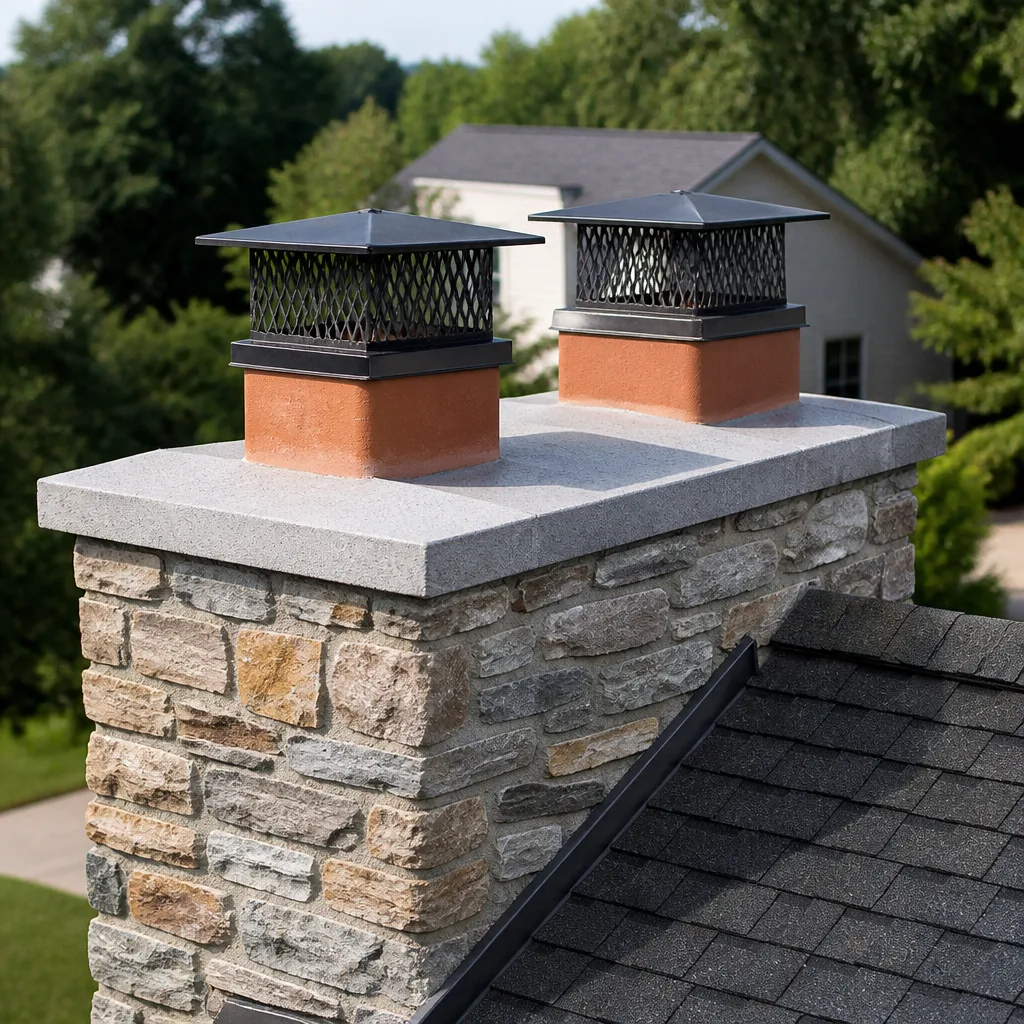 Caps & crowns
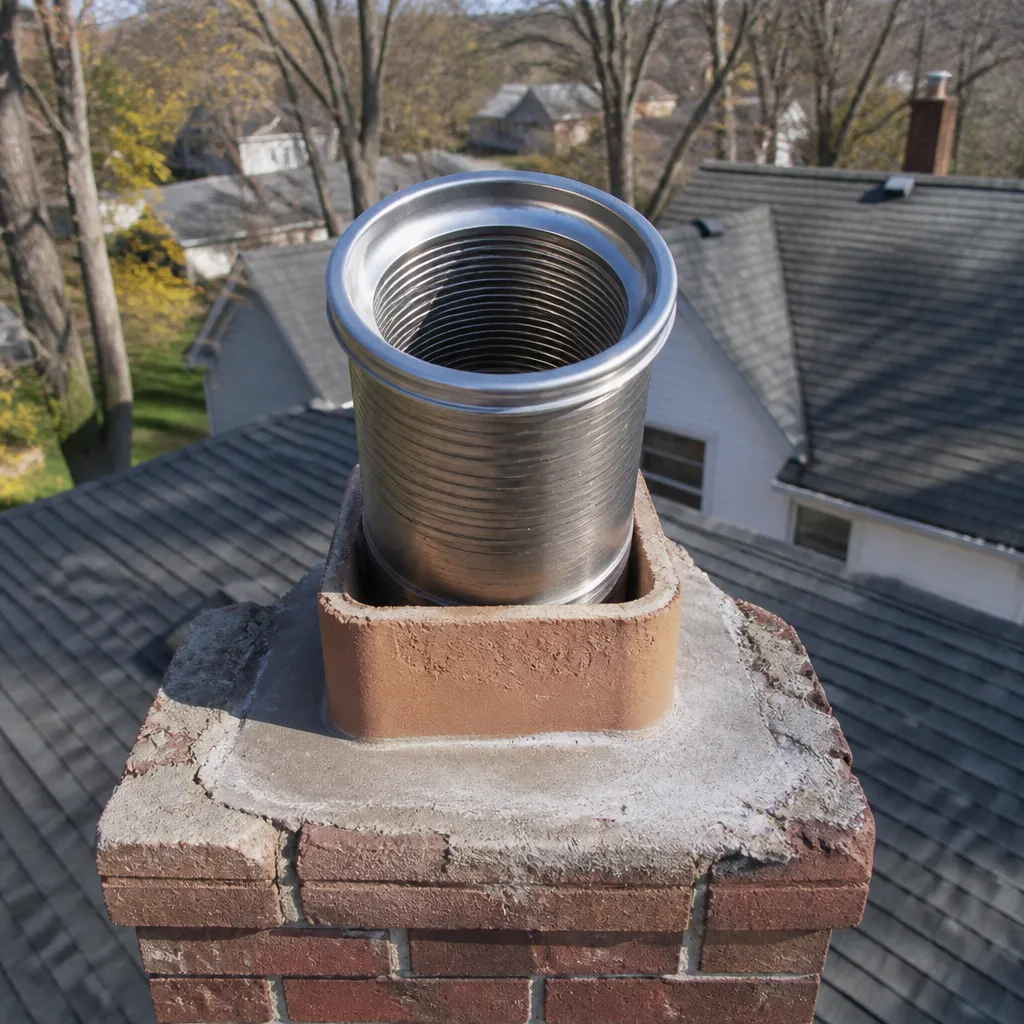 Flue relining
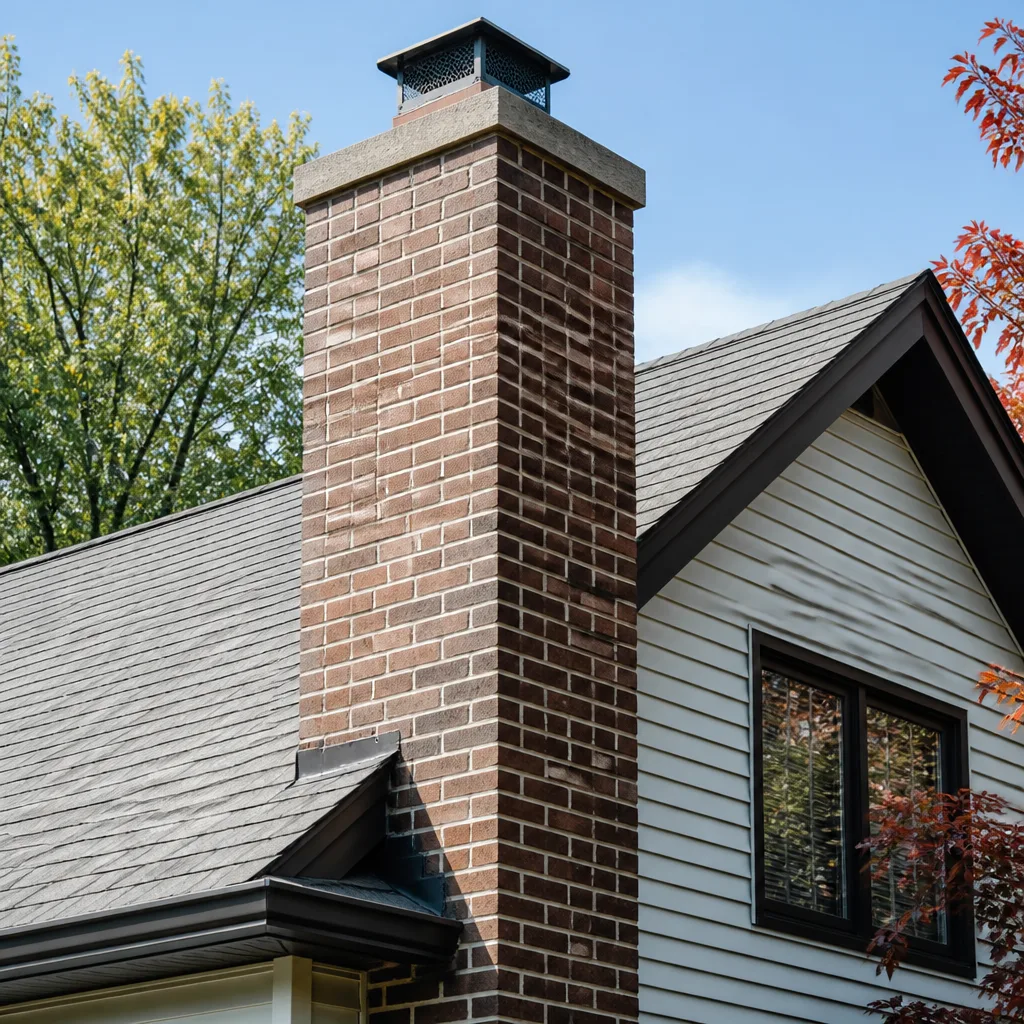 Masonry repair
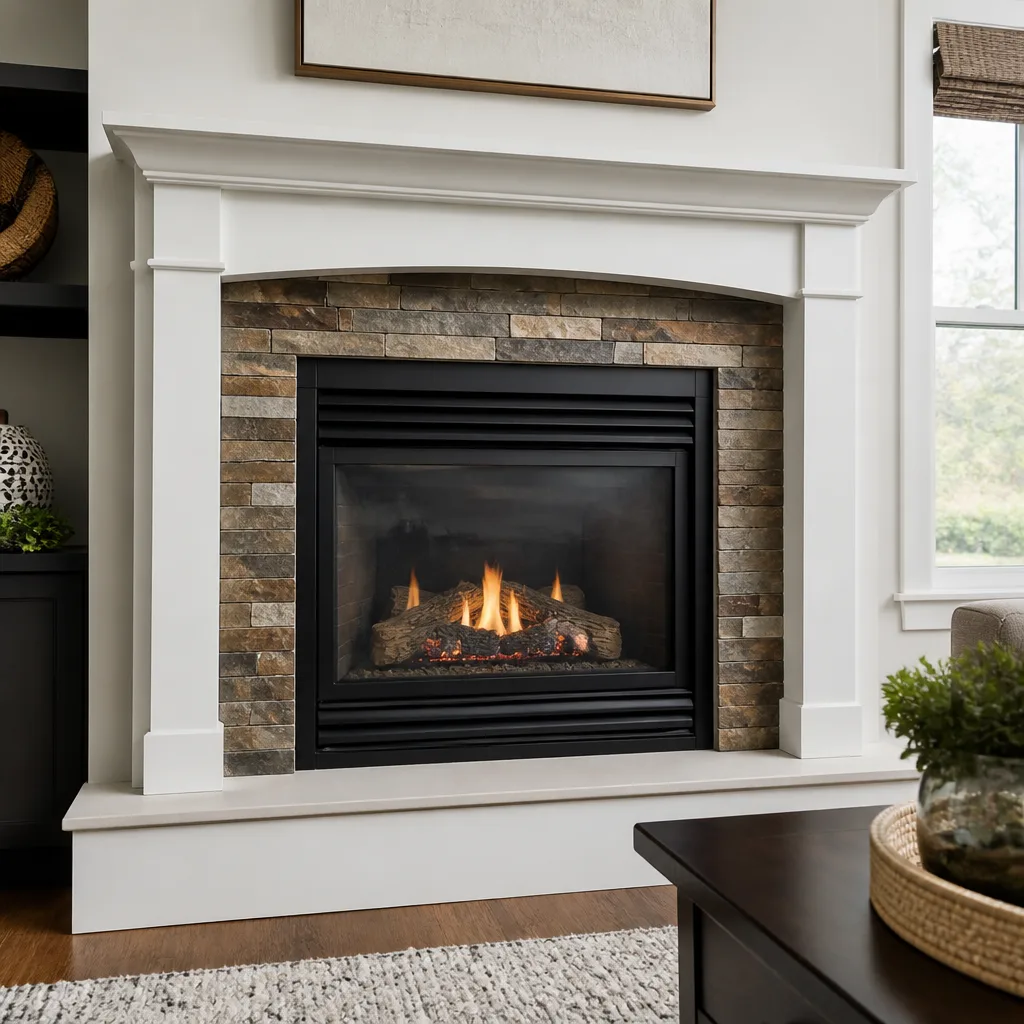 Gas fireplace service
Level 1 sweep and inspection to the NFPA 211 annual standard - flue, crown, cap, and flashing checked and photographed
Chimney sweep logs do not sweep chimneys. They loosen some creosote - which then falls where a brush and vacuum still have to collect it.
Chimney Cleaning Cost Breakdown: The Spokane Valley Homeowner’s Reference for 2026
A $99 chimney sweep special and a $299 sweep are rarely the same service. One usually includes a visual check with no camera and no written report; the other includes documentation you can hold in your hand and use when you decide what to do next. The gap isn’t markup. It’s scope. Most homeowners shopping for chimney cleaning in Spokane Valley compare the number at the bottom of the quote and skip the part above it that tells them what the number buys. This guide breaks down what you’re actually paying for at each price point, what pushes a job above the base rate, what repairs cost when cleaning turns up a real problem, and how to compare bids line by line so price isn’t the only thing you’re weighing.
Quick Answer
Chimney cleaning in Spokane Valley typically runs about $150 to $300 for a standard sweep of an open wood-burning fireplace, $180 to $350 for an insert or wood stove, and $120 to $250 for a gas appliance flue, with most of the variables being creosote staging, liner condition, and how many flues are involved. A sweep that includes a camera inspection and a written report sits at the top of that range; a brush-and-go visit sits at the bottom. Repair work is quoted separately once the inspection shows what’s actually there, and the written estimate sets the final price.
Styles & brands we work with
- Sweep & inspection
- Caps & crowns
- Flue relining
- Masonry repair
- Gas fireplace service
Table of Contents
- Why Chimney Cleaning Costs Vary So Much in Spokane Valley
- Base Sweep Pricing by Appliance Type
- What Moves a Job Above Base Price
- Itemized Repair Cost Benchmarks
- The Cost of Deferring Maintenance
- How to Compare Quotes Apples-to-Apples
- What a Real Inspection Report Should Contain
- Timing Your Sweep Around Spokane Valley’s Burning Season
Why Chimney Cleaning Costs Vary So Much in Spokane Valley
The spread between the cheapest sweep quote and the highest one in the Spokane Valley market is wide enough to confuse anyone. The same three-bedroom house can get bids that differ by a factor of two or three, and none of them are necessarily dishonest. They’re quoting different work.
A low bid often covers a brush down the flue, a look up from the firebox, and a shop vacuum at the hearth. A higher bid usually adds a camera inspection of the flue interior, a check of the cap and crown from the roof, a written report with photos, and a technician who can tell you whether the liner is sound or heading toward failure. That’s not padding. That’s a different scope of work with a different purpose: one cleans, the other documents the condition of a component you can’t see.
In the Spokane Valley area, a few local conditions shape what a sweep actually involves. Wood-burning is common here, and the long heating season means flues accumulate creosote steadily between cleanings. The dry summers and the freeze-thaw cycles of winter work on masonry and crowns in ways that show up during inspection, not during sweeping. A technician who inspects properly will recognize that a crown with a hairline crack in spring can become a real water-intrusion problem by the following winter, and a report that captures it early is worth more than a slightly cheaper brush-and-go visit.
What you’re really buying at any price point is a document that tells you what shape the chimney is in. Some quotes include that. Some don’t. Knowing which category a bid falls into is the whole game.
Base Sweep Pricing by Appliance Type
Base sweep pricing in Spokane Valley differs by appliance because each type involves different access, different residues, and different cleaning tools. Here are the typical 2026 ranges you should expect to see in a quote for a straight sweep of a single flue with no unusual conditions:
| Appliance Type | Typical 2026 Range | What It Usually Covers |
|---|---|---|
| Open wood-burning fireplace | $150 – $300 | Brush sweep of the flue, firebox cleaning, visual check, basic report |
| Wood stove or insert | $180 – $350 | Disassembly of baffle or damper as needed, brush sweep, gasket check, report |
| Gas appliance flue | $120 – $250 | Vent inspection, debris removal, draft check, report |
| Oil or gas furnace flue | $140 – $280 | Vent sweep, draft verification, connector check, report |
These are estimates, not a menu. The written estimate you receive before work begins is what sets the actual price.
Why the differences? An open fireplace is usually the simplest sweep because the firebox is accessible and the flue is often straight. A wood stove or insert takes more time because baffles, secondary burn tubes, and gaskets come out and go back in, and any heavy creosote in a flue designed for controlled burn needs more careful handling. Gas and oil appliance flues don’t accumulate the same volume of creosote as wood, but they demand a draft check and a close look at the vent connector, because a blocked or deteriorated vent on a gas appliance is a carbon monoxide concern, not just a soot concern.
If your home has two wood-burning flues, expect to pay roughly twice the single-flue rate. A second flue adds time and inspection, not just a second brush pass. If your setup includes a fireplace plus a furnace flue, both should be on the estimate, and a technician should tell you clearly which one needs attention first.
When a Spokane Valley homeowner calls us for a chimney sweep, we quote from what we see on arrival, then confirm it in writing before any work starts. That flat-price approach is what we recommend asking for, from any chimney company you talk to.
What Moves a Job Above Base Price
Base pricing assumes a routine sweep of a reasonably sound flue. Several things push a job above base, and knowing them in advance is what keeps the final number from surprising you.
Creosote staging
Creosote is graded by how far it has advanced. Stage 1 is a light dusting that brushes off easily. Stage 2 is flaky and crusty and takes more work, more passes, and sometimes a chemical agent to soften the deposit before sweeping. Stage 3 is glazed, tar-like, and hardened to the flue wall, and it’s the stage that represents a real chimney fire hazard. A Stage 2 or Stage 3 flue can add 30% to 60% to the sweep cost, or more depending on how much of the flue is affected. Stage 3 is also where we recommend looking at the liner, because heavy glazed creosote is often a sign that the flue has been running poorly for a while.
Liner condition
A clay tile liner with cracked joints or a badly deteriorated flue means the sweep is the start of a conversation, not the end of one. The technician has to work carefully around damaged tile to avoid dislodging pieces, and the report will flag the liner for repair. If the liner is too rough to be safely swept, the conversation moves straight to relining.
Access difficulty
Roof access matters. A steep pitch, a roof with a complicated profile, a cap that was installed badly and is difficult to remove, or a flue with an offset that catches a brush and won’t clear the bend all add time. This is often an honest reason for the higher quote, and it’s one worth asking about directly if you see it on an estimate.
Number of flues and appliances
Two flues mean two sweeps, two inspections, two reports. A house with a fireplace and a separate furnace flue should see both on the estimate with a price next to each, not bundled into a single line.
What’s included matters as much as what’s extra
When we inspect a Spokane Valley home, we treat the sweep and inspection as one integrated service. We include a camera inspection and a written report so the homeowner can see what we saw. That’s not an upsell; it’s the only way the recommendation on the report is credible. Without documentation, “you need a liner” is just a guess.
Itemized Repair Cost Benchmarks
When a chimney sweep inspection turns up a real problem, the repair cost depends on the component and the product used. Here are typical 2026 ranges for the work we most often see coming out of a sweep in Spokane Valley. Every one of these is quoted from the written estimate after the inspection, never over the phone.
- Full flue relining: $2,800 – $6,500, depending on liner length, diameter, insulation, and whether the existing flue needs any prep work. We install stainless liner systems, including DuraFlex, because that’s what the professionals specify. A proper liner, correctly sized and insulated, is what makes a wood-burning system safe to keep using.
- Flue resurfacing with HeatShield: $1,200 – $3,000, depending on the length of flue and how much of the interior is compromised. HeatShield is a professional resurfacing product used to seal cracks and restore a clay liner surface without a full reline. It’s not right for every liner, but where it fits, it can extend the working life of a flue significantly and costs less than relining.
- Crown coating: $600 – $1,500, depending on crown size and condition. A cracked or spalling crown lets water into the masonry from above. Crown coating with a professional product like CrownCoat seals the surface and stops that intrusion. Left alone, a failing crown turns into a masonry repair, which is several times the cost.
- Cap replacement: $250 – $650. A stainless cap with a properly fitted spark screen is standard. We work with Gelco, Olympia Chimney, and Famco products for caps and chase covers, and the right cap makes a real difference against rain and animal entry.
- Damper replacement: $350 – $900. A rusted or seized damper wastes heat up the chimney, and an improperly fitted one can affect draft. Top-sealing dampers cost more but improve efficiency noticeably.
- Masonry repointing or tuckpointing: $800 – $2,500, depending on the extent and height of the affected area. This is the repair a neglected crown often leads to.
These are ranges for the Spokane Valley market. The final number comes from the written estimate.
Our approach is that the technician who inspects is part of the same team that repairs, so there’s no hand-off to a second contractor and no finger-pointing between vendors when something goes wrong. When a repair is beyond a simple component swap, we’re not sending the job out.
The Cost of Deferring Maintenance
The most expensive chimney repair is almost always the one that got postponed. Comparing early repair to delayed repair makes the point better than any warning:
- Crown crack caught at sweep: $600 – $1,500 for crown coating. Chimney stays sound, masonry protected.
- Crown crack ignored for two winters: water intrusion damages the brick and mortar below, requiring masonry repair at $800 – $2,500, plus the crown coating on top.
- Hairline flue crack caught on camera: HeatShield resurfacing at $1,200 – $3,000. Flue is restored, appliance stays usable.
- Hairline flue crack ignored until the tile spalls: full reline at $2,800 – $6,500, plus the inspection and prep time to assess what else got compromised.
- Stage 2 creosote caught at sweep: extra sweep time and a chemical treatment, adding 30% to 60% to a base sweep.
- Stage 3 glazed creosote ignored: a chimney fire risk, a flue that may need to be relined after the fire, and a home that may not be safely usable until the repair is done.
In Spokane Valley, the winters are cold and long, and the fire gets used for months at a stretch. That pattern means creosote builds steadily, and a flue that wasn’t swept in the fall is carrying more deposit into the next burning season than most homeowners realize. The right time to find out is during a sweep, not when the chimney is failing.
We say plainly when a repair can safely wait. If the report shows something minor that isn’t progressing, we’ll tell you it can wait and what to watch for. The point of a report is honest prioritization, not pressure.
How to Compare Quotes Apples-to-Apples
Before price becomes the deciding factor, put two or three quotes side by side and check for these line items. A quote missing more than one of them is usually priced lower because it’s doing less.
- Is the inspection included, and is it camera-based? A visual look up the flue is not the same as a camera inspection with images you can see. Ask which one is in the quote.
- Is a written report included? Ask to see a sample report before you book. If the technician can’t produce one, you’re buying a service with no documentation.
- Is the flue liner assessed and photographed? This is the single most important part of the inspection. A quote that doesn’t mention liner condition is a cleaning, not an inspection.
- Is roof access included, or is there a separate charge for it? Some quotes add a roof charge. Ask before booking.
- Is the price flat-rate and confirmed before work begins, or is it hourly? Flat-price agreed before booking is what we recommend, so you know the number going in.
- Does the quote itemize repairs separately from the sweep? Bundled numbers hide scope. Repairs should be line-itemed with a product named for liner and resurfacing work.
- Who does the repair if something is found? If the answer is “we refer it out,” you’ll be dealing with two companies and two sets of expectations. One company accountability from sweep to repair is worth paying for.
When we quote a chimney repair, we list the products and the scope in the written estimate so the homeowner can compare it to another bid line by line. That’s how the comparison should go. Price matters, but it comes after scope.
What a Real Inspection Report Should Contain
An inspection report is only useful if it tells you what to do, in order. Here’s what should be in one:
- Photos of each component – firebox, damper, flue interior at multiple heights, crown, cap, and any exterior masonry.
- Creosote staging – Stage 1, 2, or 3, noted clearly, with the basis for the classification.
- Liner condition – intact, cracked, spalled, or deteriorated, with photos of any damage.
- Crown and cap condition – with a clear note on whether repair is urgent, moderate, or can wait.
- Draft and ventilation notes – for gas and oil appliance flues, a draft check is essential.
- A prioritized repair list – what should be done now, what can wait, and what to watch.
If the report recommends a repair, the photos should support it. If the recommendation doesn’t have evidence behind it, ask why. Nobody should be recommending a $4,000 liner job without showing you the reason on a screen or on paper. That’s the promise we work to.
Timing Your Sweep Around Spokane Valley’s Burning Season
Late summer and early fall are the right time to book a sweep in Spokane Valley. The fire hasn’t been used heavily for months, the flue is accessible, and there’s still time to complete any repair before the first cold snap. Booking after the first cold week is when scheduling gets tight across the whole market.
If you burn wood through the winter, one sweep per year is the general rule for a working fireplace. A home that burns heavily may need one inspection per year with a sweep as the inspection indicates. A gas fireplace or insert needs less frequent sweeping but should still be inspected regularly because the venting is the safety-critical part. A furnace flue should be inspected annually alongside the furnace service.
If your chimney hasn’t been touched since you moved into a Spokane Valley home, book a sweep and inspection regardless of season. There’s no way to know what shape the flue is in without looking.
Common Mistakes to Avoid
- Choosing the lowest bid without comparing scope. The lowest quote is often a brush-and-go with no camera and no report. Two sentences of line items separate the real sweep from the cheap one; ask for them.
- Accepting a repair recommendation with no photos. If a technician says you need a liner, ask to see the evidence. A recommendation without a photo is a guess, and in Spokane Valley’s older housing stock, a guess about a liner can cost thousands.
- Skipping the inspection because the sweep “looked fine.” A clean flue is not a safe flue. Cleaning removes creosote; inspection finds the cracked tile or failing crown that cleaning can’t see.
- Burning unseasoned wood to save money. Wet wood creates more creosote per fire, which pushes a flue into Stage 2 faster and increases the next sweep cost and the fire risk. Seasoned wood is cheaper in the long run.
- Ignoring a cracked crown until spring. Water intrusion through a failing crown is the most common cause of masonry repair we see. Crown coating in fall is far cheaper than repointing in spring.
- Booking a sweep from a company that can’t do the repair. If the sweep finds a problem, you want one company to close the loop. Hand-off between sweep and repair companies creates gaps and delay.
- Assuming gas appliances don’t need attention. Gas fireplace and furnace flues accumulate less creosote, but a blocked or deteriorated vent is a carbon monoxide risk. Annual inspection is not optional on gas.
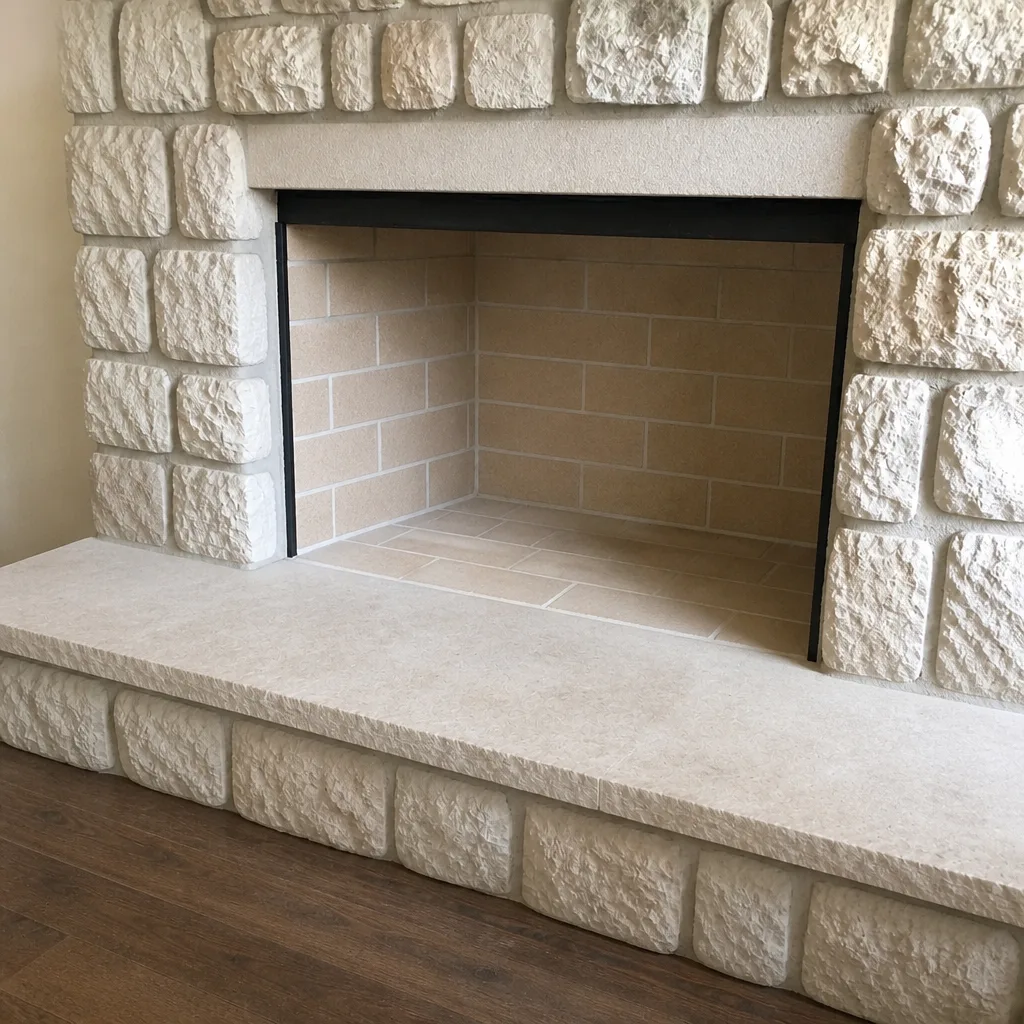
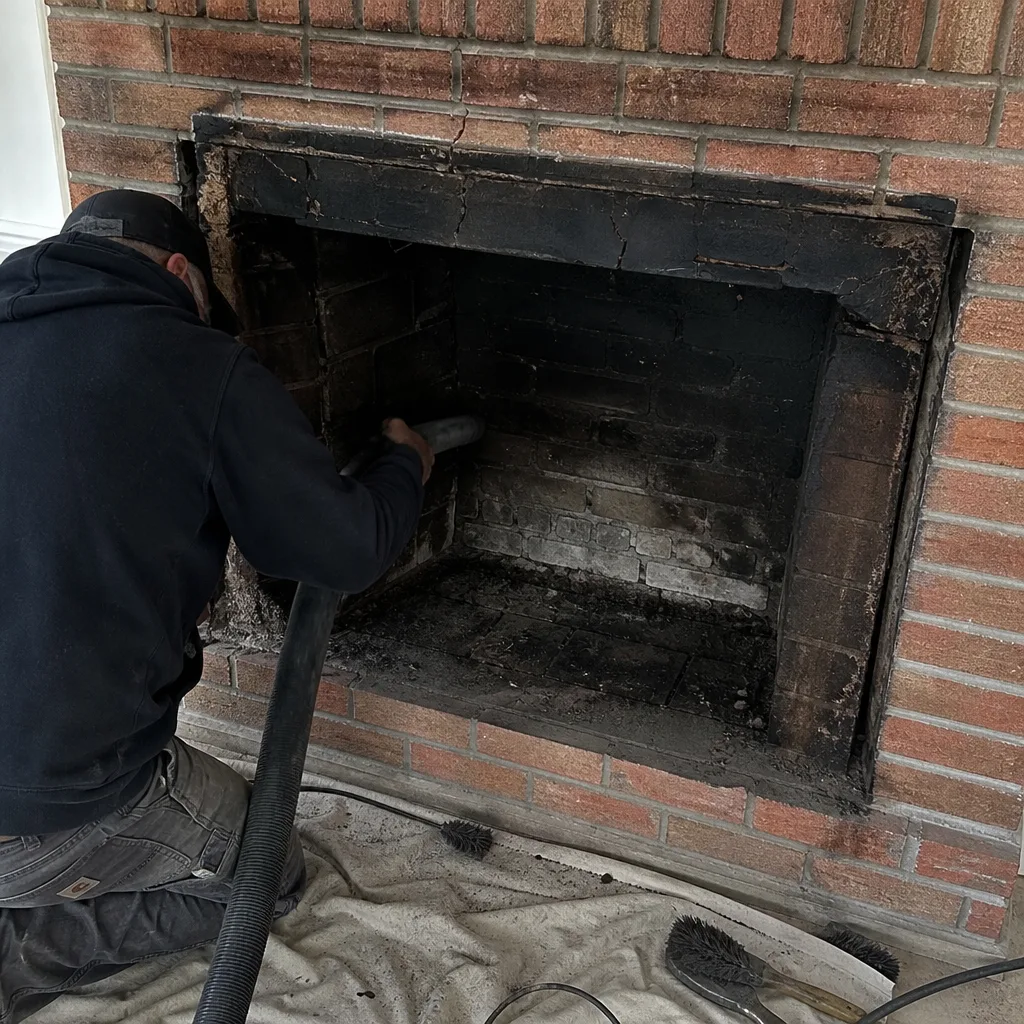
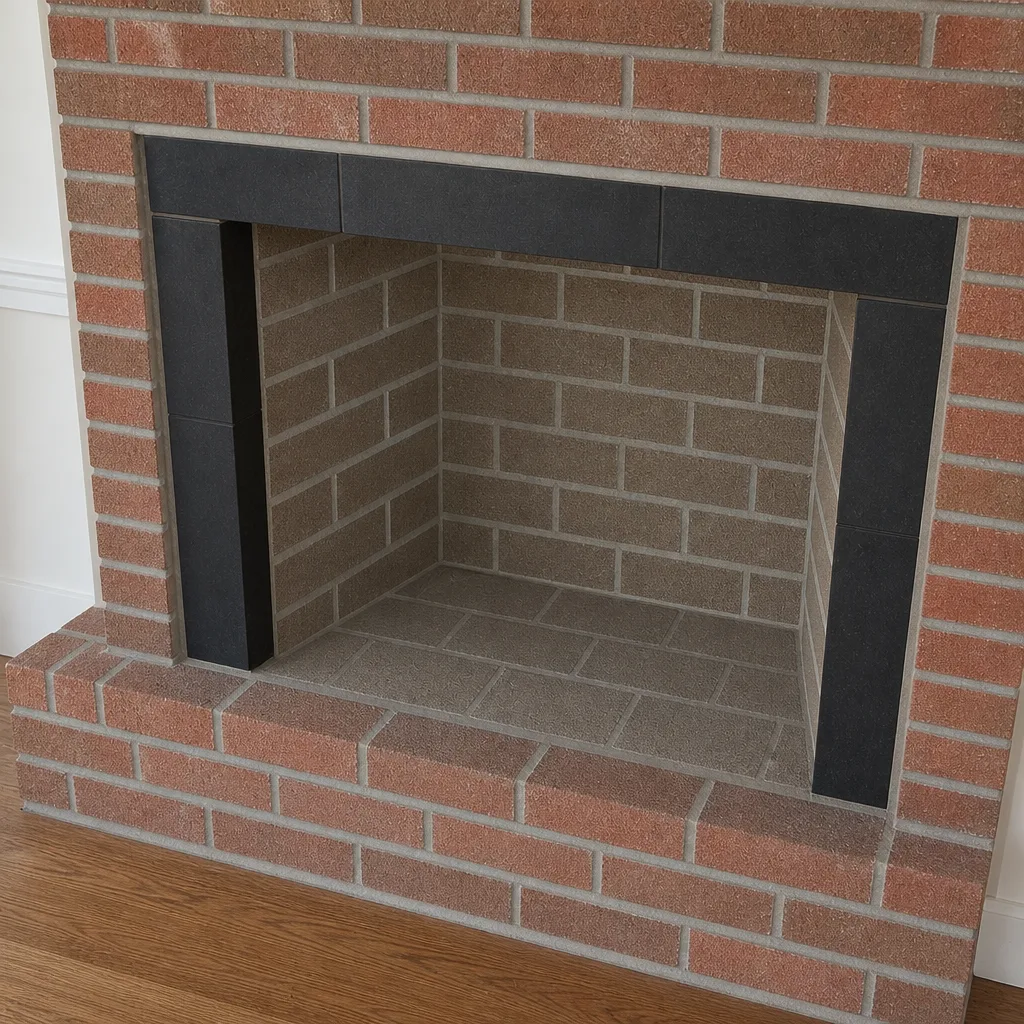
See the difference
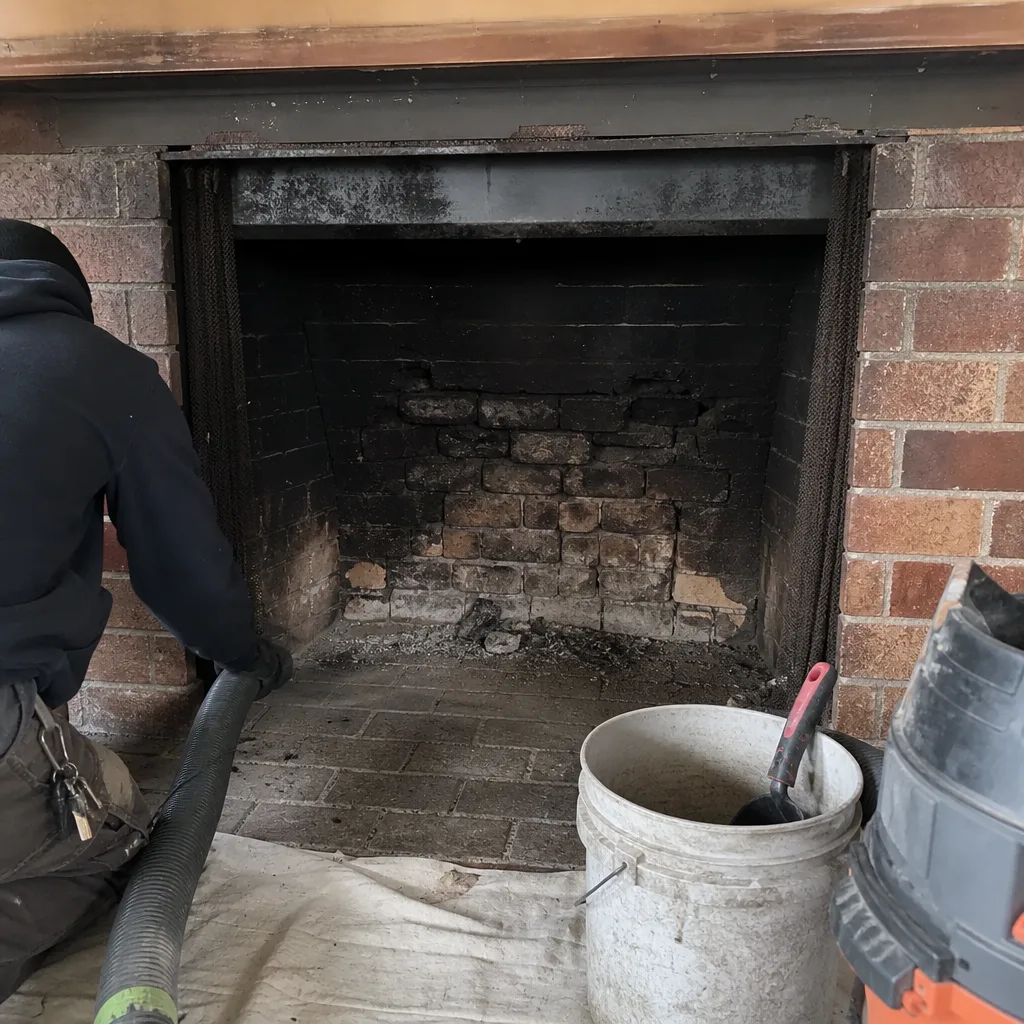 Before
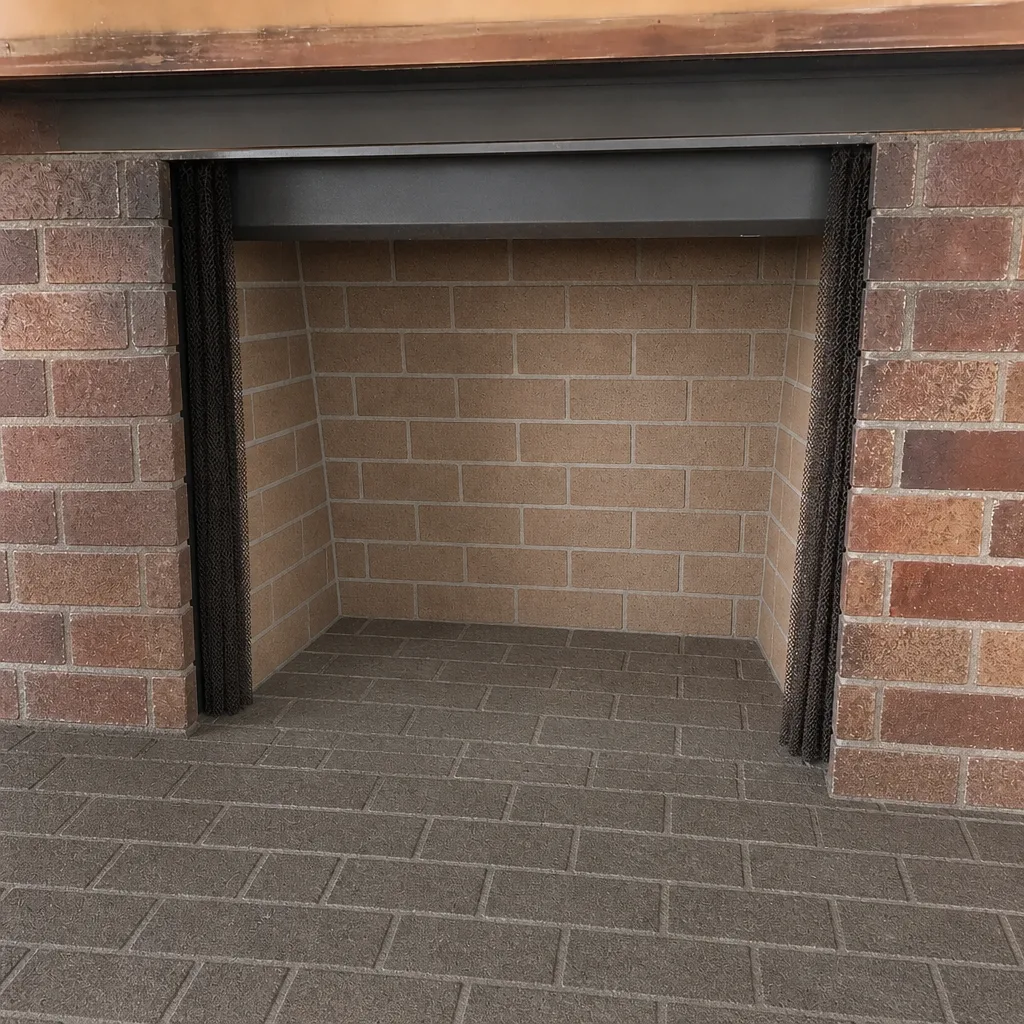 After
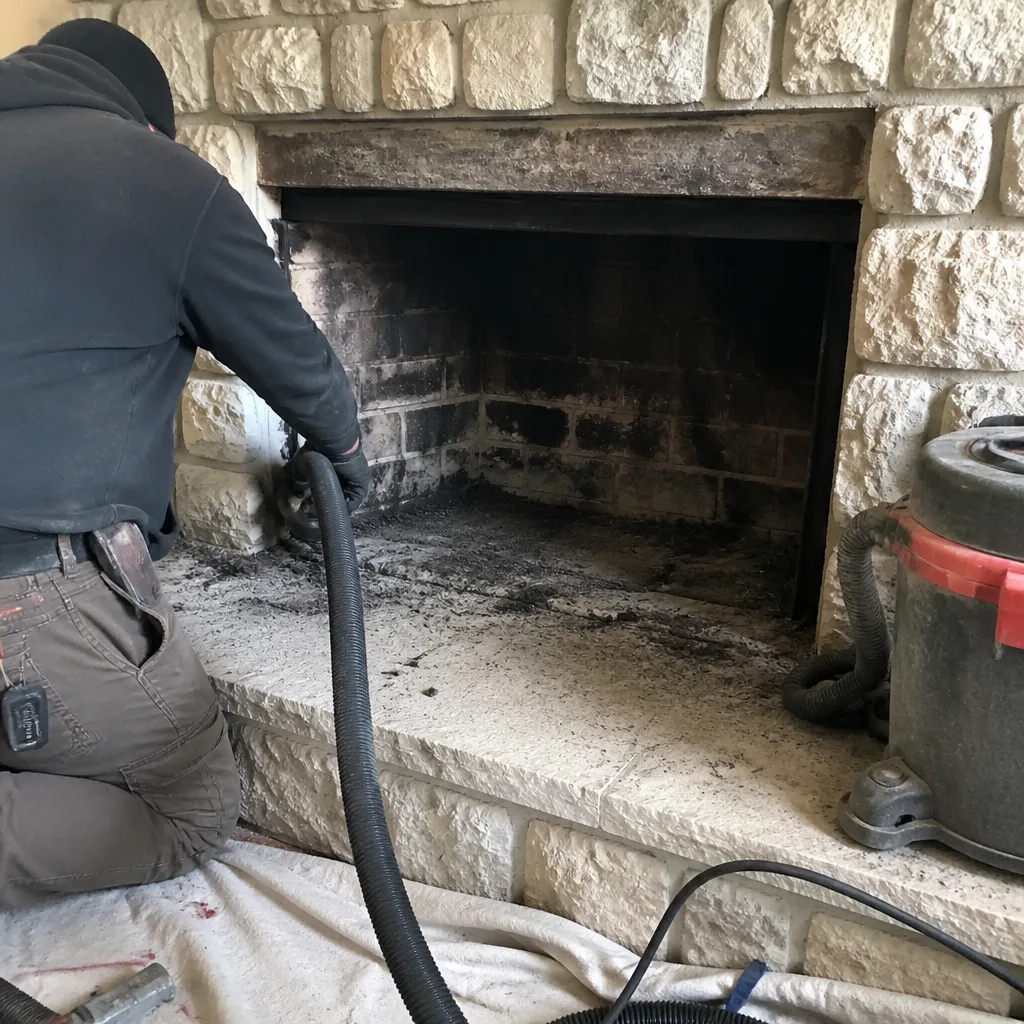 Before
 After
 Before
 After
When to Call a Professional
Call a chimney professional if you haven’t had the flue inspected in over a year, if you notice a strong creosote smell when the fire isn’t burning, if smoke backs into the room, if the damper is hard to operate or stuck, if you see cracked or spalling masonry on the exterior, if there’s water staining on the chimney or ceiling near it, or if the fire burns poorly compared to how it used to. Any of these means the chimney needs an inspection before the next fire. High-tension components and gas venting are not do-it-yourself territory. A gas flue that isn’t drafting correctly can put carbon monoxide into the living space, and that’s a trained professional’s call, not a homeowner’s. Bellmont Chimney Sweep offers free estimates in Spokane Valley – call (844) 734-4138. We answer 24/7. Fast dispatch from 7am to 7pm, Sunday through Friday.
Frequently Asked Questions
A standard sweep of an open wood-burning fireplace in Spokane Valley typically costs $150 to $300, an insert or wood stove runs $180 to $350, and a gas appliance flue runs $120 to $250, with the final price set by the written estimate. Creosote staging, liner condition, and the number of flues can push a job above that range. Call (844) 734-4138 for an exact quote – estimates are free.
The difference is scope, not markup. A $99 sweep is usually a brush pass and a quick visual look with no camera and no written report. A higher-priced sweep typically includes a camera inspection, a liner assessment, and a written report with photos you can keep and use. Before you choose a sweep in Spokane Valley, ask which of those is included. Call (844) 734-4138 to talk through what a proper sweep includes.
Only if the inspection shows the existing liner is cracked, spalled, or deteriorated to the point where it can’t safely contain the fire and flue gases. That determination should be backed by photos you can see. If a technician recommends relining without showing you the camera evidence, ask to see it. A sound clay tile liner doesn’t need replacing. Call (844) 734-4138 to book an inspection with a written report.
Once a year for a working wood-burning fireplace, with the inspection as the deciding factor if you burn heavily. A gas fireplace or insert needs less frequent sweeping but should still be inspected annually because venting is the safety-critical component. Furnace flues should be inspected alongside the annual furnace service. Our technicians have up to 13 years of experience and can tell you what your particular setup needs. Call (844) 734-4138 to book a sweep.
Creosote builds up, moves from Stage 1 to Stage 2 to Stage 3, and the chimney fire risk rises with it. A cracked crown or failing liner that wasn’t caught earlier also gets worse, and what would have been a $600 crown coating becomes an $800 to $2,500 masonry repair. The sweep and inspection are the least expensive part of owning a chimney. Call (844) 734-4138 for a free estimate on a sweep and inspection.
Yes, and that’s how we work. Sweeping, inspection, and repair are three services under one company, so the technician who inspects is part of the same team that does the repair. That eliminates the hand-off and the finger-pointing. From sweep to repair, handled by the same team. Call (844) 734-4138 for a free estimate.
The Bottom Line
Chimney cleaning costs in Spokane Valley run roughly $150 to $300 for a standard open fireplace sweep, more for inserts, stoves, and Stage 2 or Stage 3 creosote, and the spread between quotes is mostly about scope, not markup. What separates a solid sweep from a cheap one is the camera inspection and written report, and that report is what makes any repair recommendation credible. Repairs – relining, resurfacing, crown coating, cap and damper replacement – are quoted separately and should be supported by photos you can see. Comparing bids by line items before price is how you get the real value out of the estimate. And nothing is recommended that you can’t verify.
Bellmont Chimney Sweep is the full-service chimney specialist for Spokane Valley homeowners who want the sweep, the inspection, and the repair under one company. We use professional-grade materials from DuraFlex, HeatShield, Gelco, Olympia Chimney, Famco, and Copperfield because those are what professionals specify. We inspect before we recommend, and we can work with your insurer on covered claims. For a free estimate, call (844) 734-4138. We answer 24/7. Fast dispatch from 7am to 7pm, Sunday through Friday.
Written by the team at Bellmont Chimney Sweep.