
Last updated November 15, 2026
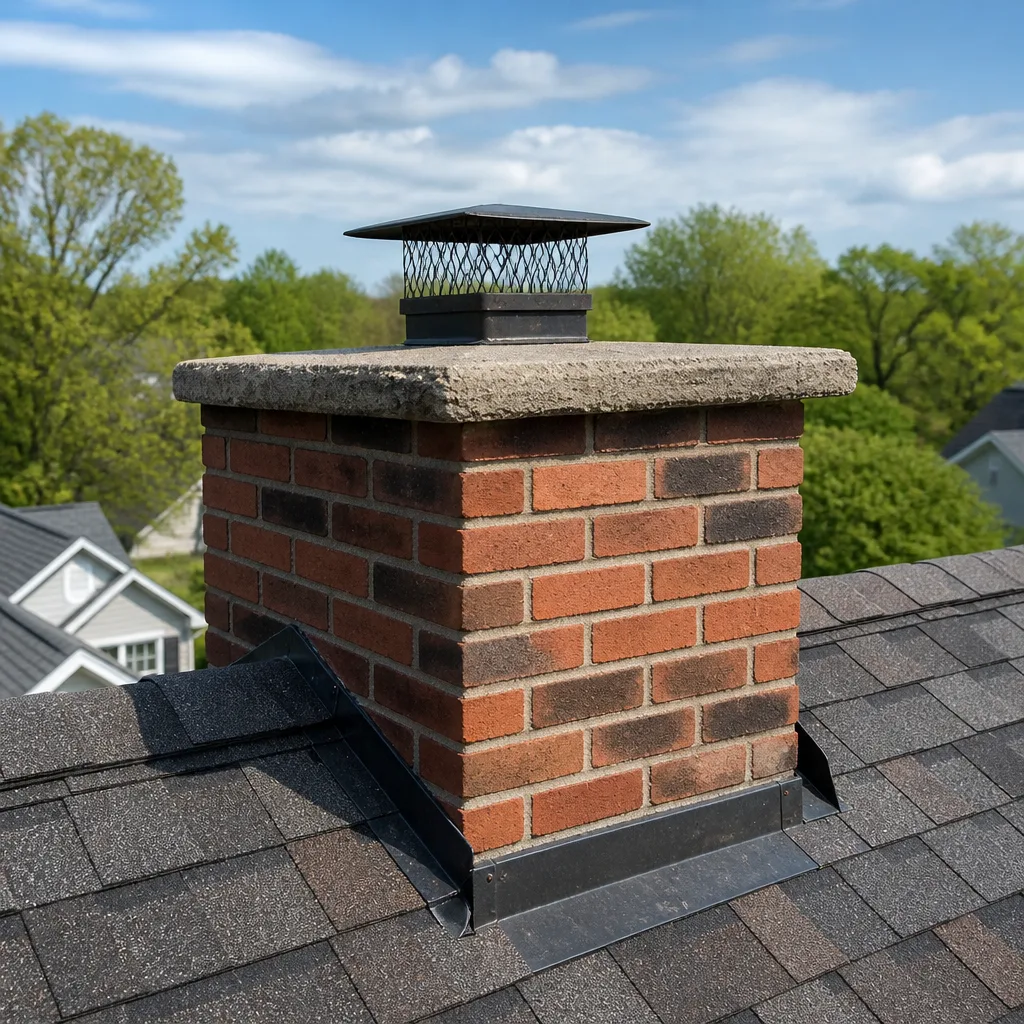 Sweep & inspection
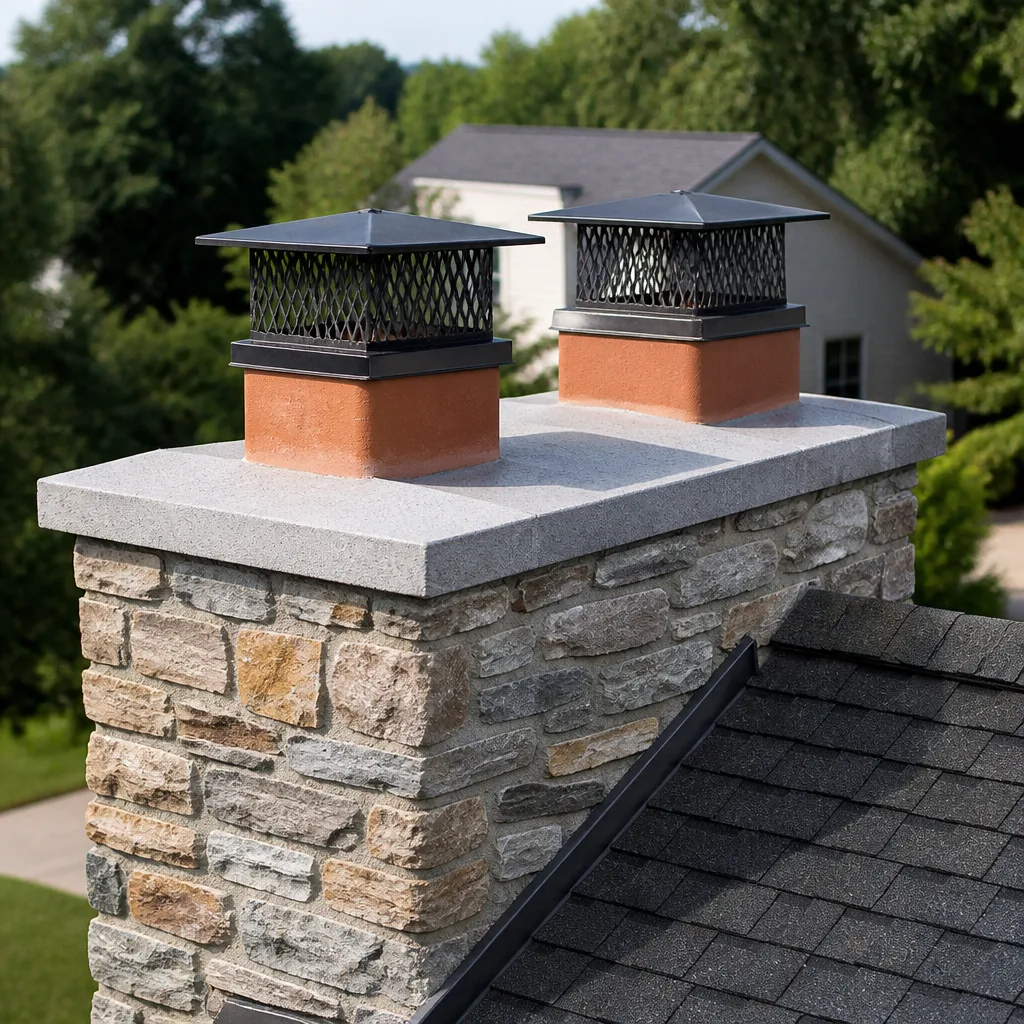 Caps & crowns
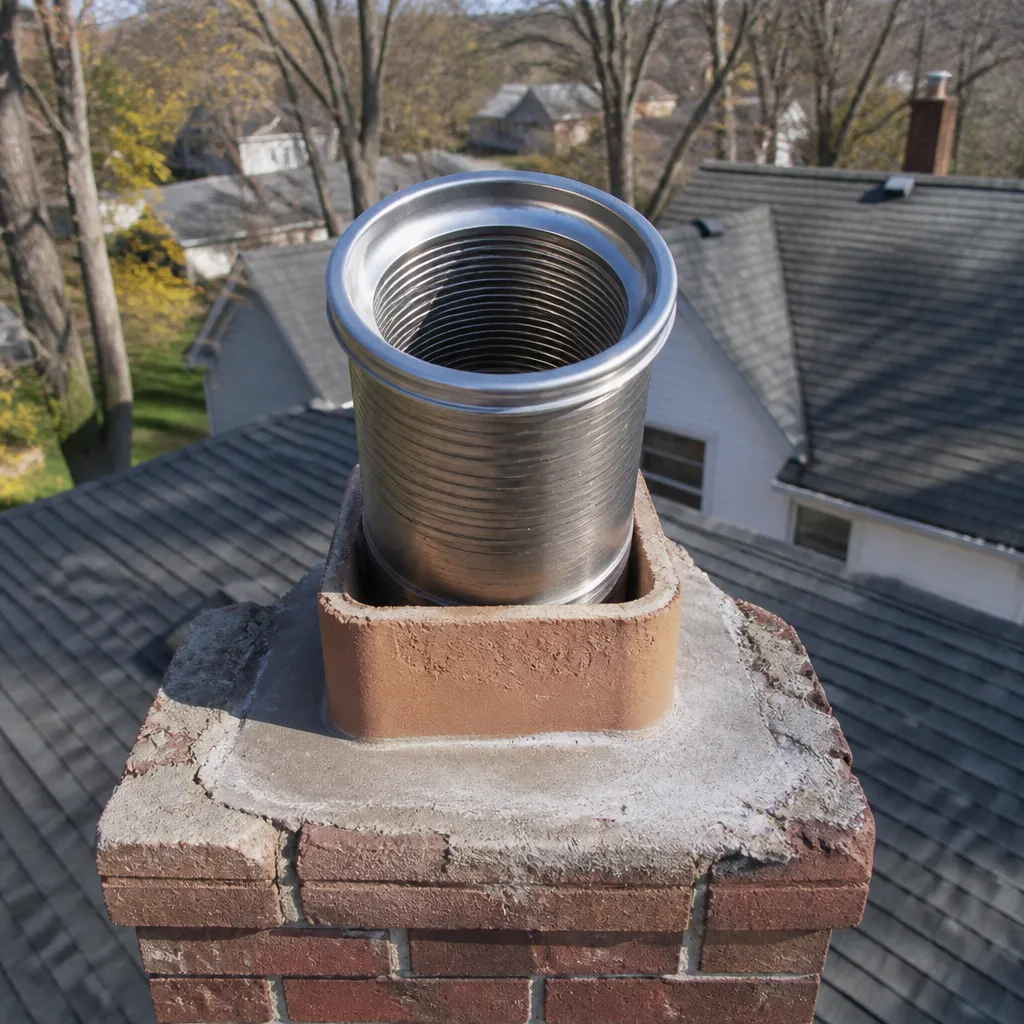 Flue relining
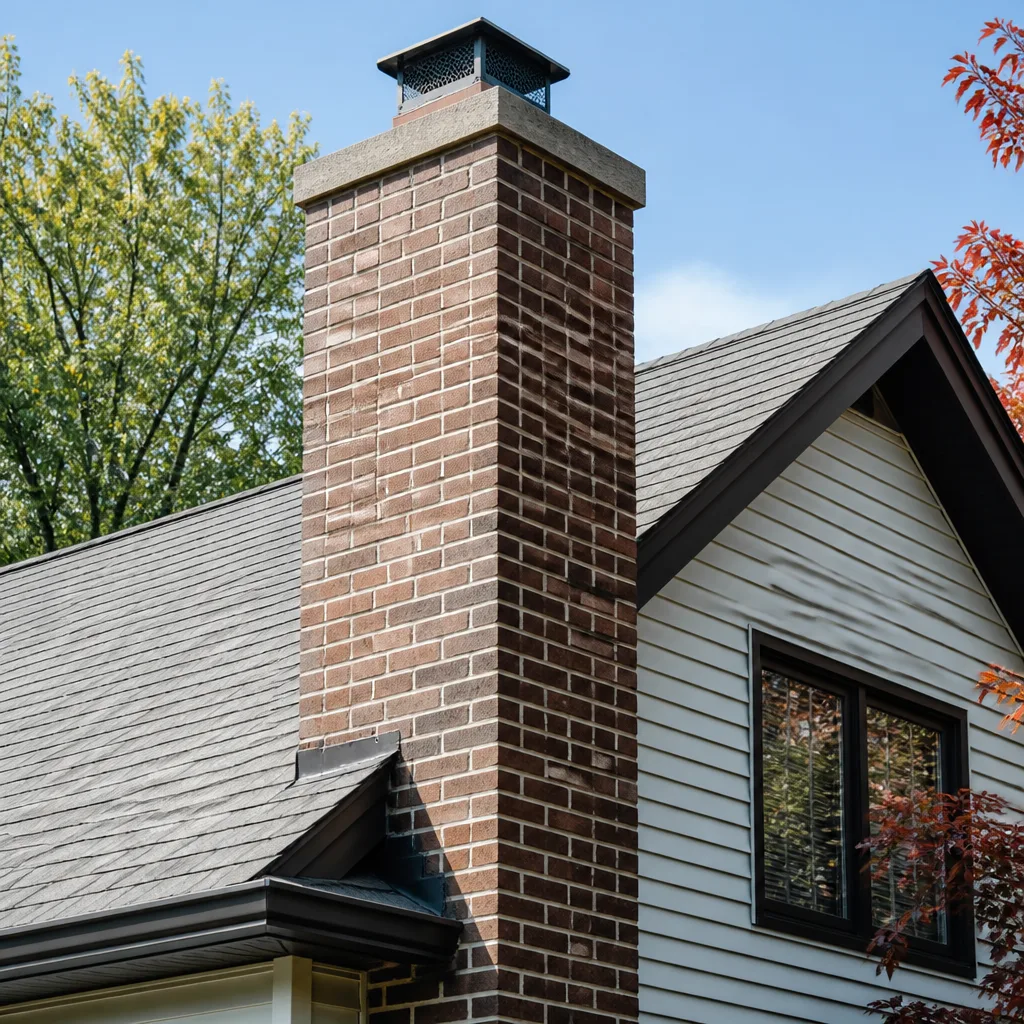 Masonry repair
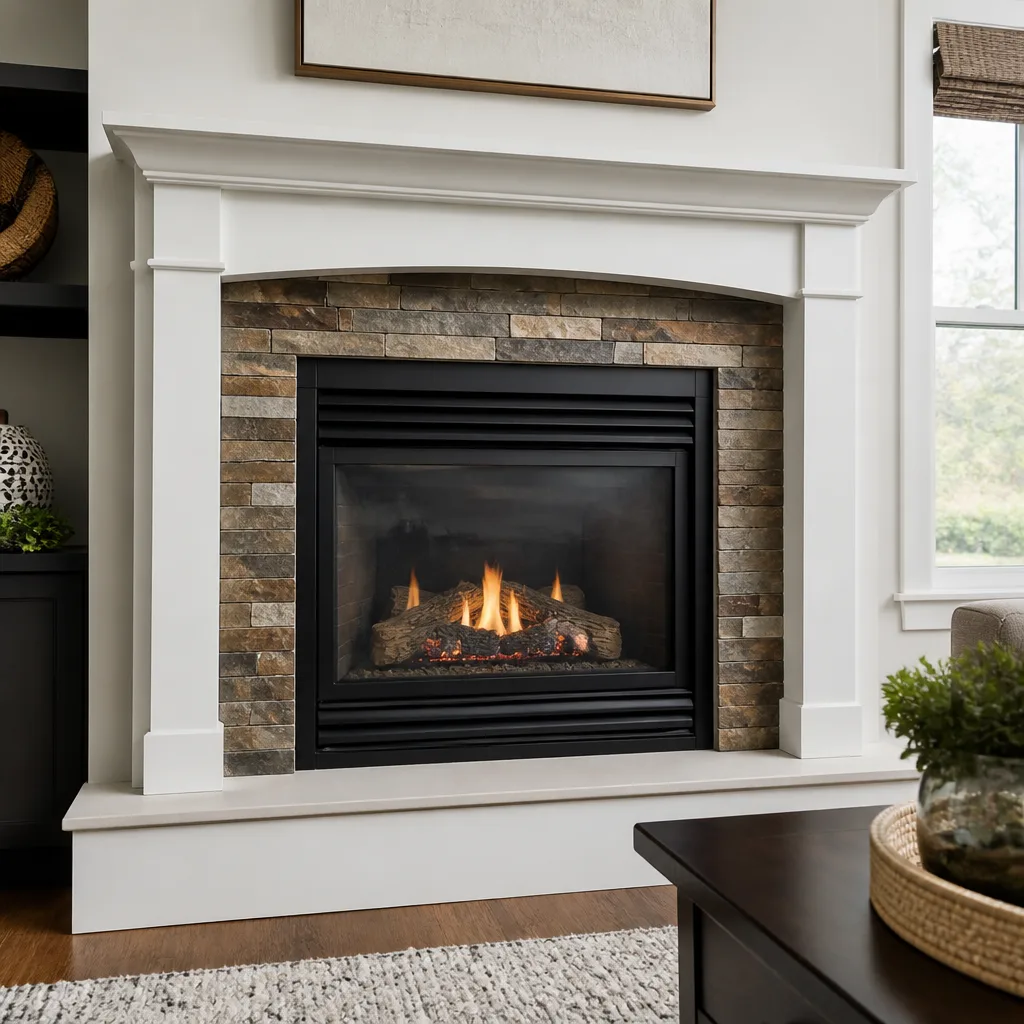 Gas fireplace service
Level 1 sweep and inspection to the NFPA 211 annual standard - flue, crown, cap, and flashing checked and photographed
Chimney sweep logs do not sweep chimneys. They loosen some creosote - which then falls where a brush and vacuum still have to collect it.
Chimney Cleaning Warning Signs: A Spokane Valley Homeowner’s Reference Guide
A strong campfire smell in a living room during a rainstorm isn’t a cleaning problem. It’s usually a draft reversal caused by pressure differences between the house and the flue, and sweeping the chimney won’t fix it. That’s the trap with chimney warning signs: they all look like “time for a sweep,” but they don’t all mean the same thing. Some signals point to simple creosote buildup that a brush handles in an hour. Others point to a cracked liner, a failing crown, or a damaged cap that sweeping can’t touch. This guide maps the signals Spokane Valley homeowners actually notice to their most likely causes, tells you which ones mean stop using the fireplace today, and which ones can wait for your next scheduled appointment.
Quick Answer
Chimney warning signs fall into three groups: signals that mean schedule a sweep (creosote odor, slow-starting fires, light soot at the firebox), signals that mean book an inspection before using the fireplace again (glazed creosote, smoke spilling into the room, a warm damper with no fire burning), and signals that mean stop using it right now and get a professional out (falling debris in the firebox, visible cracks in the flue, a displaced cap, or the smell of gas where there shouldn’t be any). Most Spokane Valley homes fall in the first group. The trick is knowing which group you’re in.
Styles & brands we work with
- Sweep & inspection
- Caps & crowns
- Flue relining
- Masonry repair
- Gas fireplace service
Table of Contents
- Smell-Based Warning Signs and What They Actually Mean
- Interior Signals You Can See From the Firebox
- Exterior Signals You Can Spot From the Ground
- Operational Warning Signs: How the Fireplace Behaves
- The Triage Framework: Stop Now vs. Wait for Your Appointment
- Why Spokane Valley Chimneys Signal Differently
- When to Call a Professional
- Frequently Asked Questions
Smell-Based Warning Signs and What They Actually Mean
Smell is usually the first warning sign a homeowner notices, and it’s the one most often misread. Four distinct odors show up in Spokane Valley homes, and each has a different root cause.
Creosote odor
Creosote smells like a strong campfire or a barbecue that’s been rained on. You’ll usually catch it on warm days, when the chimney is cold and the house is warmer than the flue, or during a rainstorm when pressure shifts. That smell means creosote is built up on the flue walls and needs a sweep. It doesn’t necessarily mean anything is broken. Creosote that’s built up enough to smell from inside the room, though, has often reached the point where it’s worth a look before your next fire.
Animal intrusion
Animal smells are sharper and more pungent – closer to a barn or a soiled pet area than a campfire. Squirrels, birds, and raccoons get into uncapped or poorly capped flues, and once they do, the smell lingers long after the animal leaves because nesting material and droppings sit at the bottom of the flue. If the smell is accompanied by scratching or fluttering sounds, you’ve got an active intrusion. That’s an inspection call, not a sweep call. A proper cap (Gelco and Famco components are what we use for this) is usually the fix.
Moisture smell
A musty, damp, cellar-like odor usually means water is getting into the flue through the crown, the mortar joints, or the cap. Spokane Valley winters produce freeze-thaw cycles that open mortar joints and crack crowns, and once water gets in, it works its way down to the smoke shelf and the damper. That smell doesn’t clear with a sweep. It clears when the water source is fixed, which is a repair, not a cleaning.
Backdraft and draft reversal
Backdraft is the one homeowners most often misdiagnose. The stove or fireplace starts fine, then a gust of wind or a rainstorm pushes cold air down the flue faster than the fire can heat it, and smoke spills into the room. Or you get that campfire smell in a closed-off living room on a mild day when nothing’s burning. Both point to a pressure problem – a tight house, a competing exhaust fan, a chimney that’s too short for the roof line, or a flue that’s undersized for the appliance. Sweeping does nothing for this. It’s a diagnostic visit, and the fix ranges from a proper cap to lengthening the flue to a reline with a DuraFlex system sized for the appliance. Often the answer is discovered during an inspection, so if you haven’t had one in a while, that’s the call to make first.
Interior Signals You Can See From the Firebox
You don’t need a ladder to see the most important warning signs on a chimney. Open the firebox doors, take a flashlight, and look at four things. This takes about two minutes.
Glazed creosote at the firebox opening
Regular creosote is black, flaky, and brushes off. Glazed creosote is shiny, hard, and looks almost like cracked glass or a melted candy coating. It forms when the flue stays cool and the smoke condenses too fast – common in Spokane Valley on a cold snap because the flue warms slowly and the fire is often run low. Glazed creosote is the dangerous form. It’s the fuel load that turns a small chimney fire into a serious one. A stiff brush skips over it, so a sweep that just runs a brush will leave glazed creosote in place. Removing it takes a chemical agent (HeatShield is what we specify for flue resurfacing and restoration, not for removing glazed creosote, but it’s the type of approach a proper sweep brings) or a specialized rotary tool. If you see glazing, get it addressed before you burn again.
Falling debris in the firebox
Flakes of soot are normal. Chunks of masonry, mortar crumbs, or anything that looks like a piece of terracotta are not. When you find debris in the firebox, something upstream is deteriorating – a flue tile joint, a mortar wash at the top of the chimney, or the crown. Each of these has a spillover into safety: masonry chunks in the flue can block it, and a blocked flue pushes carbon monoxide into the room. Fallen debris is an inspection call before your next fire.
Efflorescence on the firebox back wall
Efflorescence is that chalky white powder that looks like salt stains or a light dusting of dried paint. It’s the visible result of water moving through masonry and evaporating on the surface, leaving minerals behind. On the firebox back wall, it usually means water is getting in from above – through the crown, the cap, or the mortar joints – and working its way down. Efflorescence on its own isn’t a stop-everything signal. But paired with a persistent moisture smell or with visible debris in the firebox, it’s a sign the masonry is taking on water and needs addressing before the freeze-thaw cycles make it worse.
Cracks you can see
Hairline cracks in the firebrick are common and often harmless. Cracks wide enough to slip a coin into, displaced firebrick, or missing mortar between firebricks are not harmless. Those are structural and can let fire or hot gas escape the firebox. That’s a stop-burning call, and it needs a professional on site before the next fire.
If any of these show up, the right move is a chimney sweep visit combined with an inspection, not a cleaning alone. The sweep is the starting point. The inspection tells you whether the sweep was the whole answer.
Exterior Signals You Can Spot From the Ground
The best chimney inspection starts with your feet on the lawn and your eyes on the top of the chimney. Four exterior warning signs are visible from the ground in Spokane Valley, and none of them require climbing anything.
- White staining on the chimney’s exterior. Same efflorescence as the interior – minerals pushed to the surface from water moving through the brick or the stucco. If it’s spreading or new, water is getting in and the crown or mortar joints need attention before winter.
- Deteriorated mortar joints. Look at the brickwork. Mortar should look tight and slightly recessed. If it’s crumbling, powdery, or missing in places, the chimney is losing structural integrity and taking on water. A damaged mortar joint in a Spokane Valley winter is a bigger problem in March than it was in September.
- Cap displacement or damage. A chimney cap is your flue’s first defense against rain, snow, squirrels, and birds. If it’s tilted, lifted, missing a screen panel, or sitting crooked after a windstorm, the flue is exposed. Most cap damage comes from wind and from tree limbs. Cap replacement is one of the smaller repairs on the list, but leaving it unreplaced lets everything else on this page happen.
- Crown cracks or a visibly failing crown. The crown is the concrete slab on top that sheds water away from the flue. A cracked or crumbling crown lets water straight down the top of the chimney. That’s the most common entry point for the water damage you’ll find inside.
Something to keep in mind about Spokane Valley specifically: the wind events we get in spring and fall push through the valley from the southwest and periodically dislodge caps that were already loose. If you’ve had a strong blow move through and haven’t looked at the top of your chimney since, put eyes on it – or at minimum, look up from the sidewalk on your way in.
If the top of the chimney raises a question, that’s what a proper inspection is for. Our technicians have up to 13 years of experience with exactly this kind of diagnosis, and the chimney repair that follows is handled by the same team that found the problem.
Operational Warning Signs: How the Fireplace Behaves
Sometimes the chimney doesn’t smell wrong and doesn’t look wrong. It just behaves wrong. Four operational signs are worth paying attention to, and in our experience they’re the ones that get ignored the longest because homeowners write them off as “the fire being difficult.”
Slow-starting fires
If a fire that used to catch quickly now takes forever to get going, the flue has likely lost its draft. A restricted flue, a partial blockage, or a flue that’s cooled down past the point where the fire can overcome the temperature difference all make a fire start slowly. It’s not always a cleaning problem – sometimes it’s an undersized flue for the appliance – but it’s worth checking.
Smoke spilling into the room
Smoke coming into the room when you open the door or when a log shifts is a draft problem. A perfectly drafting chimney pulls smoke up. A chimney with a restriction, a cold flue, a short stack, or a negative pressure issue lets smoke spill. Stop and get it looked at – you’re breathing the smoke, and more importantly, you’re likely also breathing combustion byproducts.
A damper that feels warm to the touch when there’s no fire
This one is the quietest and most dangerous signal. A damper or the wall around the firebox that feels unaccountably warm, hours after the fire’s out or on a day when nothing’s been burned, can mean heat is coming from a chimney fire that reignited in a masonry pocket, or from a deteriorated flue allowing hot gas into the structure. This is a stop-burning and call-a-professional signal. Don’t wait for your next scheduled appointment.
Visible smoke or haze rising from the top of the chimney after the fire is out
Some chimney fires burn slow and quiet. You’ll see a thin, hazy ribbon rising from the top hours after the fire was extinguished. That’s a chimney fire that hasn’t fully gone out. Call the fire department and stop burning until it’s been inspected.
If any of these operational signs show up, the right move is a Bellmont Chimney Sweep call. We’ll come out, diagnose it, and tell you honestly whether it’s a cleaning issue, a draft issue, or a repair issue – no upselling guesswork.
The Triage Framework: Stop Now vs. Wait for Your Appointment
Here’s where the guide becomes useful: not every warning sign means the same thing, and treating every one like an emergency creates stress, while treating none of them seriously creates risk. Use this framework.
Stop using the appliance now (call for a professional before the next fire)
- Visible masonry or terracotta debris in the firebox
- Smoke consistently spilling into the room when the fireplace is running
- A damper or the wall around the firebox that’s warm to the touch with no fire burning
- Visible cracks in the flue tiles inside the firebox
- Visible smoke or haze rising from the top of the chimney after the fire is out
- A strong gas smell anywhere near the venting (gas appliance or gas insert)
- Water actively dripping into the firebox
Book an inspection before the next fire (don’t wait for the seasonal sweep)
- Glazed creosote at the firebox opening
- Cap displacement or damage from a windstorm
- Chalky white staining on the chimney exterior that’s new or spreading
- An animal in the flue or a persistent animal odor
- A fire that consistently starts slowly or won’t draft
- Efflorescence on the firebox back wall
Wait for your next scheduled appointment
- A creosote odor during warm or rainy weather with no other symptoms
- Light flaky soot at the firebox opening
- Hairline cracks in the firebrick (not displaced, not wide)
- Mild deterioration in the exterior mortar joints with no other symptoms
- Occasional back-puffing during a windstorm with no other symptoms (still mention it when you book – it’s usually fixable with a cap)
The distinction matters because it’s the difference between paying for one service call and paying for two. If you call for an inspection when the actual problem is creosote buildup, you don’t lose anything – the sweep usually happens in the same visit. If you call for a sweep when the actual problem is a cracked crown or a displaced cap, the sweep won’t fix the symptom, and you’ll have spent the money without solving the problem. Being honest about which group you’re in saves you money.
Why Spokane Valley Chimneys Signal Differently
Chimney warning signs aren’t uniform across the country, and a homeowner in Spokane Valley should be reading them through the lens of local conditions. Four things shape the way chimneys here behave.
Cold snaps and glazed creosote
Spokane Valley gets real winter cold, and many homeowners run their fireplaces hard through the coldest stretches. That’s often the perfect setup for glazed creosote: a flue that struggles to heat up because it’s surrounded by cold air, a fire that runs low and slow, and a lot of smoke condensing before it can exit. Glazed creosote shows up more often here than in warmer climates because of that pattern, and it’s the form that actually needs the chemical treatment or rotary tool, not a standard brush.
Freeze-thaw cycles and masonry
The mountain-weather swings through the valley – dry freeze, then a warm spell, then another freeze – put masonry under real stress. Mortar joints that would last a long time in a mild climate open up faster here. That’s why exterior signals (white staining, crumbled mortar, cracked crowns) are worth watching more closely in Spokane Valley than the generic advice would suggest. The typical job involves a crown repair in fall and it’s often cheaper than waiting for the same repair in spring, because the freeze-thaw damage hasn’t compounded.
Wind events
Spokane Valley gets wind events that push down the valley from the southwest. Those events are tough on chimney caps and on any masonry that’s already compromised. After a strong blow, a look at the top of the chimney is worth the two minutes.
Housing stock and flue types
Spokane Valley has a broad mix of housing – older homes with traditional masonry fireplaces, mid-century homes with more complicated flue configurations, and newer homes with gas inserts and factory-built fireplaces. The warning signs mean different things for each. Gas inserts, in particular, produce different failure signatures than wood-burning fireplaces, and their venting is checked differently. Olympia Chimney and DuraFlex systems cover the range here, which is why we carry both.
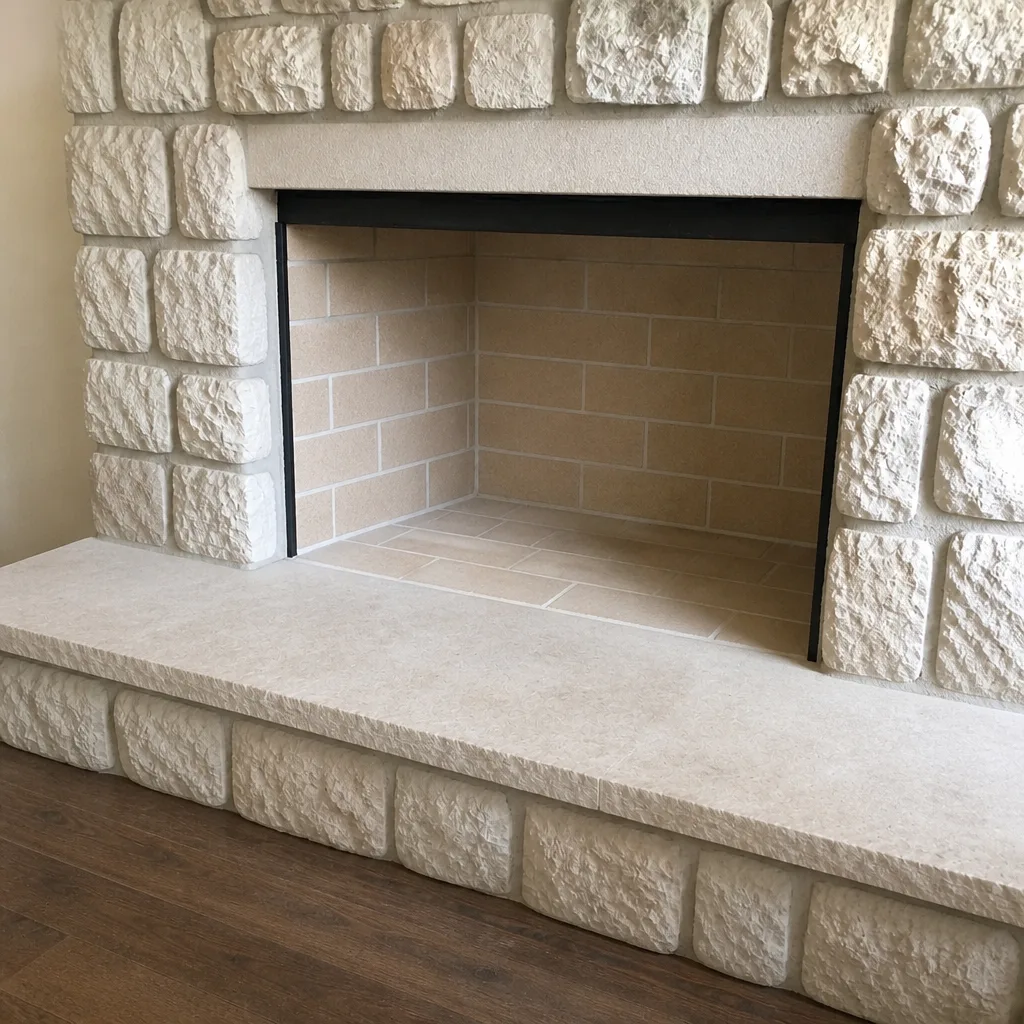
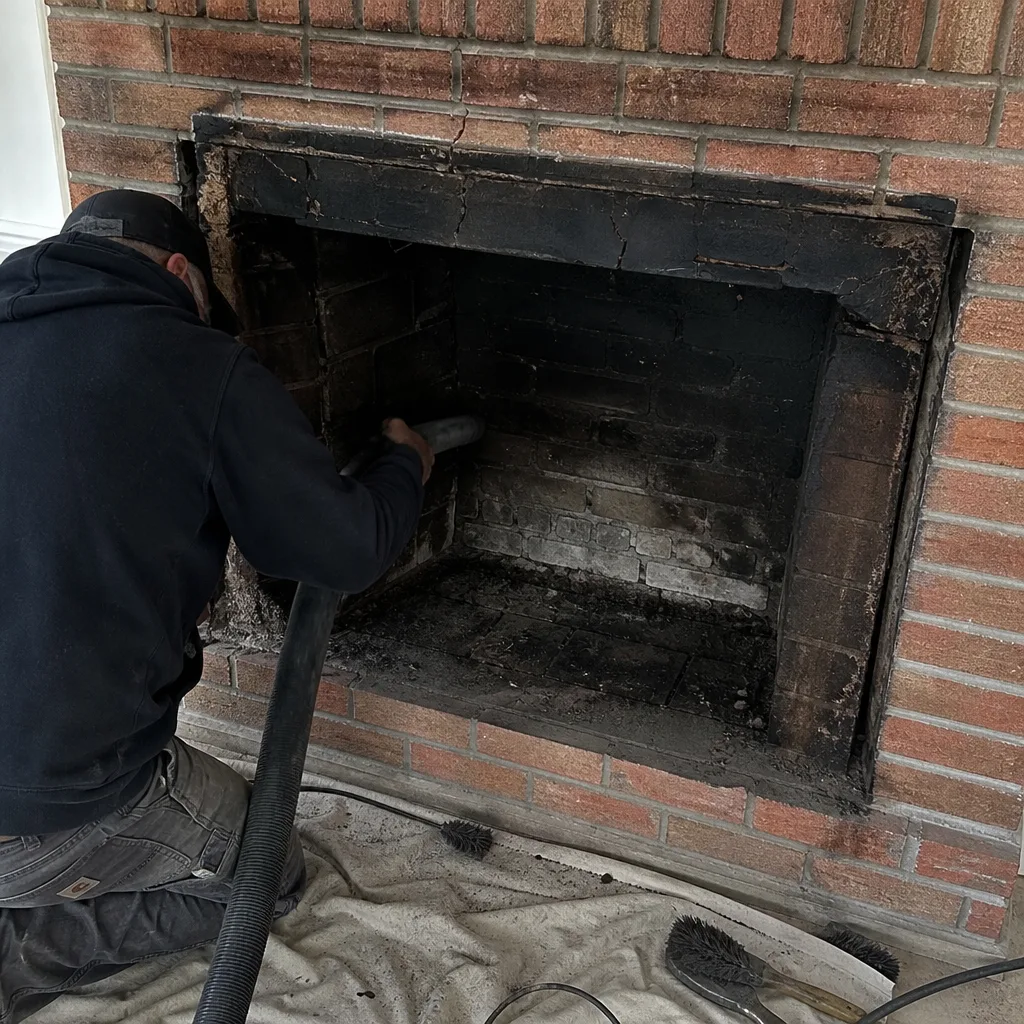
See the difference
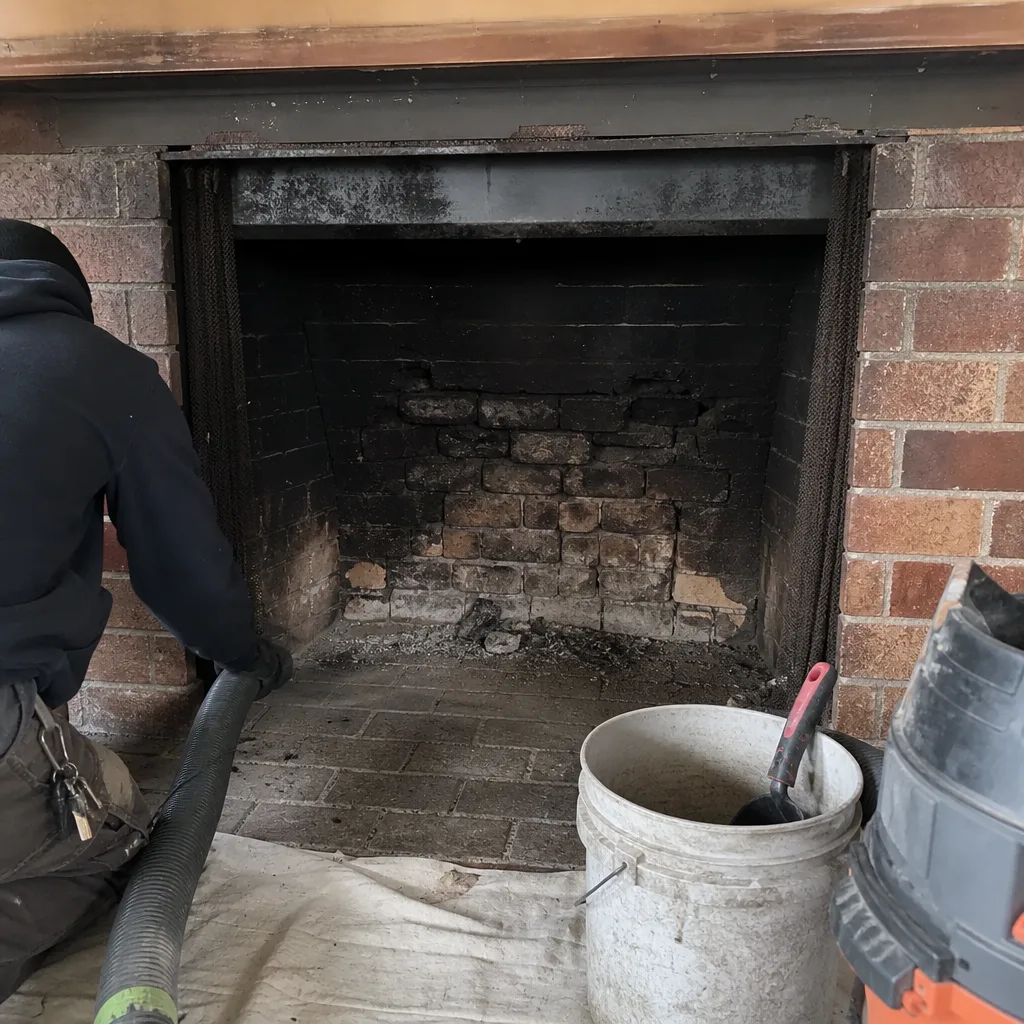 Before
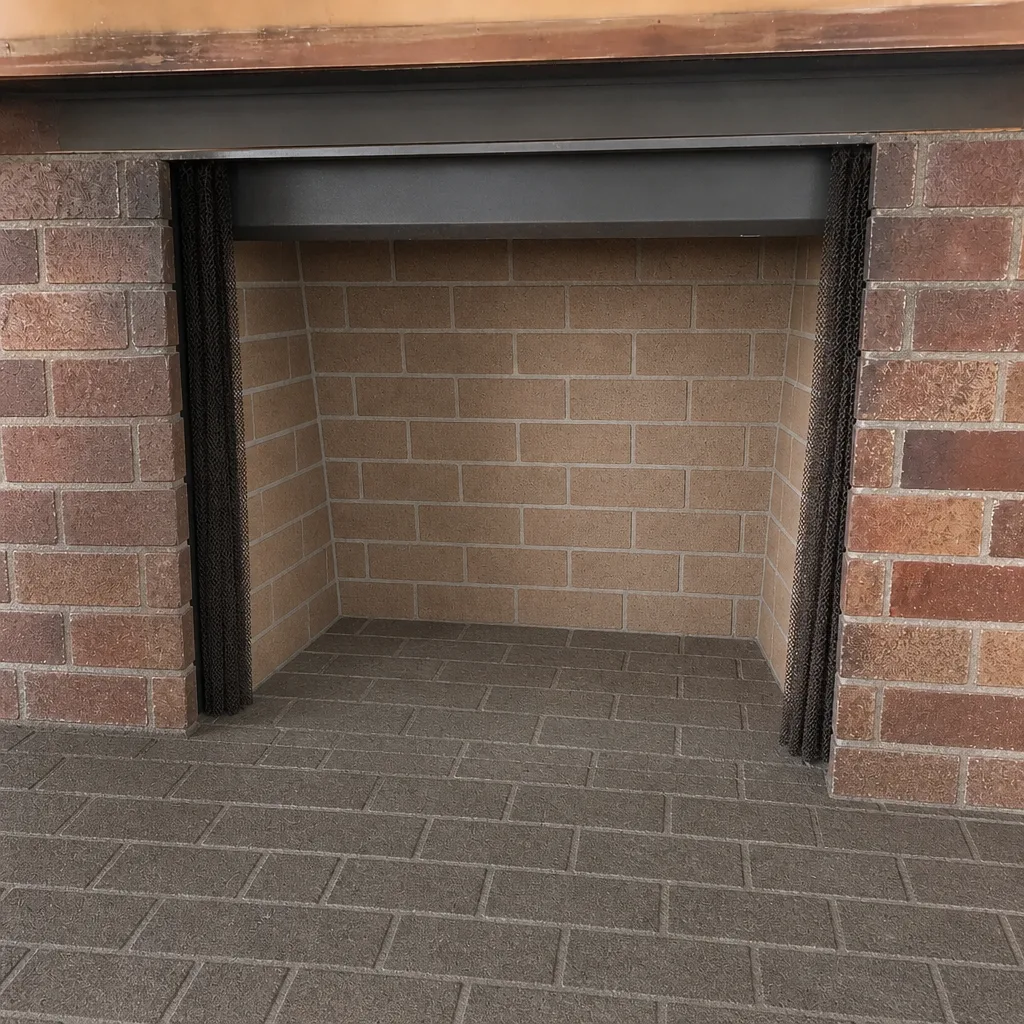 After
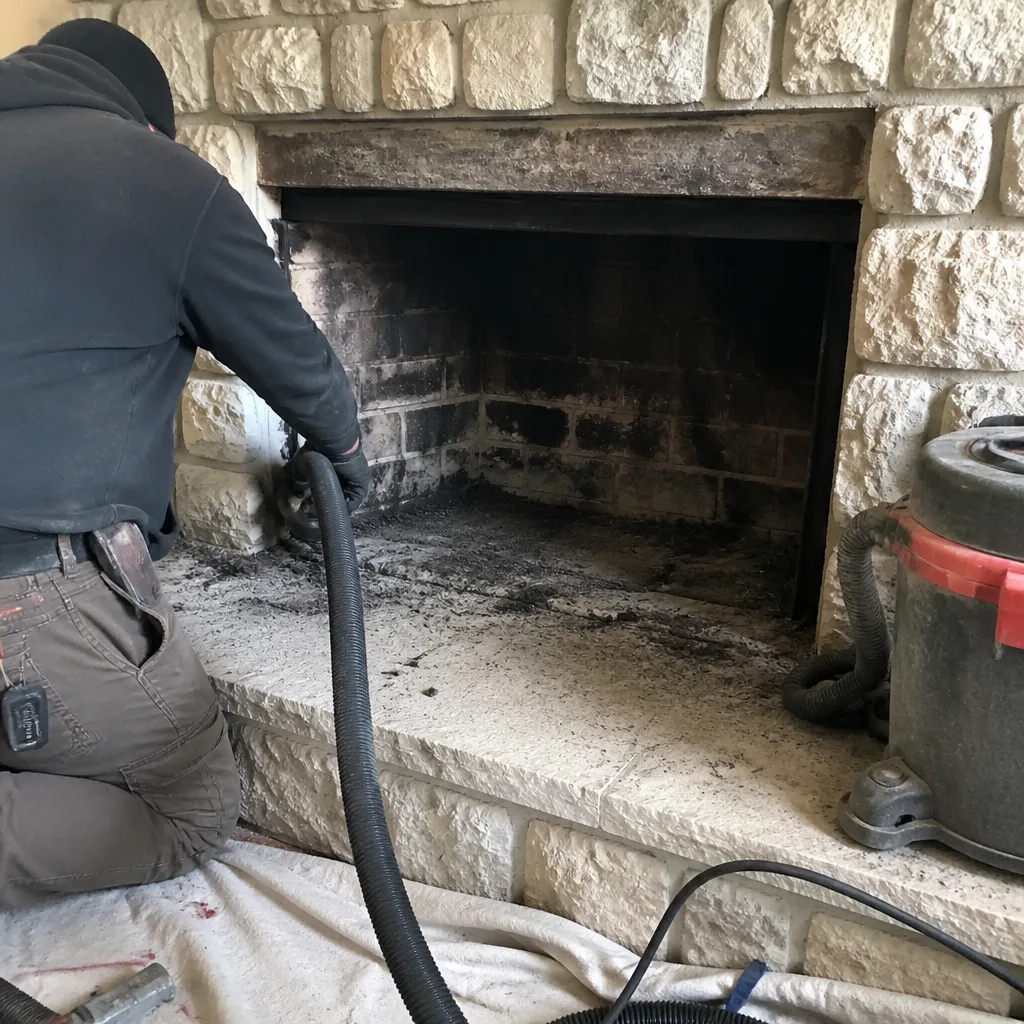 Before
 After
 Before
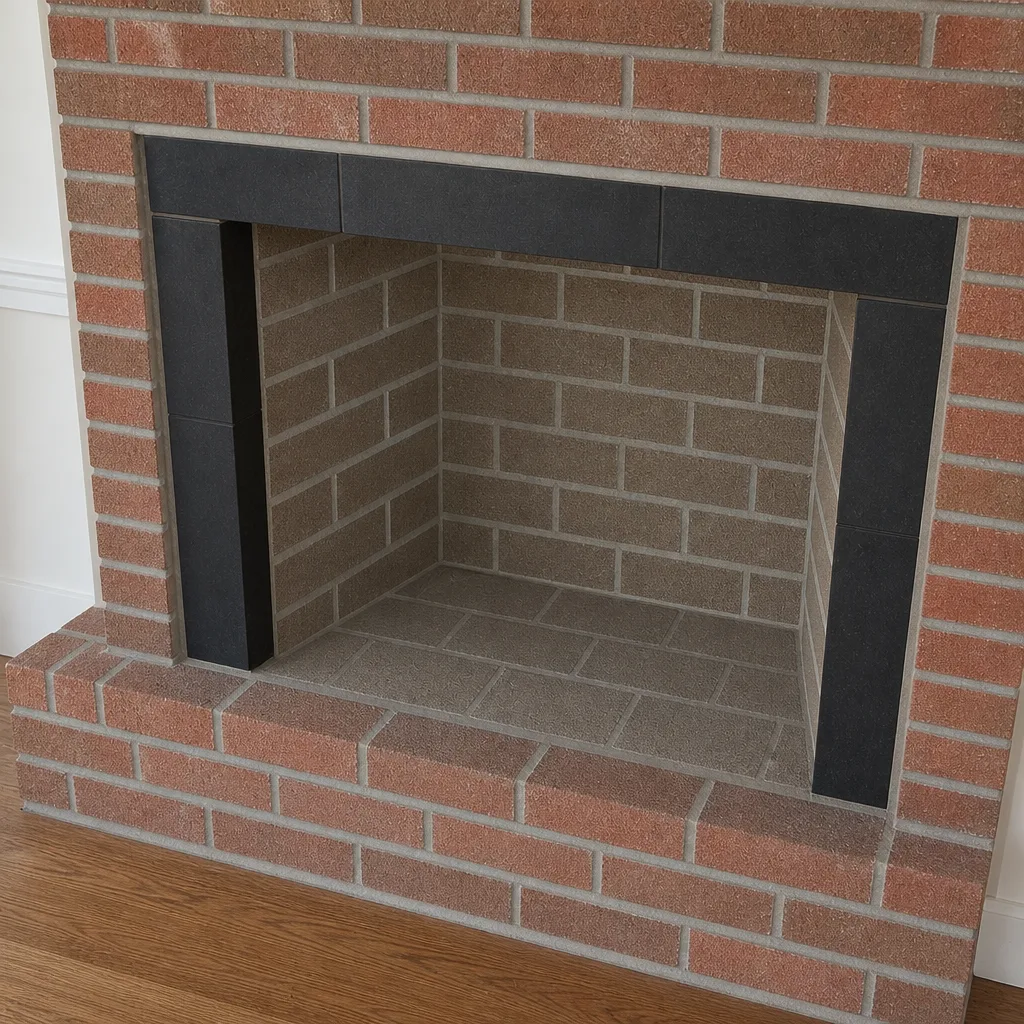 After
Common Mistakes to Avoid
- Treating every signal as a cleaning problem. A backdraft isn’t creosote, a moister smell isn’t creosote, and neither one gets better with a sweep. Reading the symptom right is the whole game.
- Waiting for a chimney fire to notice. Slow, quiet chimney fires burn and go out without drama. The signs – a warm damper with no fire, a thin haze from the chimney hours after the fire – are easy to miss if you’re not looking. If you see them, treat them as a stop signal, not an “I’ll get to it.”
- Running a fire through a real cold snap and figuring the draft will “sort itself out.” The draft gets worse in extreme cold, the fire runs cooler, and the creosote buildup accelerates. If you’re going to burn hard through a cold snap, that’s the season to have the chimney inspected before it starts, not after.
- Climbing up to check the crown yourself in winter. Roof work is dangerous, and a wet or icy roof is a fall waiting to happen. There’s no chimney problem on top of a Spokane Valley roof that’s worth a fall injury. Call a professional for the exterior view.
- Accepting a “sweep only” answer when the symptom points to a repair. If a sweep comes out for a backdraft or a moisture smell and offers a brush and nothing else, that’s the wrong service for the symptom. The chimney needs a diagnosis, and the diagnosis needs a company that can do the repair – not one that only sweeps.
- Leaving a damaged cap on through winter. Cap damage is the setup for everything else in this guide. A $150-ish cap replacement in fall is a much smaller problem than the liner replacement that follows a winter of water intrusion.
- Burning a fire without a working carbon monoxide alarm. This isn’t a chimney mistake – it’s a general safety mistake. Carbon monoxide from a blocked flue or a damaged liner is invisible. Test the alarm before the burning season starts, not after.
When to Call a Professional
Call a professional for any signal in the “stop now” group, for any glazed creosote you can see, and for anything on the exterior of the chimney you can’t fully explain from the ground. Call us if you’ve had a chimney fire, suspected or confirmed, or if a strong windstorm moved through and you haven’t inspected the chimney since. Call us before the burning season starts if the chimney hasn’t been inspected in the past year, and call this week if you’re seeing a warning sign that belongs in the “book an inspection” group and you want to understand it before you use the fireplace again. A sweep, an inspection, and a repair are three different services, and the right call is the one that gets you all three from a single company that closed the loop. Bellmont Chimney Sweep offers free estimates in Spokane Valley – call (844) 734-4138. We answer 24/7. Fast dispatch from 7am to 7pm, Sunday through Friday.
Frequently Asked Questions
The warm damper with no fire burning. Most homeowners don’t think to touch the damper when nothing’s burning, so a slow chimney fire or a heat source in the masonry goes unnoticed. If you ever feel warmth there without a fire, stop using the fireplace and get it inspected. Call (844) 734-4138 for an exact quote – estimates are free.
No. A creosote smell in the room is usually buildup, and a sweep is the right answer. But a campfire smell during a rainstorm, or on a warm day with no fire burning, is often draft reversal, and sweeping won’t fix it. If in doubt, an inspection sorts it out. Call (844) 734-4138 for an exact quote – estimates are free.
Glazed creosote looks shiny and hard, like cracked glass or a melted candy coating, and it doesn’t flake off when you touch it. Regular creosote is black, dull, and flaky. Glazed creosote needs a chemical treatment or a rotary tool, not a standard brush. If you see the glazed form, treat it as a stop-burning signal until it’s addressed. Call (844) 734-4138 for an exact quote – estimates are free.
Yes, and the usual damage is a displaced cap or a loosened crown. Spokane Valley wind events tend to come through the valley on a southwest track, and any cap that was already loose or any crown that was already cracked is vulnerable. After a strong blow, look at the top of the chimney from the ground and call if something looks crooked or missing. Call (844) 734-4138 for an exact quote – estimates are free.
Yes. Any masonry or terracotta debris in the firebox means something upstream is deteriorating, and the flue could be partially blocked. Stop burning and book an inspection. The sweep and the repair should come from the same company, so nobody points at the other contractor when the question of “what actually caused this” comes up. Call (844) 734-4138 for an exact quote – estimates are free.
Yes, mostly through freeze-thaw action on the exterior masonry. Mortar joints and crowns that hold up in a mild climate open up faster in Spokane Valley, which is why exterior signals like white staining and crumbling mortar are worth watching more closely here. It’s also why fall is a better time than spring to address crown and mortar issues – the damage compounding over winter is the expensive part. Call (844) 734-4138 for an exact quote – estimates are free.
The Bottom Line
Chimney warning signs are useful only if you know which one you’re looking at. A creosote smell on a warm day is a sweep. A campfire smell during a rainstorm is a draft problem. A warm damper with no fire is a stop signal. Glazed creosote, debris in the firebox, efflorescence on the back wall, cap displacement, and crumbling exterior mortar are all “get it inspected before you burn again.” The three services – sweeping, inspection, and repair – are what turn a warning sign into a resolved problem, and they belong to one company, not three. Our technicians have up to 13 years of experience, and the same team that inspects the issue handles the repair, with professional-grade products from DuraFlex, HeatShield, Gelco, Olympia Chimney, Famco, and Copperfield. If you’re seeing something on this list and aren’t sure which group it belongs in, call us.
Bellmont Chimney Sweep offers free estimates in Spokane Valley. Call (844) 734-4138. We answer 24/7. Fast dispatch from 7am to 7pm, Sunday through Friday.
Written by the team at Bellmont Chimney Sweep.