
Last updated November 15, 2026
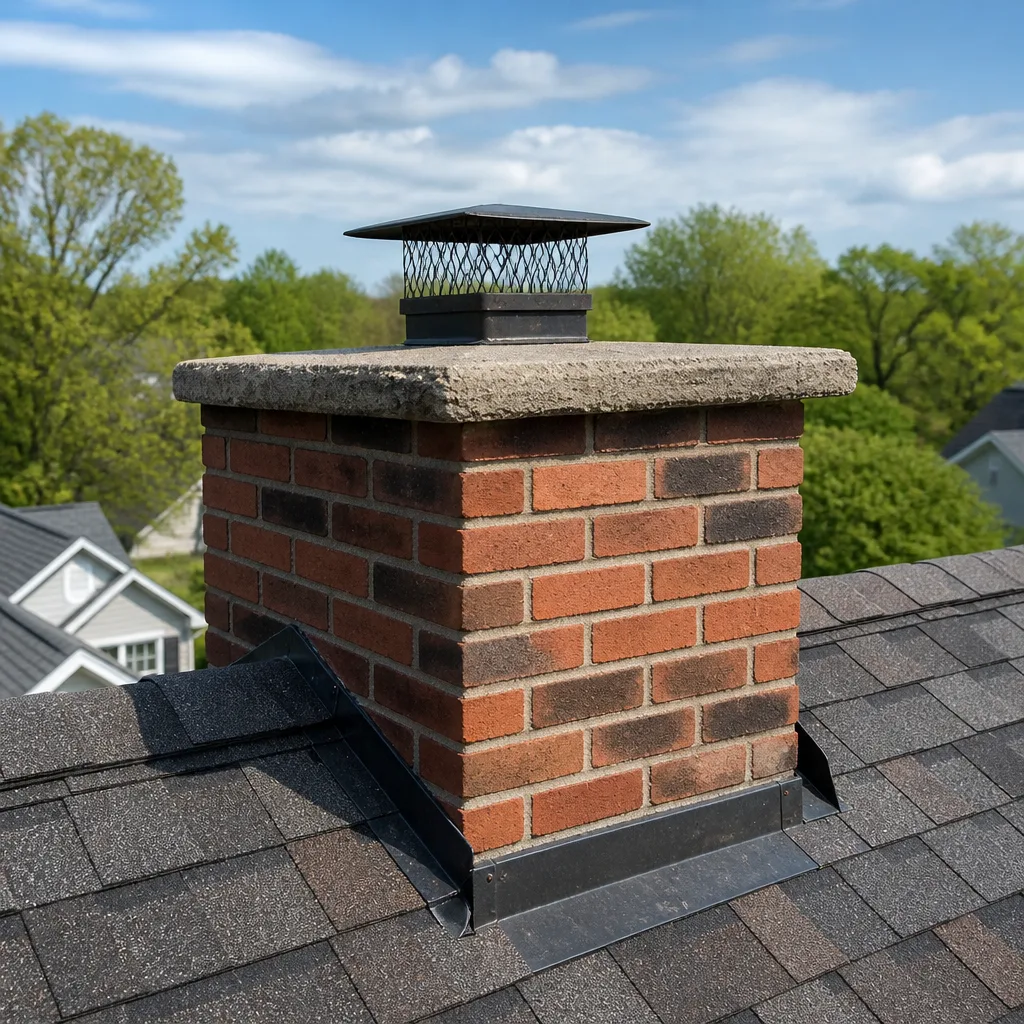 Sweep & inspection
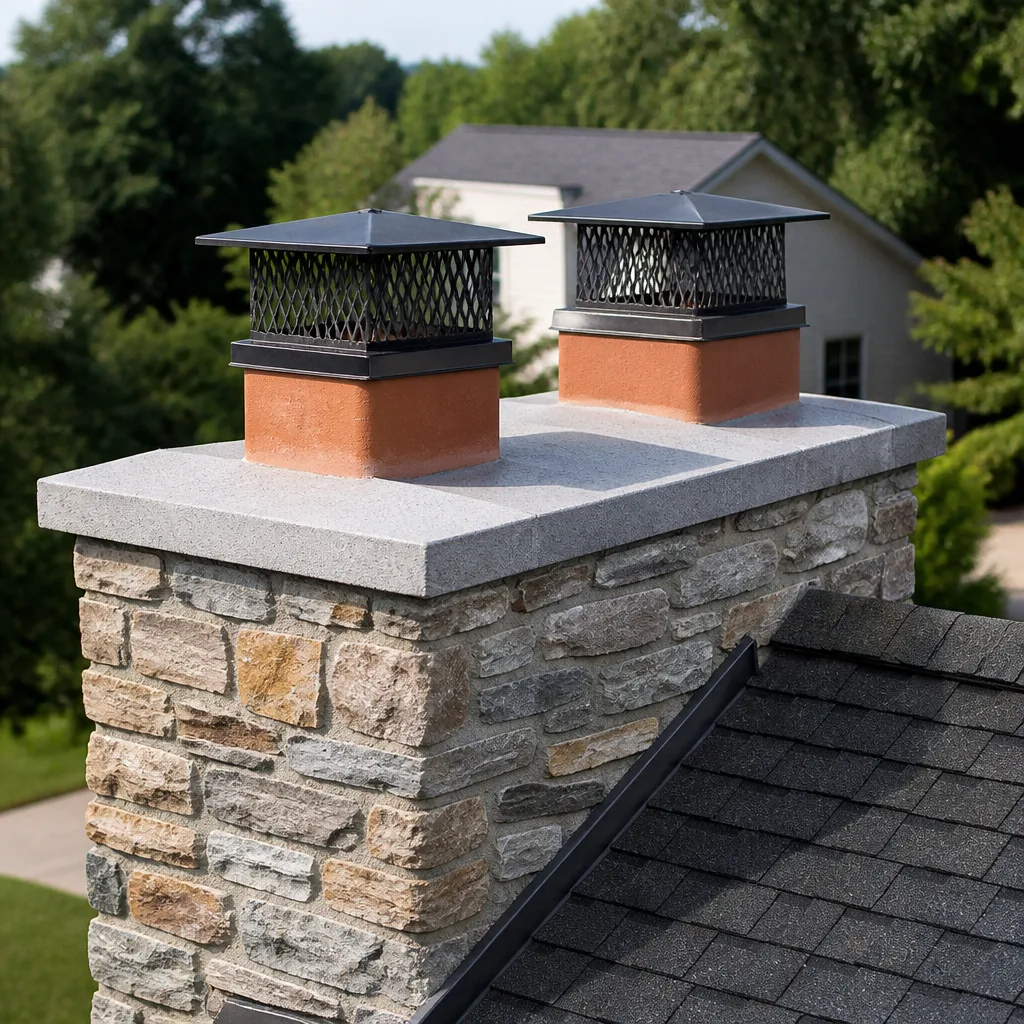 Caps & crowns
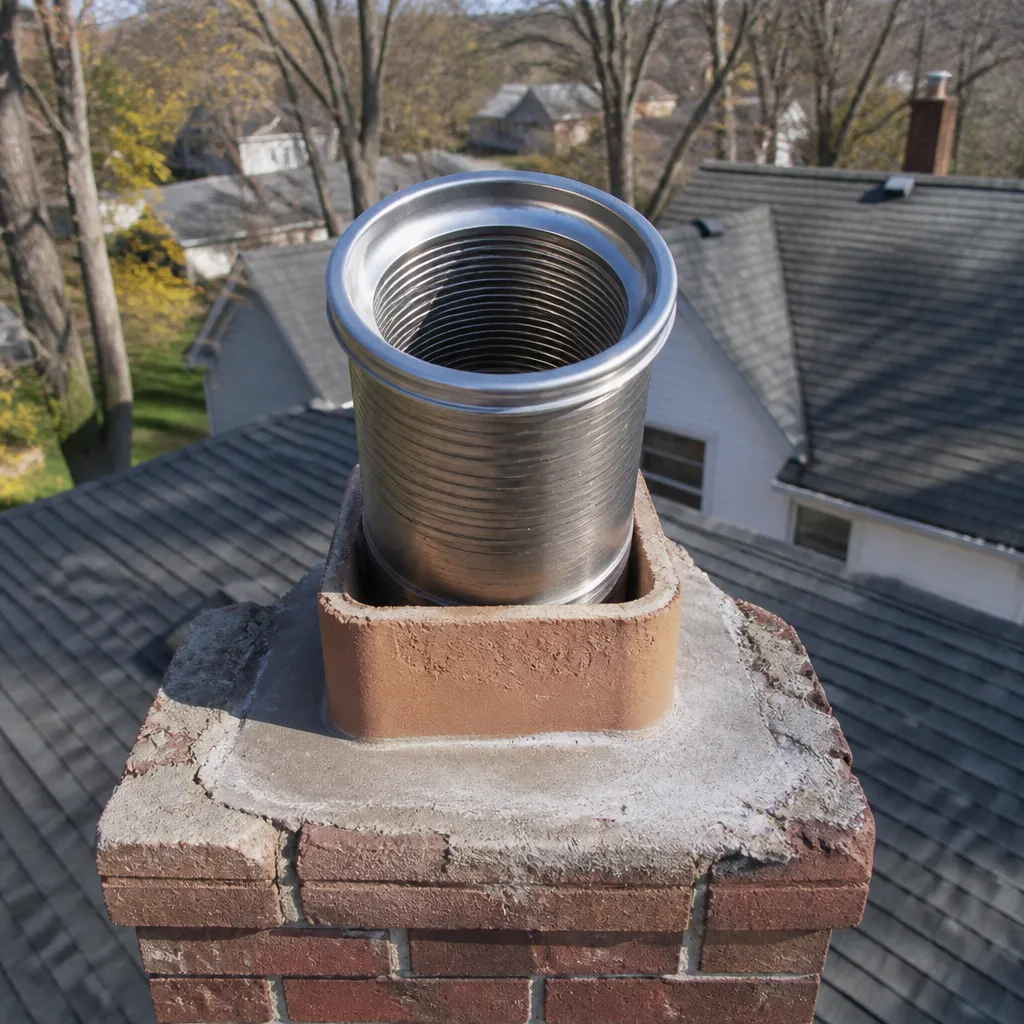 Flue relining
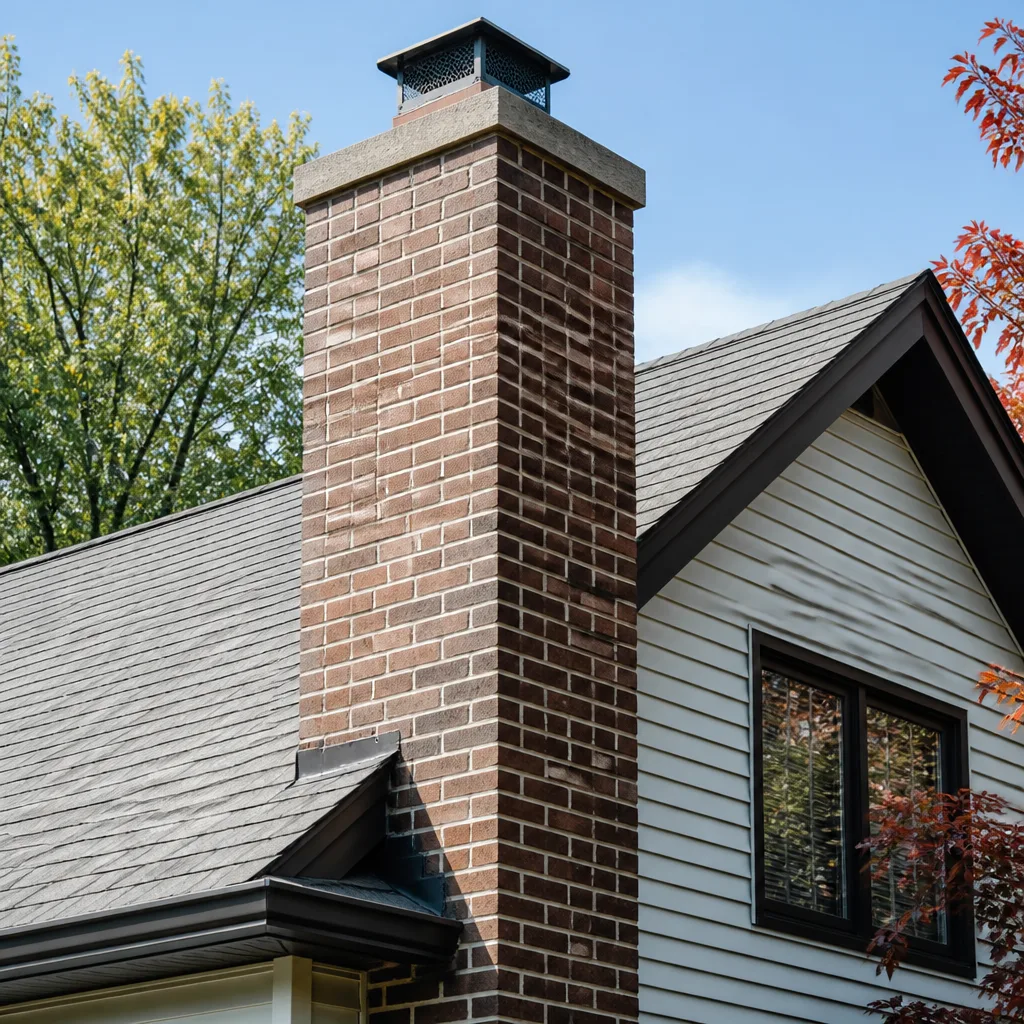 Masonry repair
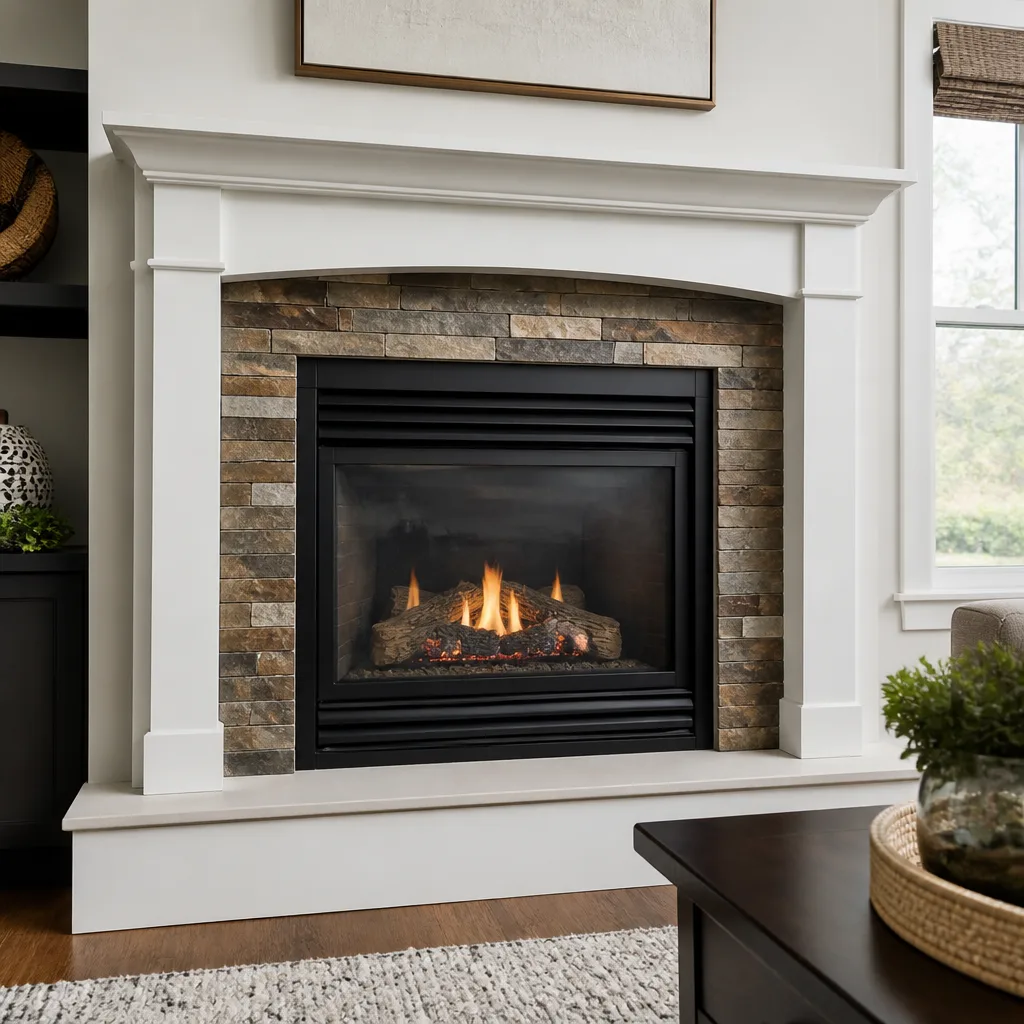 Gas fireplace service
Level 1 sweep and inspection to the NFPA 211 annual standard - flue, crown, cap, and flashing checked and photographed
Chimney sweep logs do not sweep chimneys. They loosen some creosote - which then falls where a brush and vacuum still have to collect it.
The Complete Guide to Chimney Cleaning in Spokane Valley
Most chimney fires don’t start because a homeowner skipped cleaning. They start because cleaning happened without an inspection that caught the crack which mattered. That distinction lands differently in Spokane Valley than it does in a lot of places. Between wood stoves running hard through February cold snaps, gas inserts that look clean but vent differently, and a housing stock that includes a lot of older masonry, the chimney here isn’t a simple appliance. It’s a system, and cleaning is only one step in it. This guide walks the whole sequence, from fuel type to final inspection report, so you know what a thorough sweep actually does and when cleaning alone isn’t enough.
Quick Answer
Chimney cleaning in Spokane Valley is a diagnostic process, not a standalone errand. A proper service sweeps the flue to remove creosote and soot, then inspects the chimney to CSIA standards, and then, only if the inspection shows a problem, recommends repair. Skipping the inspection step is where most of the risk comes from, especially in Spokane Valley’s cold, high-altitude winters where creosote builds faster than many homeowners expect.
Styles & brands we work with
- Sweep & inspection
- Caps & crowns
- Flue relining
- Masonry repair
- Gas fireplace service
Table of Contents
- Why Spokane Valley Chimneys Work Harder
- What a Real Chimney Sweep Involves
- The Three Levels of Chimney Inspection
- Creosote: The Real Story Behind the Cleaning
- A CSIA-Standard Sweep vs. a Brush and Vacuum Service
- The Tools That Make the Job Safe and Clean
- When Cleaning Alone Isn’t Enough
- How We Sequence Sweep, Inspect, and Repair
Why Spokane Valley Chimneys Work Harder
Spokane Valley sits in a cold-winter, high-altitude climate that puts more demand on a chimney than the mild coastal cities many national chimney guides are written for. Winter cold snaps here mean fires run longer and hotter, then sit and smolder during shoulder-season evenings. That on-off pattern is exactly what deposits creosote in layers.
The other factor is the wood itself. Inland Northwest firewood leans heavily on pine and fir, both of which burn well but carry more resin and produce more creosote than the hardwood-dominated fuel a lot of generic advice assumes. Homeowners who split their own wood or buy unseasoned cords end up with wetter fuel that smolders, which deposits even more.
Then there’s the housing. Parts of Spokane Valley have masonry chimneys built decades ago with clay tile liners. Those tiles crack with repeated thermal cycling, and once a crack opens, the whole flue system changes character. A chimney that looks fine from the hearth can have a compromised liner behind the wall. That’s why we treat Spokane Valley inspections as diagnostic, not decorative.
The practical takeaway: if you burn wood here, expect to sweep more often than the “once a year” advice you see in national articles. Annual inspection is still the baseline, but the cleaning itself may need to happen twice in a heavy season.
What a Real Chimney Sweep Involves
A professional sweep is a sequence of steps, not a quick brush-down. Here’s what a proper chimney sweep in Spokane Valley looks like from the homeowner’s side.
- Pre-job walkthrough. We check the firebox, damper, hearth, and appliance connections before anything gets dirty.
- Floor and hearth protection. Drop cloths and a sealed work area keep soot out of the room.
- Negative-pressure setup. A HEPA vacuum runs alongside the cleaning tools so dust stays contained rather than drifting into the room.
- Flue cleaning. Rotary and brush tools work the full flue length, removing creosote, soot, and any glaze.
- Firebox and smoke chamber cleaning. The area below and above the damper gets cleaned too; a lot of deposits hide in the smoke shelf.
- Appliance inspection (if present). Gas inserts and furnace flues get checked for correct venting and combustion byproducts.
- Inspection report. The technician documents what was found and what, if anything, needs work.
The inspection step is where the value is. Sweeping removes what’s blocking the flue today. Inspection tells you what’s going to cause a problem in a year. One without the other is a partial job.
The Three Levels of Chimney Inspection
Not every chimney needs the same inspection. The industry-standard three levels are tied to what’s happened at the chimney and what’s being planned, not to how much the homeowner is willing to spend.
Level 1 Inspection
This is the routine check that pairs with a yearly sweep. It covers the readily accessible portions of the chimney: the firebox, damper, smoke chamber, visible portions of the flue, and the exterior at ground level. It’s appropriate when the chimney has no known problems and no changes to the system have occurred.
Level 2 Inspection
A Level 2 goes further. It’s required when there’s been a change of fuel type, a change in the appliance, a chimney fire (even a small one you didn’t call in), a structural event like an earthquake or a nearby lightning strike, or when the property is being sold. This level uses video scanning equipment to see the interior of the flue where eyes can’t reach, and it includes a look at accessible attic and crawlspace portions of the chimney. For Spokane Valley homes where the liner is decades old and possibly cracked, this is often the level that catches the problem.
Level 3 Inspection
A Level 3 is diagnostic and invasive. It’s triggered when a Level 1 or Level 2 finds a serious concern that can’t be addressed any other way, and it may involve removing parts of the chimney or surrounding structure. This is not something anyone recommends casually. It’s the last step, not the first.
As a rule: routine annual work gets a Level 1, changes and events get a Level 2, and unresolved serious findings get a Level 3. If a technician recommends a Level 2 on your first call, ask why. There should be a specific trigger.
Creosote: The Real Story Behind the Cleaning
Creosote is what burning wood leaves behind in the flue. It’s not one substance. It forms in three grades, and each one behaves differently.
- Stage 1: soot and light flaky deposits. Soft and brushable. This is what most wood-burning homes deal with when they sweep regularly.
- Stage 2: hardened, crusty flake. Attached more firmly, often in layers from repeated burns. Brushing removes it with effort; rotary tools do the heavy lifting.
- Stage 3: glazed, tar-like creosote. This is the dangerous one. It coats the flue, clings tightly, and burns extremely hot if it ignites. Brushing alone often won’t remove it, and chemical treatment or specialized equipment may be needed.
The reason Spokane Valley chimneys stage up faster than national averages isn’t dramatic. It’s accumulation of small things: cold snaps that drive more burn hours, pine and fir that carry more resin than hardwood, and shoulder-season smoldering. Add a damp cord of wood and you get accelerated staging.
That’s why we don’t just brush and leave. We look at what came out and what stayed stuck to the flue wall, and we tell you which grade you’re dealing with. A Stage 3 flue that gets swept but never inspected is a fire that hasn’t happened yet.
A CSIA-Standard Sweep vs. a Brush and Vacuum Service
The word “sweep” covers a wide range of jobs. A brush-and-vacuum service removes what’s easy to reach. A CSIA-standard sweep does more.
- A CSIA-standard sweep cleans the full flue, firebox, damper, and smoke chamber. A brush service often skips the smoke chamber and the shelf above the damper.
- A CSIA-standard sweep includes an inspection. A brush service is usually cleaning only.
- A CSIA-standard sweep uses HEPA containment. A brush service may use a shop vac that recirculates fine soot into the room.
- A CSIA-standard sweep documents findings in writing. A brush service usually doesn’t.
- A CSIA-standard sweep can recommend repair pathways using named industry materials. A brush service refers you elsewhere.
Both can look identical from the driveway. The difference is the inspection and the report. If a technician leaves without showing you what they found, you don’t know whether your chimney is safe, only that it’s cleaner than it was.
The Tools That Make the Job Safe and Clean
The right tools are the difference between a chimney that’s actually clean and a room that needs a second cleaning after the appointment is over. Here’s what a professional setup includes and why each piece matters.
- Rotary cleaning systems. Rods and spinning heads that work the flue wall rather than skipping over it. They handle Stage 2 creosote that brushes just polish.
- Industrial HEPA vacuums. A HEPA vacuum creates negative pressure so fine soot particles are pulled into the machine instead of settling into your carpet. Shop vacs don’t do this.
- Sealed drop cloths and containment. Prevents the grit from coating your furniture.
- Video inspection cameras. A Level 2 inspection depends on this. You cannot properly assess a flue interior without seeing it.
- Chimney caps and chase covers. Smaller items, but a missing or damaged cap lets rain and animals into the flue.
The materials that go into repair are just as important as the cleaning tools. When we reline or resurface a flue, we use professional-grade products from DuraFlex and HeatShield, both of which are specified by certified chimney specialists for liner and relining work. For caps, chase covers, and venting components, we work with Gelco and Copperfield. These aren’t hardware-store generics, and they matter because a repair that fails after two seasons only costs you twice.
When Cleaning Alone Isn’t Enough
Sometimes a sweep finds the chimney isn’t just dirty. It’s compromised. Here are the signs that chimney repair is on the table.
- Cracked or spalling clay tiles. Common in Spokane Valley’s older masonry chimneys after repeated freeze-thaw cycles.
- Missing or displaced flue tiles. Leaves gaps that allow creosote and gases to pass outside the intended flue.
- Water intrusion or efflorescence. White staining on the exterior masonry indicates moisture has made its way in.
- Displaced or damaged cap. Missing caps let rain, snow, and small animals into the flue.
- Smoke escaping into the room. Could be a draft problem, a flue size mismatch, or a partial blockage.
- Damaged crown or chase cover. The top of the chimney is the first line of defense against water.
When these appear, the repair pathway usually involves relining, resurfacing, or rebuilding components. That’s where professional-grade materials make a difference. A HeatShield resurfacing application restores a damaged flue interior on certain chimneys without a full reline. A DuraFlex liner system replaces a compromised flue with a new stainless liner rated for the appliance. We can talk you through both when the inspection points that way. No inspection finding, no recommendation. It’s that simple.
How We Sequence Sweep, Inspect, and Repair
At Bellmont Chimney Sweep, the three services are one sequence. Sweep first, inspect what the sweep reveals, and repair only when the inspection supports it. The order isn’t negotiable, because skipping steps creates work that either isn’t needed or doesn’t address the real problem.
Here’s how it flows in practice.
- Sweep. Removes creosote, soot, and blockage. Establishes a clean baseline.
- Inspect. A Level 1 as a baseline (Level 2 if there’s a trigger). Documents the condition of flue, liner, firebox, and exterior.
- Report. Findings are reviewed with the homeowner, including what’s urgent, what can wait, and what’s optional.
- Repair (if needed). Relining, resurfacing, cap or crown replacement, or other repair work using professional-grade materials.
- Re-inspection. Verify the repair does what it was supposed to do.
One company handling all of it means no handoff between a sweep-only technician and a separate repair contractor. The person who found the issue is part of the same team that fixes it, which removes the finger-pointing that can happen when separate vendors share a job. If you’d like to see how this works in person, you can learn more about Bellmont Chimney Sweep and what a visit includes.
Common Mistakes to Avoid
- Treating the sweep as a cleaning and nothing else. Cleaning without inspection misses the crack that matters. The inspection is the point.
- Burning unseasoned pine or fir. Spokane Valley’s firewood supply rewards patience. Wet wood smolders and deposits faster than dry.
- Assuming a gas insert doesn’t need service. Gas venting has its own failure modes and its own inspection needs. A clean-looking gas appliance isn’t automatically a safe one.
- Waiting until the chimney smells before booking. Odor is a late signal. By the time you smell it, you’re past the point where a routine sweep would have caught the issue earlier.
- Hiring a brush-and-vacuum service for a home with an older masonry flue. The cleaning looks fine, but the liner condition stays unknown.
- Ignoring the exterior. Spokane Valley’s freeze-thaw cycles work on the crown and masonry as much as the flue. Water finds cracks and makes them worse.
- Skipping the post-repair re-inspection. A repair that hasn’t been verified hasn’t actually been confirmed as working.
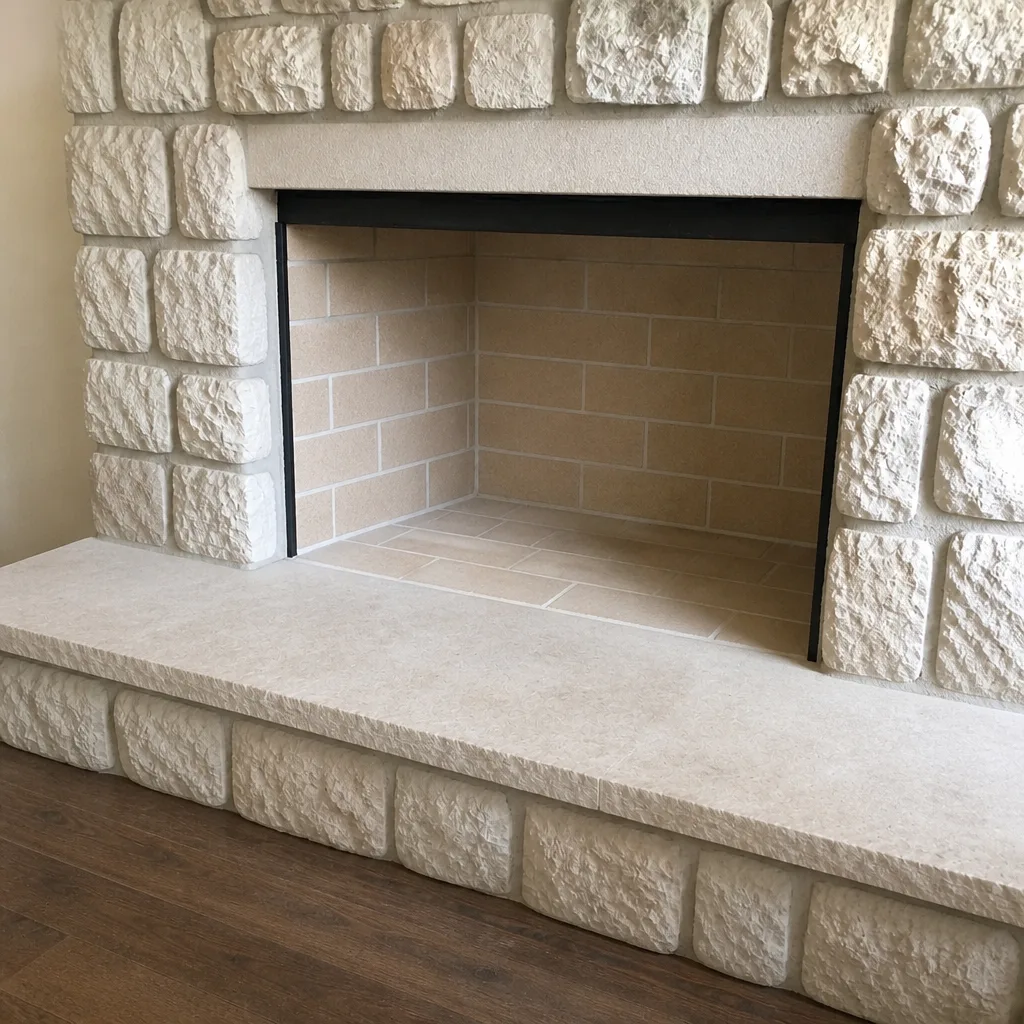
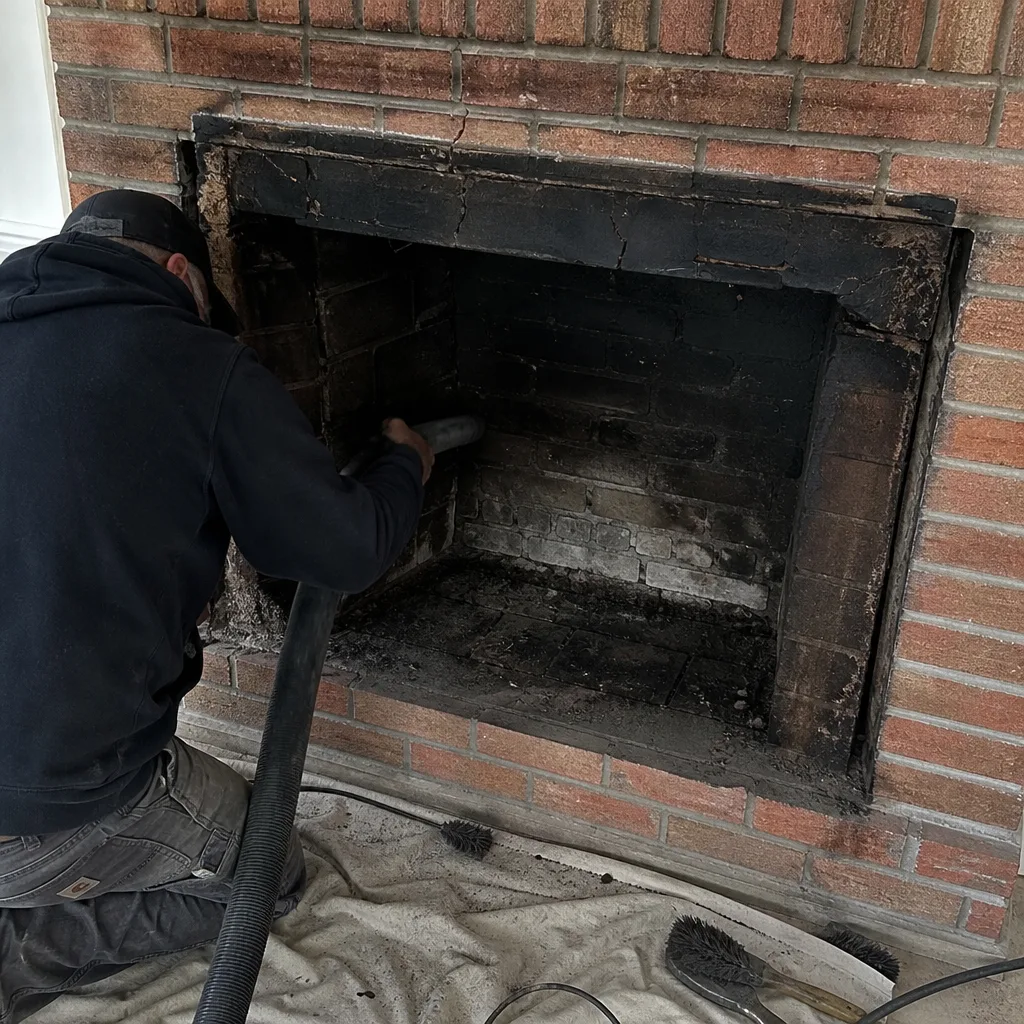
See the difference
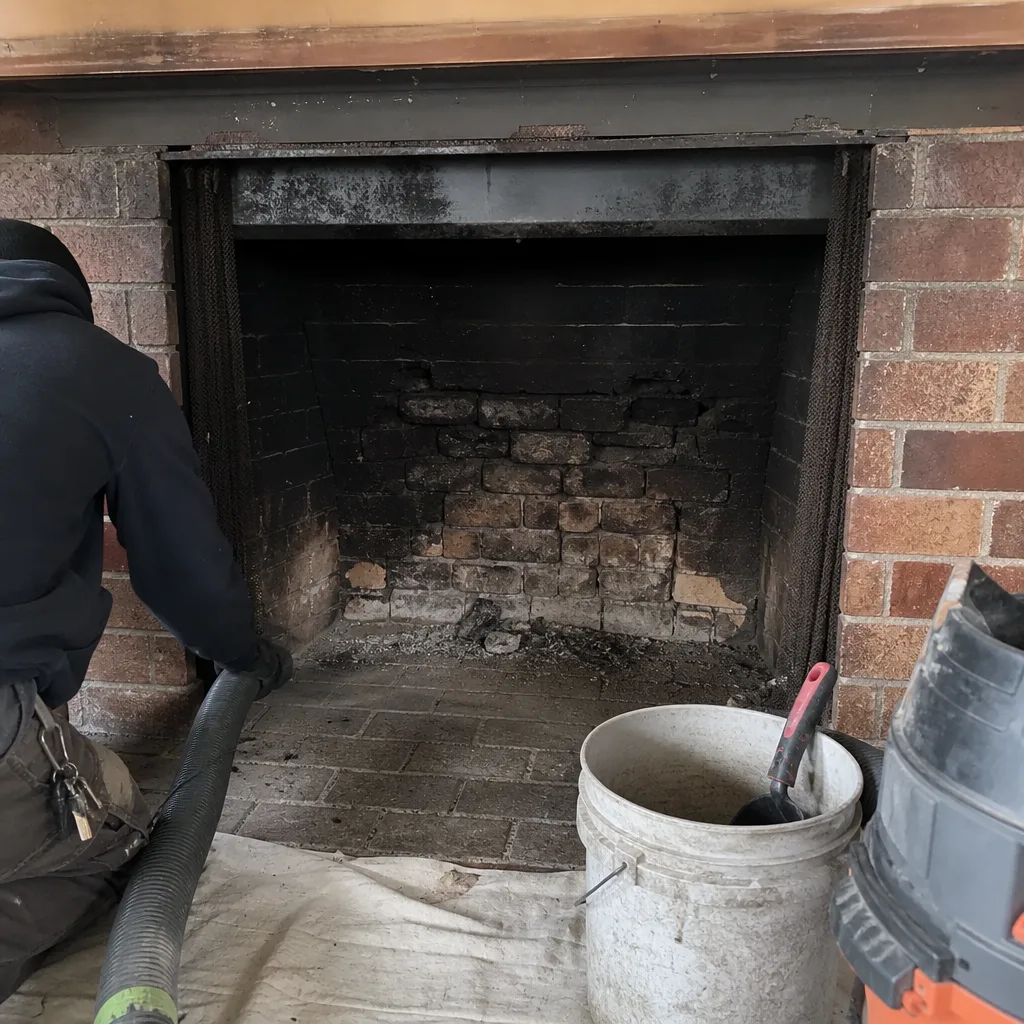 Before
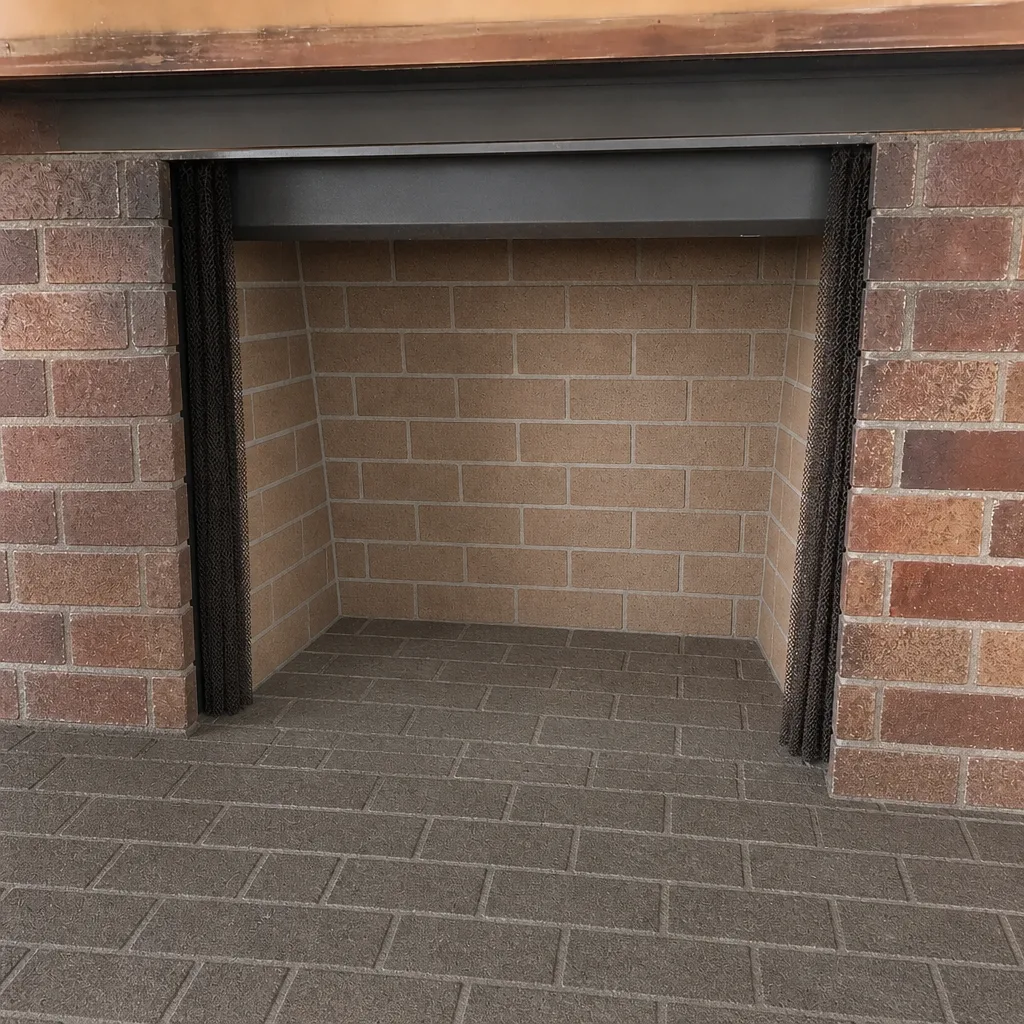 After
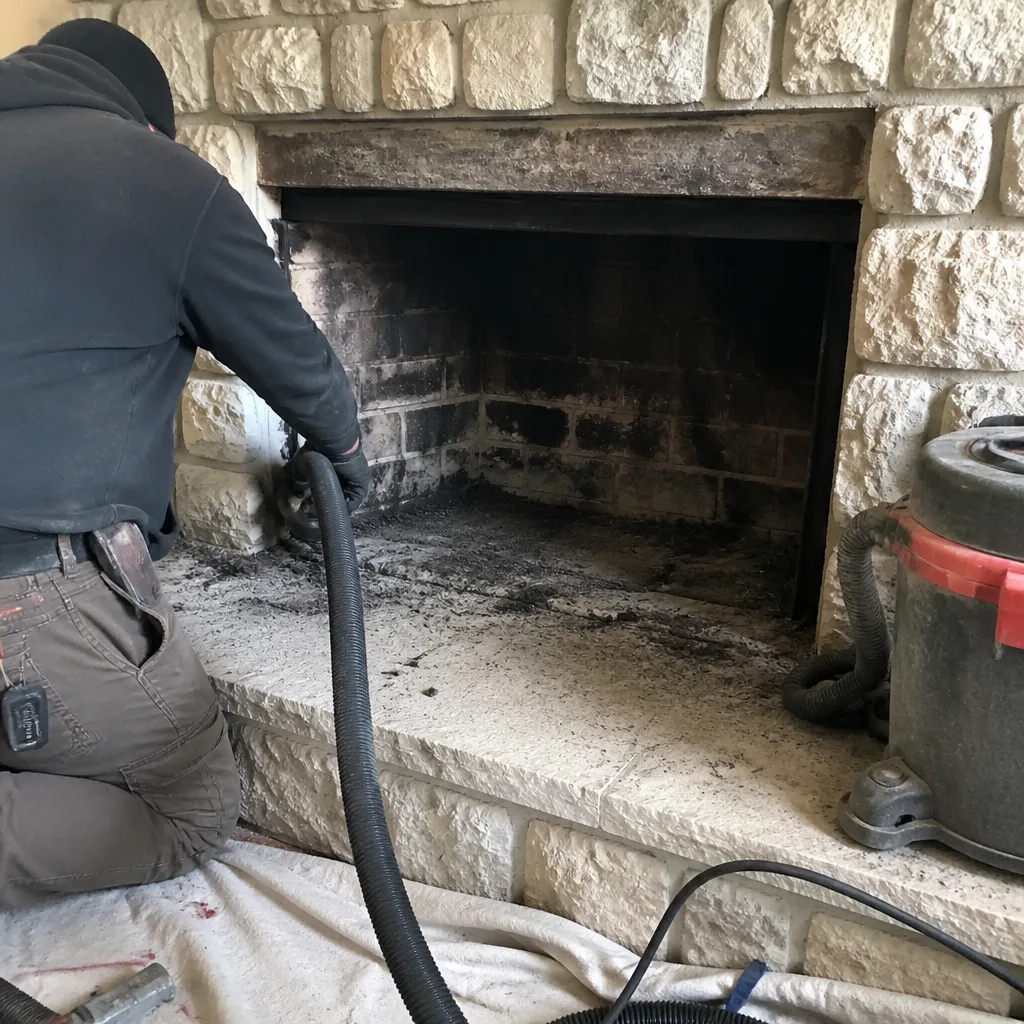 Before
 After
 Before
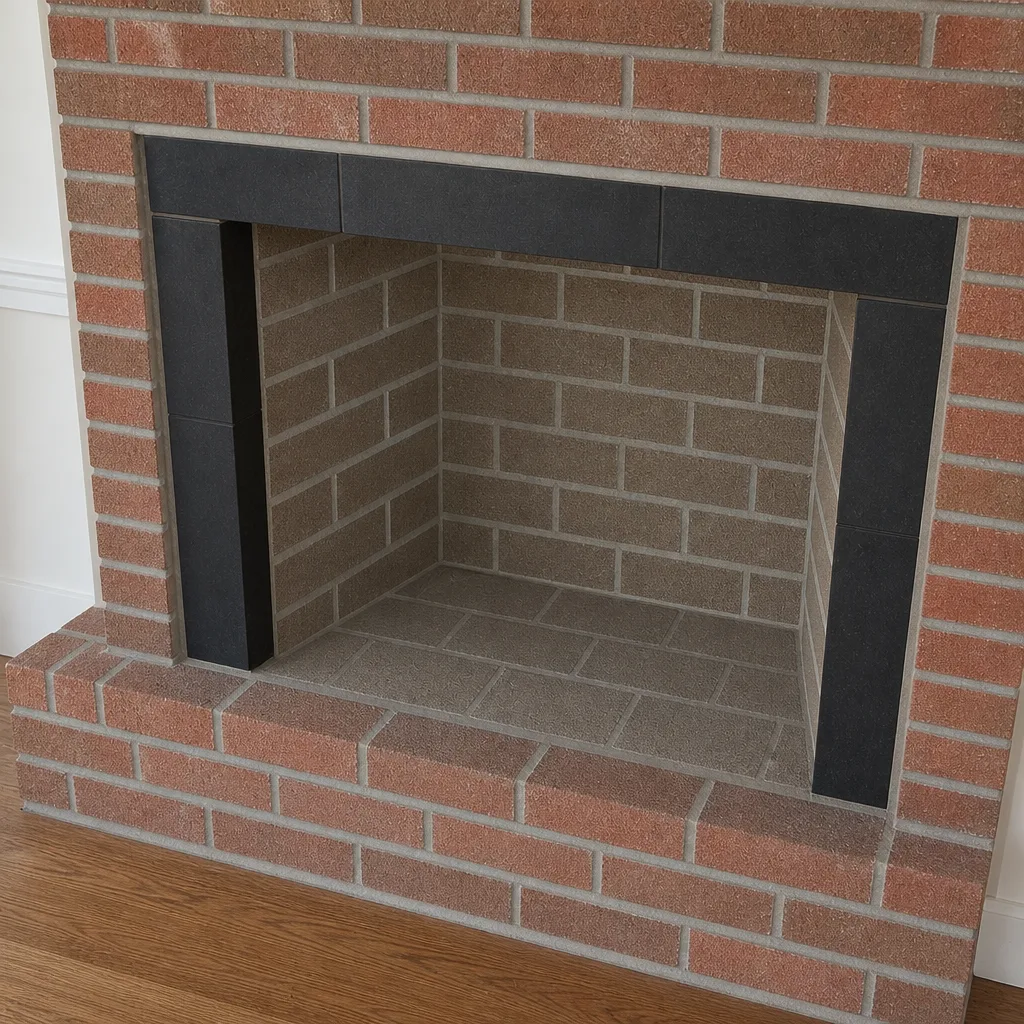 After
When to Call a Professional
Call a professional if you’ve burned a full season without a sweep, if you’ve had a chimney fire (even a small one you didn’t report), if you’re seeing smoke spill into the room, if you’ve noticed water staining or crumbling masonry outside, or if the property is changing hands. Call also if you have a gas insert or a furnace flue that hasn’t been looked at in more than a year. Bellmont Chimney Sweep offers free estimates in Spokane Valley and we can walk through what a sweep-and-inspect visit looks like on your chimney. Call (844) 734-4138. We answer 24/7. Fast dispatch from 7am to 7pm, Sunday through Friday.
Frequently Asked Questions
Chimney cleaning in Spokane Valley is priced per job rather than as a flat fee, because two chimneys of the same height can need very different amounts of work depending on the fuel type, creosote grade, and whether the inspection turns anything up. The written estimate you receive after the technician evaluates the chimney is the number that stands. Call (844) 734-4138 for an exact quote. Estimates are free.
Annual inspection is the baseline for every chimney, and cleaning happens when the inspection shows it’s needed. For a Spokane Valley home burning pine or fir heavily through a cold season, the sweep itself may be needed more often than once a year, so schedule based on burn hours and wood quality rather than a rigid calendar.
A liner is required when the existing flue can’t safely contain what the appliance sends up it, and that’s determined by inspection, not by habit. A cracked clay tile flue in an older Spokane Valley chimney is the common case. A Level 2 video inspection shows whether relining or resurfacing is appropriate. Call (844) 734-4138 and we can talk through what the inspection should check for.
A Level 1 is the routine annual check of the readily accessible portions of the chimney. A Level 2 uses video scanning to look inside the flue and is triggered by a change of fuel or appliance, a chimney fire, a structural event, or a real-estate transaction. If you’re told you need a Level 2, ask what triggered it. There should be a clear reason.
Sweeping is a physical job that can be done by a homeowner, but the inspection step is what a professional visit adds, and it can’t be replicated with a brush from the hardware store. A homeowner who sweeps well and skips the inspection has done half the job and may not know it. Call (844) 734-4138 to book an inspection alongside the sweep.
You get a cleaner flue with an unknown liner condition. That’s fine until the liner is the thing that fails. Skipping the inspection is the single most common way a homeowner ends up with a chimney fire that a proper check would have caught earlier.
The Bottom Line
Cleaning is step one. Inspection is step two. Repair, when it’s needed, is step three, and it should be supported by what the inspection actually found. In Spokane Valley, the local climate and firewood supply make that sequence matter more than it does in mild-weather markets, because creosote stages up faster here and older masonry liners are on the table more often. If you take nothing else from this guide, take the sequence: sweep, inspect, and only then repair. Anything else is guesswork on a system that doesn’t reward guesswork.
Written by the team at Bellmont Chimney Sweep.