
Last updated November 15, 2026
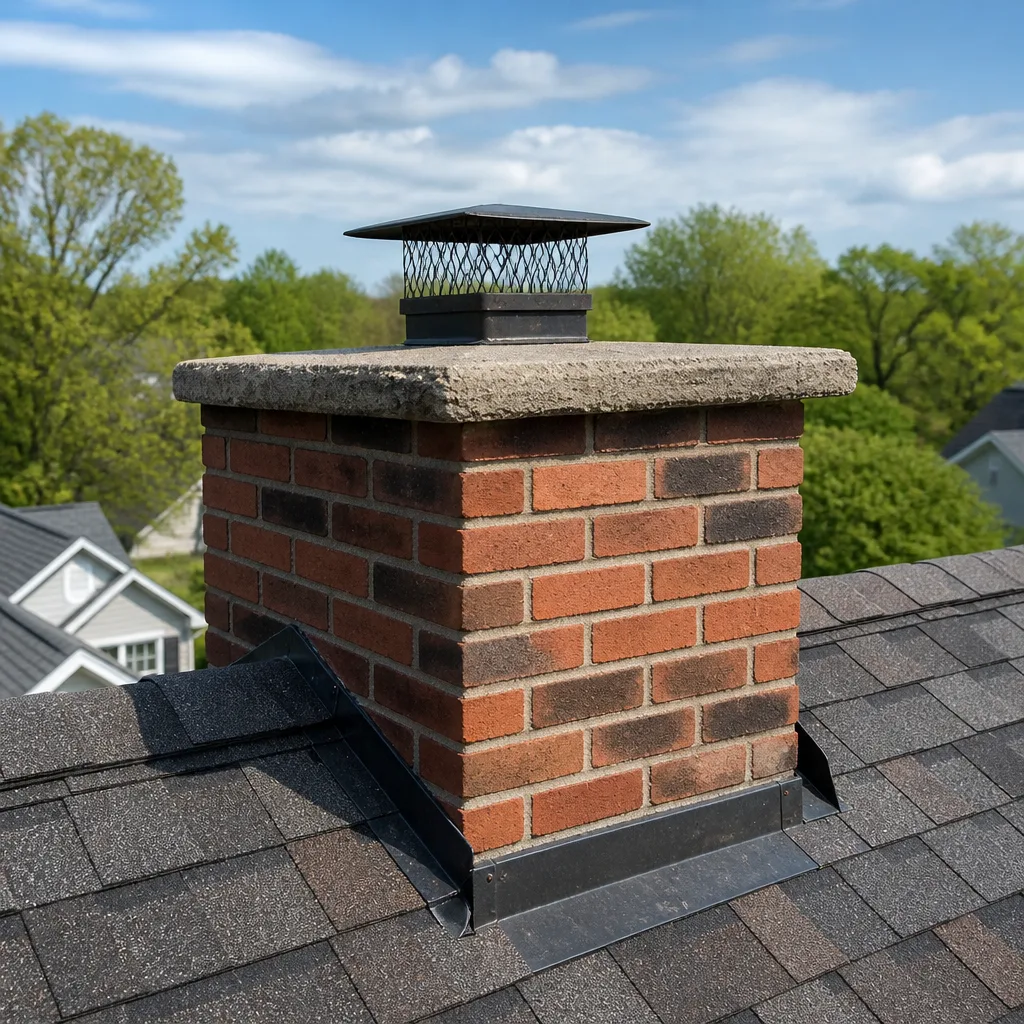 Sweep & inspection
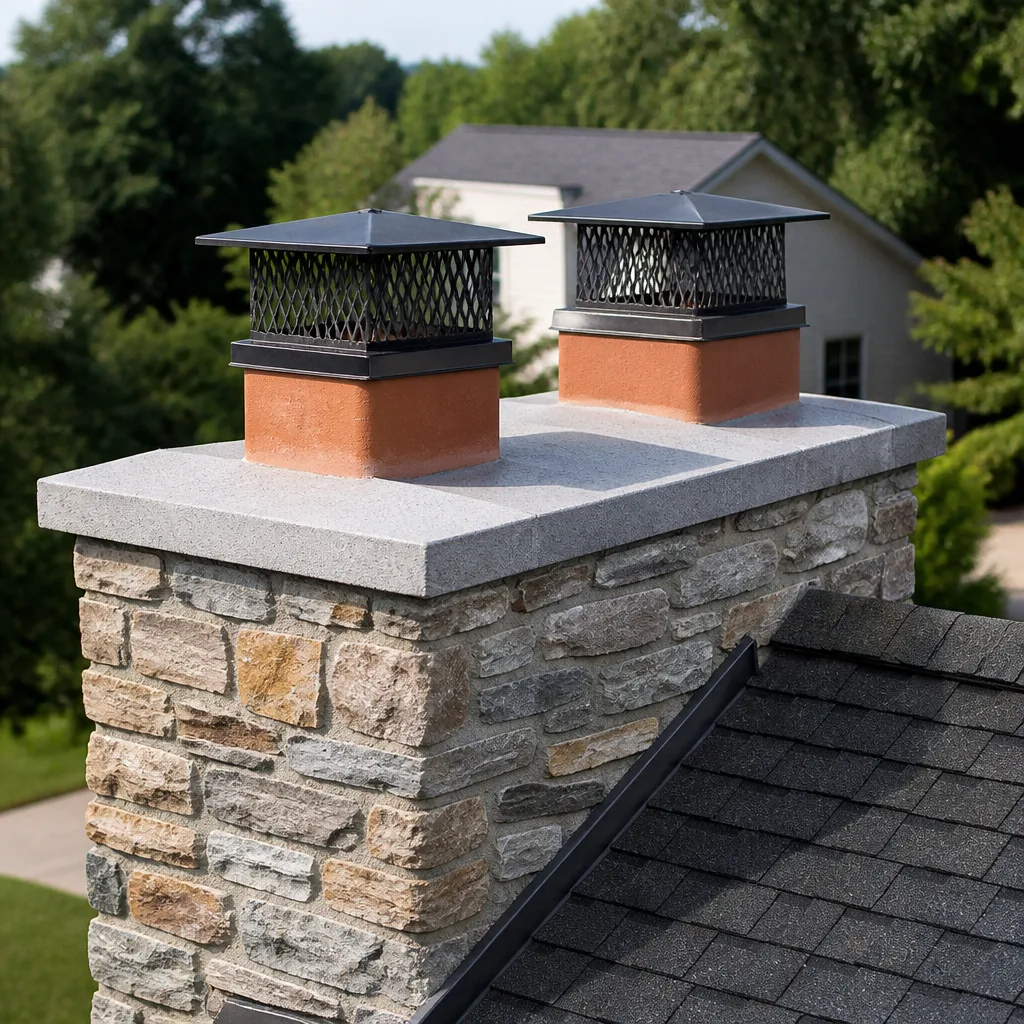 Caps & crowns
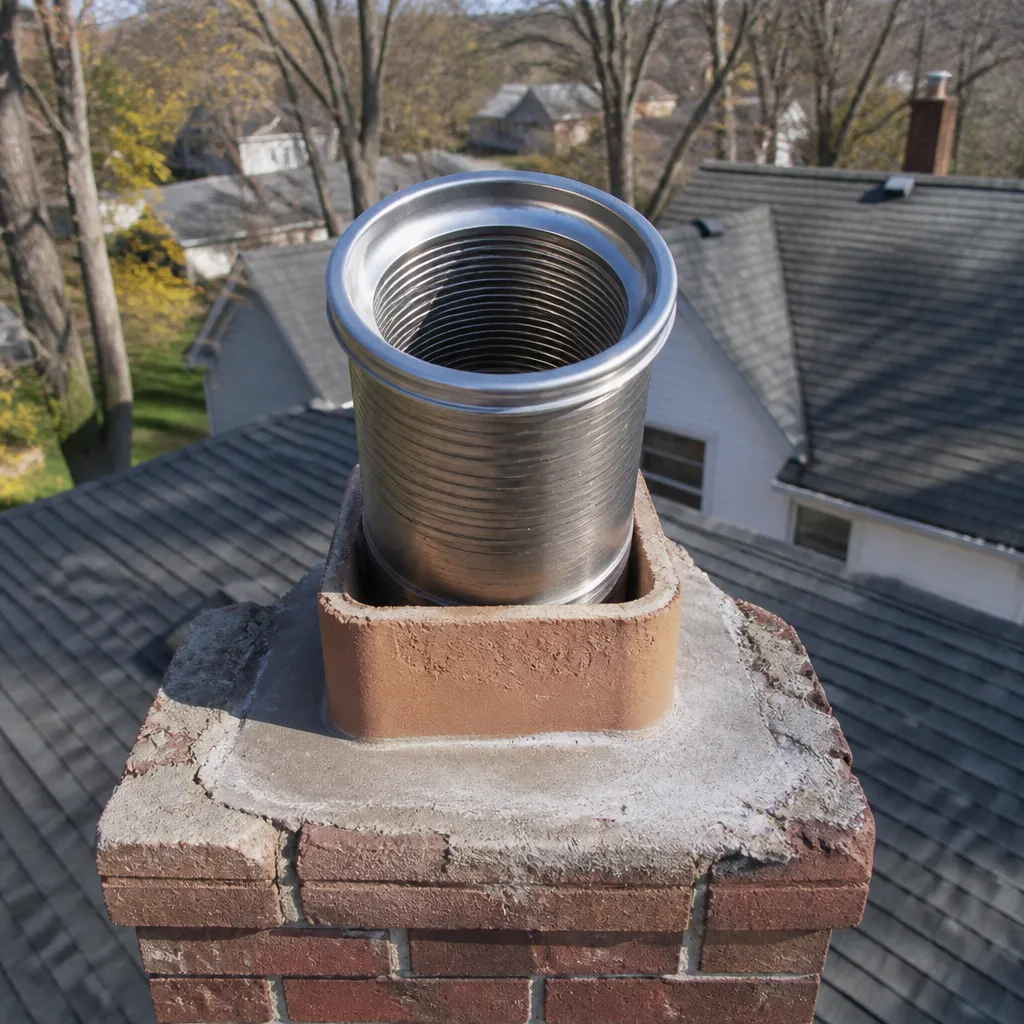 Flue relining
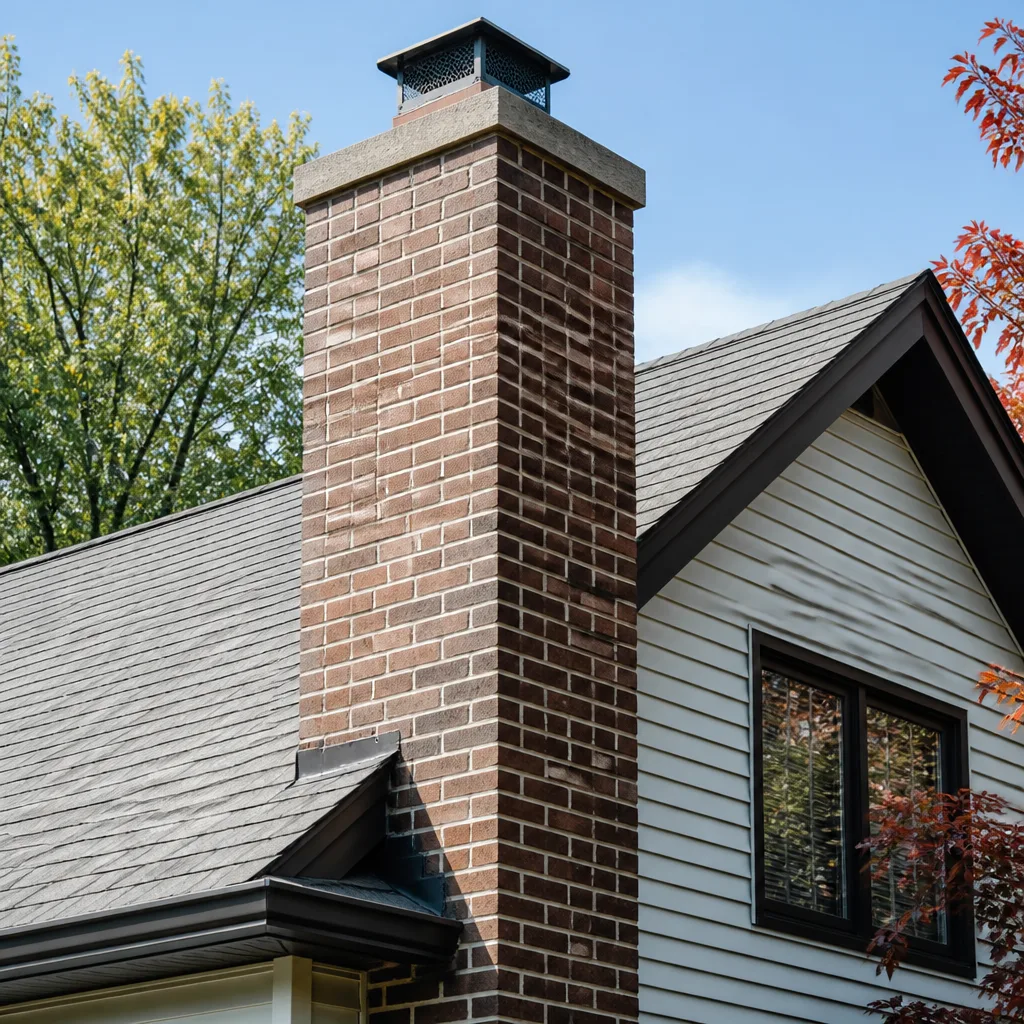 Masonry repair
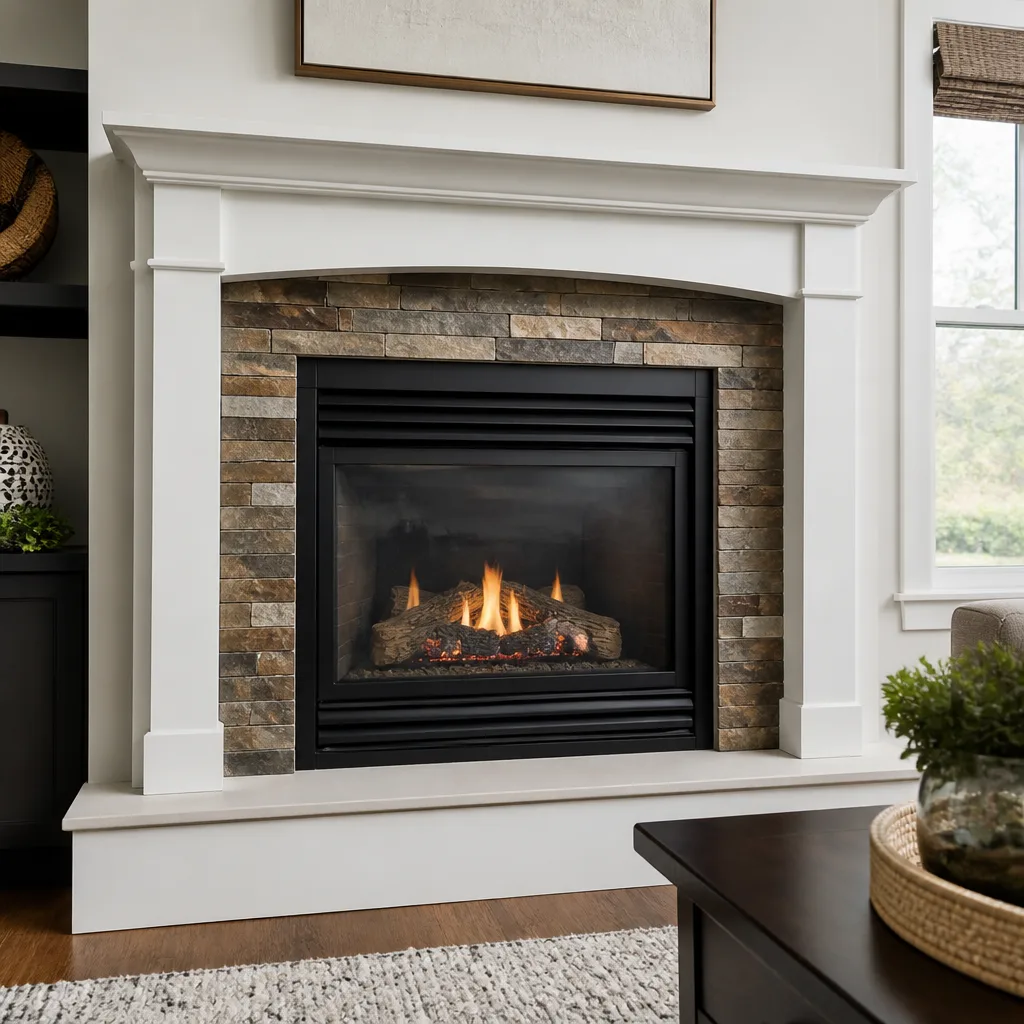 Gas fireplace service
Level 1 sweep and inspection to the NFPA 211 annual standard - flue, crown, cap, and flashing checked and photographed
Chimney sweep logs do not sweep chimneys. They loosen some creosote - which then falls where a brush and vacuum still have to collect it.
Chimney Sweep Troubleshooting in Spokane Valley: Common Problems and How to Fix Them
Smoke rolling into your living room feels like a cleaning problem. Most of the time it isn’t. If you light a fire in Spokane Valley and the draft stalls, the smoke backs up, or the smell lingers days after the ashes cool, the cause is usually structural or pressure-related, not a flue packed with soot. Reach for the brush first and you’ll spend money without fixing anything. This guide maps the symptom you can actually see or smell to the mechanical failure behind it, so you know what you’re dealing with before anyone picks up a tool. We’ll cover draft problems, smoke chamber geometry, negative pressure, creosote restriction, and the point where a camera inspection beats guesswork.
Quick Answer
Most chimney problems in Spokane Valley trace back to four causes: creosote and soot restriction, a failed damper or smoke shelf, negative air pressure inside a tightly sealed home, or cracked masonry in the smoke chamber and flue. A proper diagnosis means telling these apart before scheduling a sweep, because a cleaning fixes only the first one. When smoke, odor, or draft problems persist after cleaning, the next step is a Level 2 inspection with camera equipment to see the flue interior and smoke chamber directly.
Styles & brands we work with
- Sweep & inspection
- Caps & crowns
- Flue relining
- Masonry repair
- Gas fireplace service
Table of Contents
- Symptom-to-Cause: What Each Problem Is Really Telling You
- The Newspaper Flame Test: Creosote or Draft Pressure?
- Why Spokane Valley Homes Get Chimney Backdraft
- The Smoke Chamber and Smoke Shelf: The Component Most Guides Skip
- Creosote Stages and What They Mean for Your Flue
- Visible Cracking: Where to Look and What It Signals
- DIY-Diagnosable vs. Level 2 Inspection Required
- Repair Options: Relining, Resurfacing, and Cap Work
Symptom-to-Cause: What Each Problem Is Really Telling You
Chimney troubleshooting starts with reading the symptom correctly. Homeowners tend to lump every problem under “the chimney needs cleaning,” but each observable sign points to a different part of the system. Getting the diagnosis right saves you from paying twice for the wrong job.
- Smoke rolling back into the room when you first light the fire: This is usually cold-flue or pressure related, not a soot restriction. The flue hasn’t warmed enough to establish draft, or household pressure is pushing air down the chimney.
- Smoke spilling continuously once the fire is going strong: That points to a flue that’s undersized for the appliance, an obstruction like a bird nest or fallen masonry, or a badly damaged smoke chamber.
- Slow, lazy draft with a weak flame: A partially blocked flue screen, a closed or broken damper, or a flue that’s too large for the firebox. Draft slows before it fails.
- Persistent smoky odor, especially on warm, still days: Creosote in the flue releasing gases when the chimney isn’t in use, or backdraft pushing air down. Odor without a fire is a pressure or buildup symptom.
- Visible cracking on the firebox, smoke chamber, or crown: Structural. Cracks let gases and heat into places they shouldn’t be and change how the chimney drafts.
- Water staining, rust on the damper, or a crumbling crown: Moisture intrusion. On Spokane Valley’s freeze-thaw swings in winter, small cracks open wider as water freezes inside them.
Each of these needs a different response. A sweep clears creosote and soot. A draft or pressure problem needs the smoke chamber and house pressure evaluated. A structural crack needs repair, resurfacing, or relining. When we inspect before we recommend, we’re making sure the fix matches the cause instead of defaulting to a cleaning that won’t help.
The Newspaper Flame Test: Creosote or Draft Pressure?
You can narrow the diagnosis before you call anyone with a simple test that uses nothing but a rolled newspaper and a match. It’s a reasonable and safe way to tell a creosote restriction apart from a draft or pressure problem. It’s not a substitute for an inspection, but it tells you which problem you probably have.
How to run the test
- Make sure the firebox is cold and there are no ashes still warm. Open the damper fully.
- Roll a sheet of newspaper into a loose tube and light one end.
- Hold the burning paper near the open damper, inside the firebox. Watch which way the smoke goes.
- If the smoke and flame pull straight up and the flue “catches,” the draft is healthy.
- If the smoke rolls out into the room, or the flame is lazy and the smoke hovers, the draft is failing.
Reading the result
If the newspaper test shows a strong upward draft, your flue is likely drawing fine and the problem is more likely a buildup of creosote or a restriction deeper in. If the smoke rolls forward and won’t go up, the flue is failing to establish draft. That’s a pressure or geometry issue, and cleaning it won’t help, because there’s nothing blocking the air; the air is moving the wrong way. A smoky house with a healthy draft test usually points to the appliance or the house pressure. A smoky house with a failing draft test points to the chimney system itself. On Spokane Valley’s cold mornings, a cold flue commonly fails this test until it’s warmed, so run the test with a bit of kindling first to see if the draft establishes once the flue warms. If it never catches, that’s the answer you need.
Why Spokane Valley Homes Get Chimney Backdraft
A chimney drafts because the air inside the flue is warmer and more buoyant than the outside air, and because the house is pulling combustion air in through the chimney. If the house is sealed tightly and something else is pulling air out, the chimney becomes a return-air path and smoke gets pushed down or held back. This is negative pressure, and it’s one of the most misdiagnosed symptoms in Spokane Valley, where homes are built tight for our cold winters. A house with new windows, dense insulation, and a strong exhaust fan can starve the chimney of the make-up air it needs to draft.
Knowing the signs helps you rule it in or out:
- The chimney works fine on mild days but backdrafts on cold, windy days or when the wind hits a particular side of the house.
- Smoke pushes into the room when the kitchen or bath exhaust fan runs.
- The fireplace drafts fine with a window cracked open and fails when the house is buttoned up.
- Smoke backdrafts at startup then clears once the fire is hot.
A cleaning won’t fix any of these. What helps is restoring combustion air, fixing the pressure balance, and verifying the flue cap and chimney height aren’t causing a downwind problem. On colder Spokane Valley evenings, the temperature difference across the chimney is bigger, and that can make a marginal draft fail entirely. We start by confirming the flue is actually clear, then look at the house and the top of the chimney, because pushing a brush down a chimney with a pressure problem wastes everyone’s time. If your home is tight and your fireplace is fussy, this is the conversation to have before you spend money on a sweep.
The Smoke Chamber and Smoke Shelf: The Component Most Guides Skip
Above the firebox, before the smoke reaches the flue, there are two parts most homeowners never hear about: the smoke chamber and the smoke shelf. The smoke chamber is the tapered section that funnels exhaust from the wide firebox up into the narrower flue. The smoke shelf is the flat ledge at the base of the chamber that catches downdrafts and redirects smoke up the flue instead of into the room. If either part is damaged, soot-choked, or built wrong, the chimney can smoke no matter how clean the flue is.
What goes wrong with them:
- A rough or soot-coated smoke shelf: Creosote builds up on the ledge and the bracket of the shelf. Once the surface gets rough, smoke clings and the draft stalls.
- Cracked or crumbling chamber walls: Masonry parging can spall over decades. Hot gases escape through cracks and the pressure geometry of the chamber changes.
- An improperly sized chamber: If the chamber is too wide or the wrong shape, the transition from firebox to flue doesn’t accelerate the smoke, and it backs up.
- Missing or damaged dampers: A damper that doesn’t open fully or no longer seals at the top changes how the chamber performs.
This is where a camera inspection earns its keep. You can’t see the smoke chamber accurately from the firebox, and you can’t see it from the roof either. Our inspections use a camera to look directly at the chamber, the shelf, and the transition to the flue. When resurfacing is the right fix, we apply HeatShield, a product designed to restore the smoke chamber and flue surfaces to a smooth, sound condition rather than leaving them rough and smoke-catching. Repairing the chamber without addressing a cracked flue is a job half done, so we look at both before recommending anything.
Creosote Stages and What They Mean for Your Flue
Creosote isn’t one substance. It forms in stages, and the stage matters far more than the amount. Recognizing the stage tells you what kind of cleaning and what kind of follow-up your flue needs, and it’s one of the reasons a sweep isn’t a one-size-fits-all visit.
- Stage 1: light soot and flaky ash. This is normal and comes off with a standard sweep. It’s the residue of regular fires at good temperatures.
- Stage 2: crusty, flaky deposits that cling. Heavier. It needs a more aggressive sweep with the right brush and it signals that fires are being burned cooler or wetter than they should be.
- Stage 3: glazed, hard-baked creosote. This is the dangerous stage. It’s tough, glossy, and resists standard brushes. Glazed creosote is flammable, and it’s also a sign that the flue interior needs to be cleaned with specialized tools, not just a standard sweep.
Wood-burning households in Spokane Valley tend to see creosote accumulate through the heating season because our winters are long and the chimney stays in use for months. That makes the spring sweep before the next burning season the smart timing. Burn dry, seasoned wood, and don’t smolder fires with the damper closed partway for hours. If you’ve been doing that, expect thicker deposits. Glazed creosote that won’t come clean with a standard sweep can mean the flue needs resurfacing or, in some cases, relining. DuraFlex liner systems are what we install when the flue surface can’t be restored to a safe, smooth condition. The important thing: creosote isn’t just a cleaning chore, it’s the leading cause of chimney fires, and the glazed stage is the one to take seriously.
Visible Cracking: Where to Look and What It Signals
Cracking is a structural symptom, and where you find it tells you which part of the chimney is in trouble. Because Spokane Valley gets hard freezes and thaws through winter, cracks that start small can open up as water gets in and freezes. A crack you can see from outside is the starting point, not the whole story.
- Cracks on the firebox: Firebox cracks let heat and gases reach the masonry behind the liner. This is not cosmetic; a patched firebox should be evaluated by a specialist before the next fire.
- Cracks in the smoke chamber above the damper: These change how the chimney drafts and should be seen with a camera, not rated from the firebox.
- Crumbling or spalling brick on the chimney exterior: Often water damage from a failing crown or cap, and often the same fault that’s letting moisture into the flue.
- A loose, cracked, or missing crown: The crown sheds water away from the masonry. When it fails, water gets into the chimney and freeze-thaw does the rest.
- Rust or water stains on the damper and firebox: Water is getting in from above. That’s a cap, crown, or flashing problem, not a cleaning one.
A cracked flue is more than a leak. When the flue lining is compromised, heat and carbon monoxide can move into surrounding building materials. That’s a genuine safety issue, and it’s the reason we recommend a proper inspection rather than a visual glance. If the cracks are in the flue lining itself, the fix is generally relining with a system like DuraFlex or resurfacing with HeatShield, chosen to match the flue’s shape and condition. We never recommend a reline without a camera view of what the flue actually looks like, because the repair has to fit the real crack pattern, not a guess.
DIY-Diagnosable vs. Level 2 Inspection Required
Some chimney troubleshooting you can do safely yourself. Some you should not, and knowing the difference keeps you out of a situation that can cause serious injury. Anything involving the flue interior, the smoke chamber, or the roof top should be left to a trained professional with the right equipment.
What you can reasonably check yourself
- The damper opens, closes, and seats properly.
- The firebox is free of obvious loose masonry.
- The exterior chimney and crown look intact from ground level.
- The chimney cap and screen are present and not visibly damaged.
- The newspaper flame test to see if draft establishes.
- Whether the smell or smoke problem changes when you open a window or run an exhaust fan.
What requires a Level 2 inspection
A Level 2 inspection uses camera equipment to look inside the flue, at the smoke chamber, and at the connections to the appliance. It’s the only way to see the things you can’t see from the firebox or the roof, like a cracked flue liner, an offset or dropped section, a damaged smoke shelf, or a faulty chamber wall. If you’ve moved into a new house in Spokane Valley, changed your appliance, or had a chimney fire, a Level 2 inspection is the right next step. Camera inspections are the reason we can say a problem can wait when it can. We don’t recommend repair without the evidence, and the camera report is what lets a homeowner make the decision with confidence. If it shows something that can safely wait, we say so.
Repair Options: Relining, Resurfacing, and Cap Work
Once you know what’s wrong, the repair options generally sort into a few categories. The right one depends on the flue’s condition rather than its age, and the decision belongs to the camera view, not to a default answer.
- Resurfacing the smoke chamber and flue: HeatShield is used when the flue surface is rough, pitted, or slightly cracked but structurally sound. It restores a smooth surface so smoke drafts cleanly and creosote deposits are easier to manage.
- Full relining: DuraFlex liner systems are for flues that can’t be resurfaced, are the wrong size, or show enough damage that a new liner is the lasting fix. This covers the flue from top to bottom.
- Cap, crown, and chase work: Gelco products cover caps, chase covers, and venting components. If water is getting in from above, fixing the crown and cap protects the masonry and the flue.
- Chamber and firebox repair: Masonry repair addresses the structure that holds the flue system together.
We use professional-grade materials from brands like DuraFlex, HeatShield, Gelco, and Olympia Chimney because they’re what trained chimney specialists specify for restoration work. That’s a different standard than generic hardware-store cement and paint. And because a single company handles the sweep, the inspection, and the repair, there’s no handoff between a sweep who diagnoses a problem and a repair contractor who fixes it. From sweep to repair, it’s handled by the same team. If you’re in Spokane Valley and want your chimney looked at by people who can see the whole system, start with a chimney sweep and let the inspection guide the next step.
Common Mistakes to Avoid
- Assuming every smoke problem is a cleaning problem. As the symptom map shows, backdraft and smoke chamber damage cause more chimney smoking than a dirty flue does. Cleaning a flue that’s already clear spends money without fixing anything.
- Burning wet or unseasoned firewood. Wet wood deposits far more creosote at every stage, and in a Spokane Valley winter with months of burning, that adds up quickly. Burn seasoned wood, and keep it covered.
- Smoldering fires with the damper shut partway. Long, cool, smoky burns are the biggest driver of glazed creosote. A hot fire burns cleaner.
- Calling a handyman for chimney repair. Chimney work needs the right materials and the right diagnostic tools. A general handyman sweeping a flue or patching a smoke chamber can leave you with a bigger problem.
- Ignoring water in the chimney. Water stains, rust, and a crumbling crown are early signs. Left alone, Spokane Valley freeze-thaw turns a small crown crack into a masonry rebuild.
- Skipping the camera inspection when a problem persists. If you’ve had a sweep and the problem is still there, the answer is in the smoke chamber or the flue lining, and only a Level 2 inspection will find it.
- Waiting until the first cold snap to book a sweep. If your draft is marginal, the first cold evening will test it. Get the chimney checked before burning season starts, not after the smoke starts rolling.
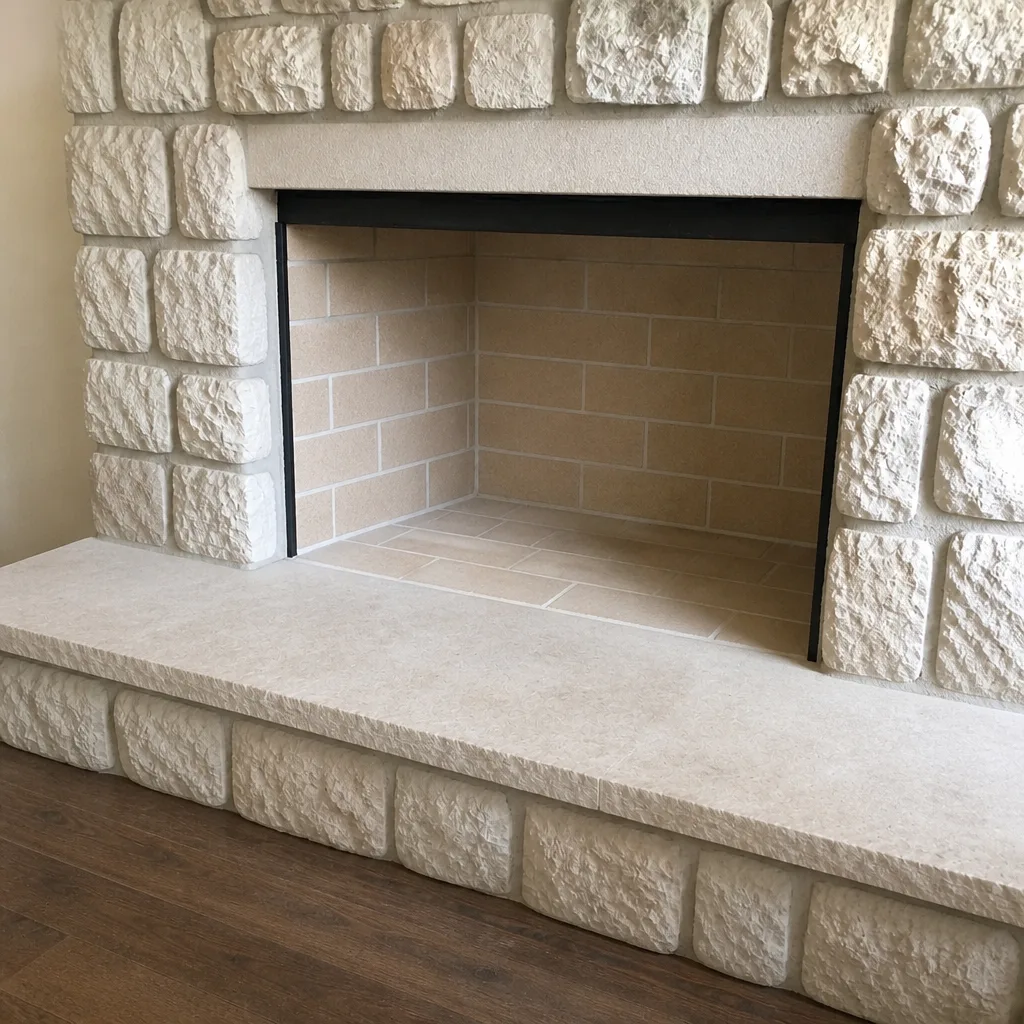
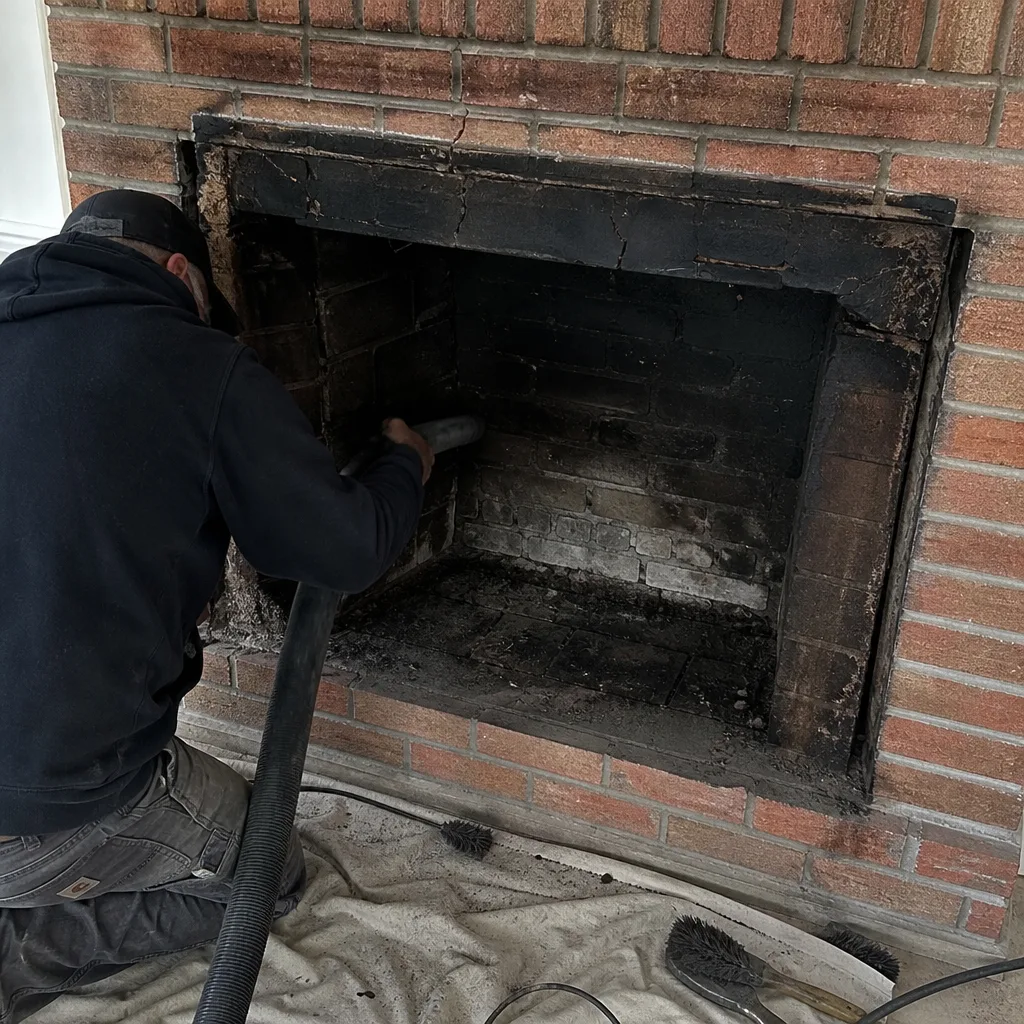
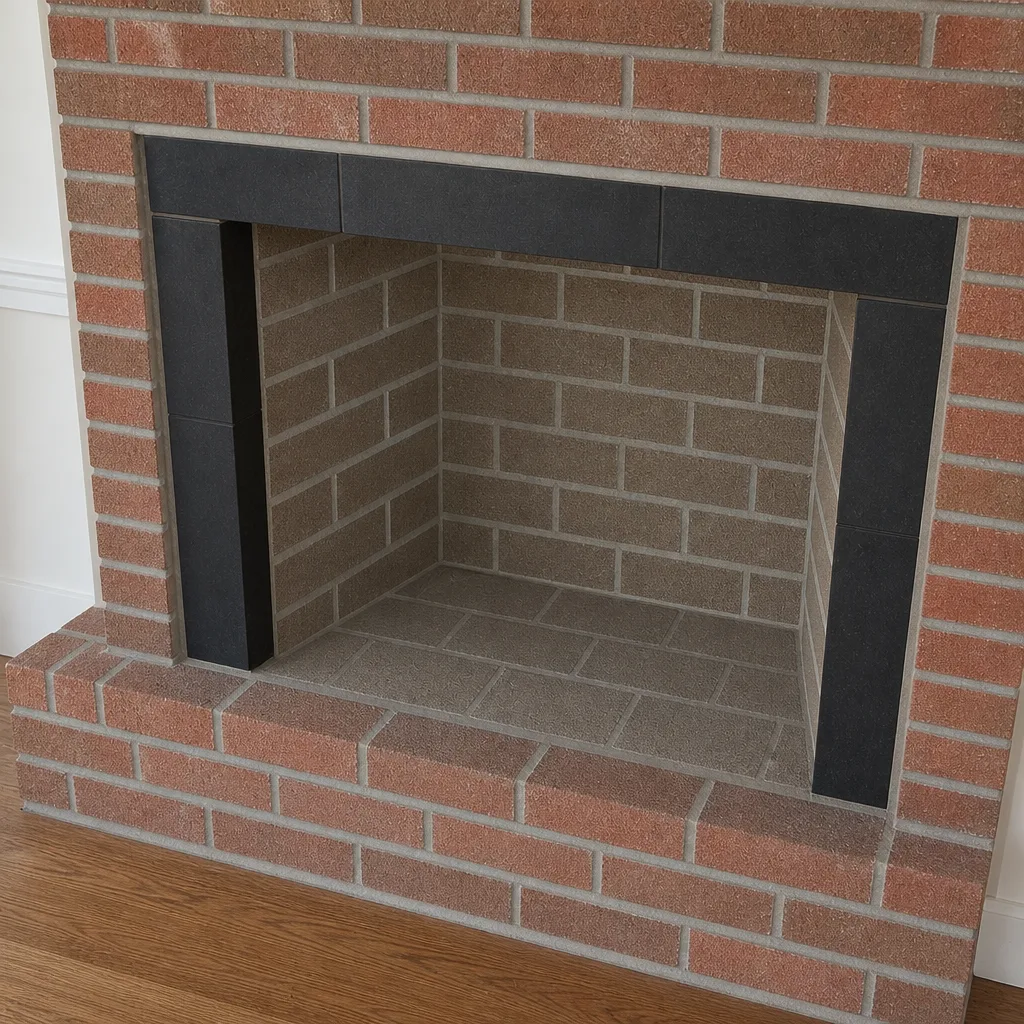
See the difference
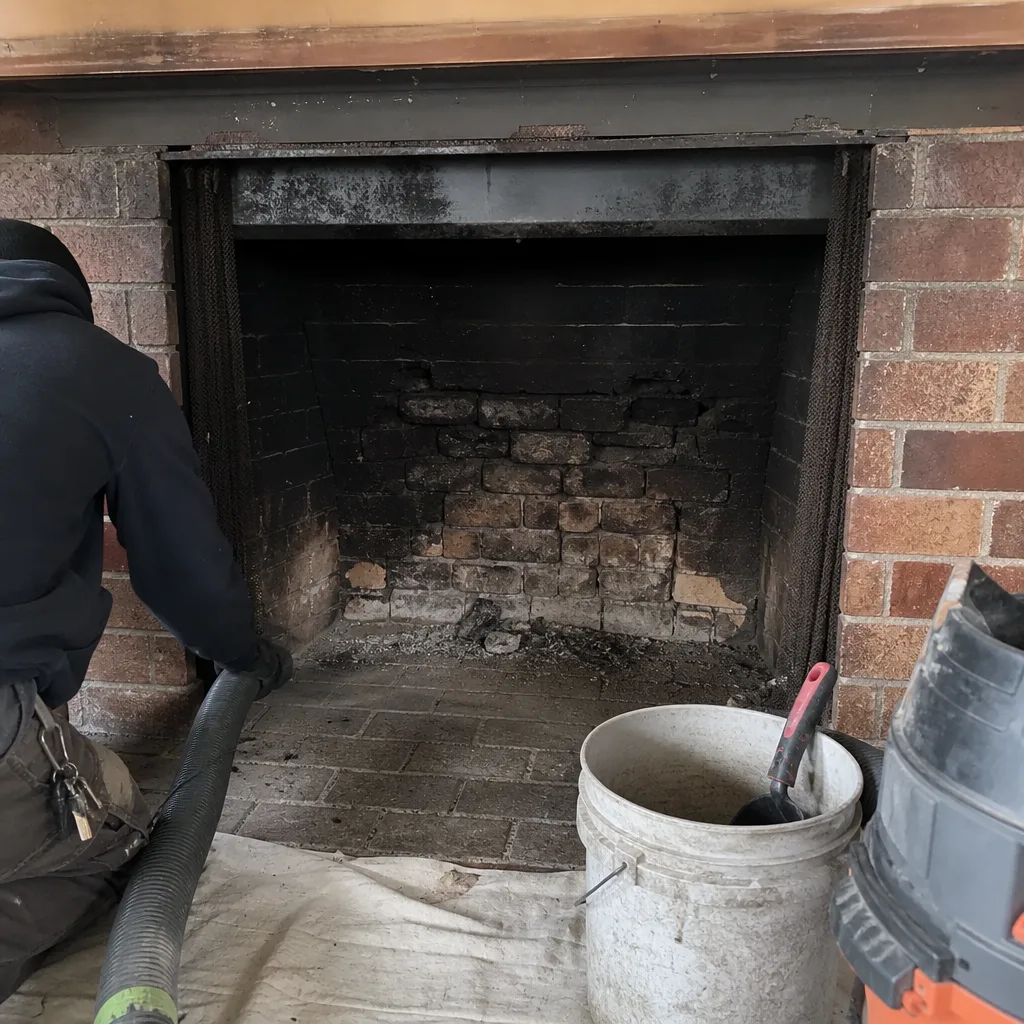 Before
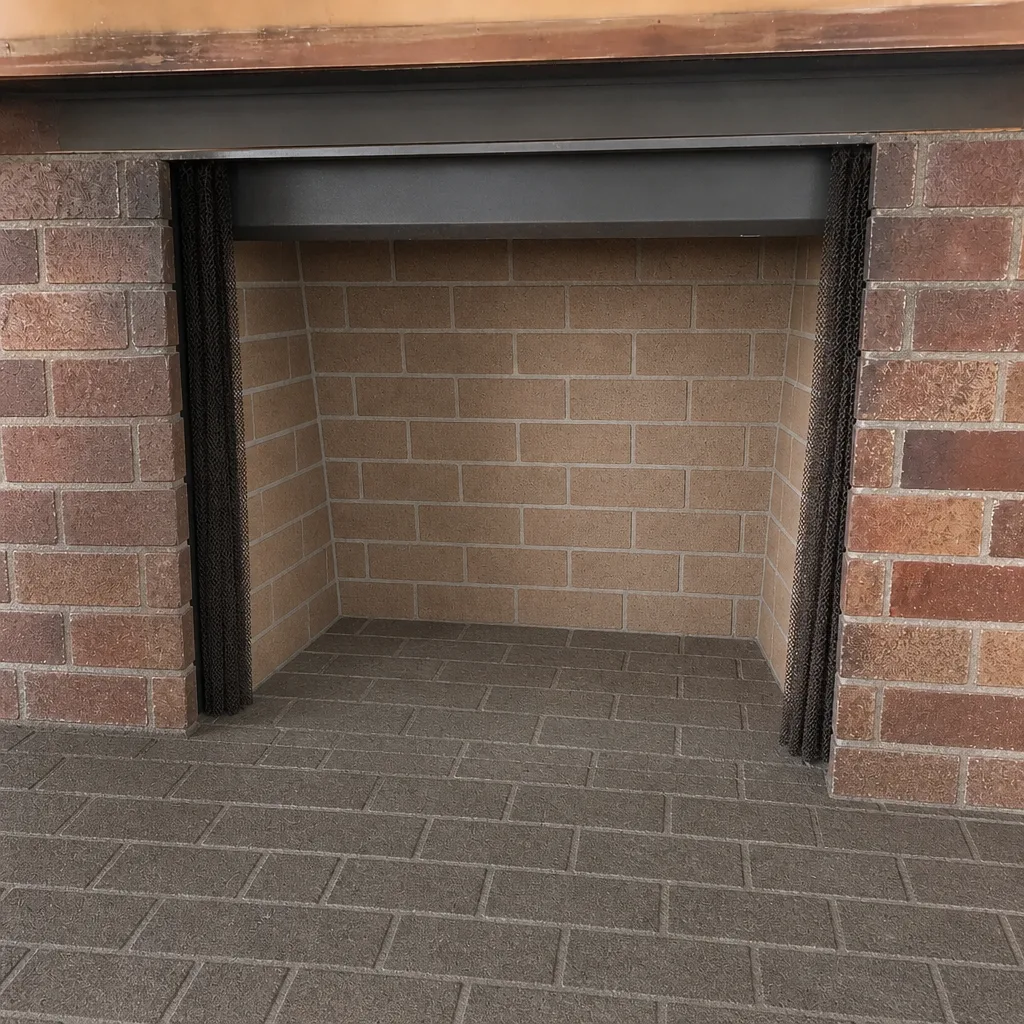 After
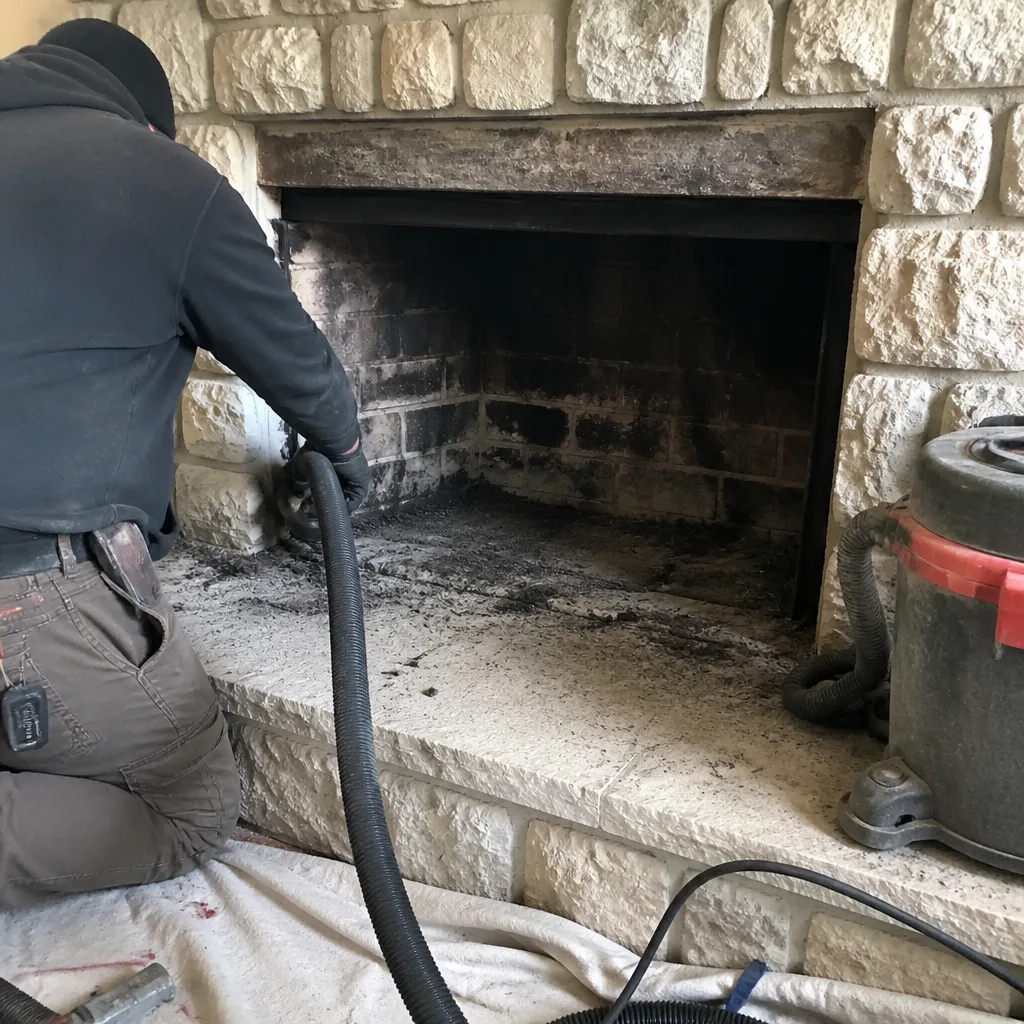 Before
 After
 Before
 After
When to Call a Professional
Some symptoms you can chase yourself. Others you shouldn’t. Call a professional if the newspaper flame test won’t establish draft and you can’t find a pressure cause, if you can see cracks in the firebox or smoke chamber, if there’s water in the chimney, or if anything about the flue interior is unknown to you. Call us if a chimney fire, roof leak, or collapsed flue is suspected, or if you’ve just moved into a house in Spokane Valley and the chimney’s history is a mystery. Bellmont Chimney Sweep offers free estimates in Spokane Valley, so there’s no cost to find out what’s actually going on. Call (844) 734-4138. We answer 24/7. Fast dispatch from 7am to 7pm, Sunday through Friday. Our technicians have up to 13 years of experience, and they use camera inspections to show you what they find before any repair is recommended.
Frequently Asked Questions
The most common causes are a cold flue that hasn’t established draft, negative air pressure inside a tightly sealed home, a failed damper, or a cracked smoke chamber. Cleaning fixes none of those, so start by checking whether the draft establishes and whether opening a window makes the smoke problem go away. For an exact look at your flue and smoke chamber, call (844) 734-4138 to schedule a camera inspection.
Most wood-burning households should have the chimney swept annually or after about a cord of firewood, whichever comes first. Gas and oil flues need checking too, though the soot deposits are different. Timing the sweep before the burning season means your chimney is clean when the first cold evening tests it. Call (844) 734-4138 to book a sweep before you start burning.
The newspaper flame test is the quickest way to separate the two. If smoke rises cleanly up the chimney, the flue is drawing and the issue is likely creosote or a restriction deeper in. If smoke rolls into the room, you have a draft or pressure problem, and cleaning won’t solve it. Either way, a camera inspection settles it.
Soot and creosote keep building, and glazed creosote at the top stage is flammable, which is how chimney fires start. A small crack or a failing crown lets water in, and Spokane Valley freeze-thaw widens it over the winter. The problem doesn’t stay the same size; it gets bigger, and the repair gets more involved.
In many cases, yes. Resurfacing the flue and smoke chamber with HeatShield and installing a DuraFlex liner system can often restore a damaged flue without a tear-out. The decision depends on what the camera shows, which is why we inspect before we recommend anything.
We serve homeowners throughout Spokane Valley, from the neighborhoods near the river to the edges of the valley. If you’re not sure, give us a call and we’ll confirm. Call (844) 734-4138 for a free estimate.
The Bottom Line
Smoke, odor, and slow draft are symptoms, not diagnoses. In Spokane Valley’s tight homes and cold winters, negative pressure and a rough smoke chamber cause as much trouble as creosote does, and cleaning the wrong problem wastes your money. Read the symptom, run the newspaper test, and know when a Level 2 inspection with a camera is the next step. When you’re ready, Bellmont Chimney Sweep can sweep, inspect, and repair in a single relationship, using professional-grade materials from DuraFlex, HeatShield, Gelco, and Olympia Chimney. Call (844) 734-4138 for a free estimate and a straight answer. We answer 24/7, with fast dispatch from 7am to 7pm, Sunday through Friday. You can also read more about chimney repair and our service across Spokane Valley, and Bellmont Chimney Sweep has the rest of our work if you’d like to know more before calling.
Written by the team at Bellmont Chimney Sweep.